
Reviewed · JEWISH HERITAGE TOURS
Budapest: Jewish Heritage Walking Tour with Historian Guide
Budapest’s Jewish past is written right into the street plan. This 2-hour walk takes you through the Pest-side Jewish district with historian guide Kálmán Dániel, linking buildings to people, laws, hopes, and tragedies. You’ll get a clear, human-sized timeline from the 18th century to the mid-20th century, not just a list of stops.
I love two things in particular: visiting two historical synagogues and standing at Holocaust memorials where the stories are unavoidable. Rumbach Street Synagogue is a highlight for the way architecture and history click together, and the memorial stops help you understand what “survival” meant on the ground.
One possible drawback to plan for: Kazinczy Street Synagogue is temporarily closed for entry, so you only see it from the outside on this tour. Also, the Holocaust portion is serious, so if you prefer purely celebratory tours, this one may feel heavy.
Key things to know before you go
- Small group size (10 max) keeps the pace calm and questions welcome
- Historian-led storytelling connects synagogues, streets, and major historical events
- Rumbach Street Synagogue entry included, so you are not just taking photos outside
- Ghetto Wall Memorial ticket included, plus visits tied to the Carl Lutz story and a Memory Wall
- Kazinczy Street Synagogue entry not included due to restoration, but the stop still matters
Deák Square start: how the tour finds the Jewish District fast
The walk begins at the entrance of the Lutheran church at Deák Square (Deák tér), near the M2 metro entrance. That matters because you’re starting in a practical, central spot, so you can arrive without turning your day into a navigation project.
From the first minutes, the guide sets a mental map. The goal is simple: you want to understand how the Jewish community shaped daily life on the Pest side for a long stretch of time, then how history fractured and rewrote that life in the 20th century. A historian guide helps here because you’re not left guessing what you’re looking at.
After that, the route moves through the Jewish Quarter area and toward the Gozsdu Passage and Gozsdu Udvar area. Even if you’ve walked around Budapest before, this is a different way to read streets. You start noticing who lived where, why certain businesses and community hubs clustered, and what changed when governments and regimes shifted.
More Jewish heritage and synagogue tours in Budapest:
- Budapest Jewish Heritage Memorial Walking Tour & Synagogue Entry
★ 5.0 · 568 reviews - Budapest: Jewish Heritage Guided Tour with Synagogue Ticket
★ 4.8 · 533 reviews - Walking Tour Budapest incl. the Shoes on the Danube Bank
★ 5.0 · 387 reviews
Rumbach Street Synagogue: the building does half the teaching
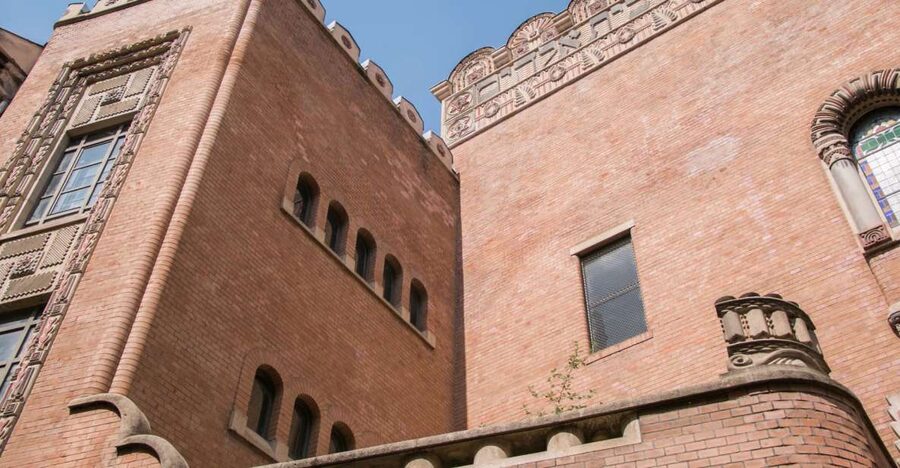
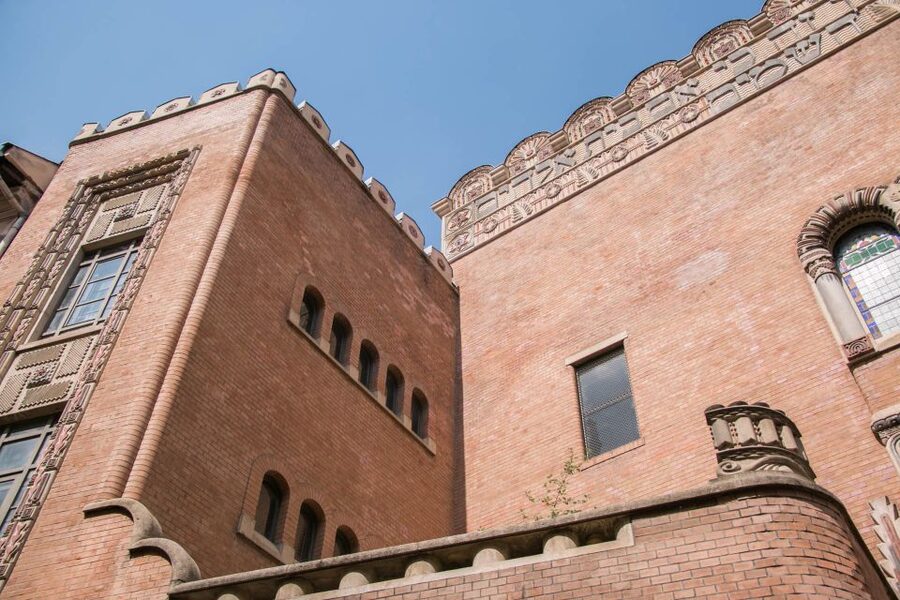
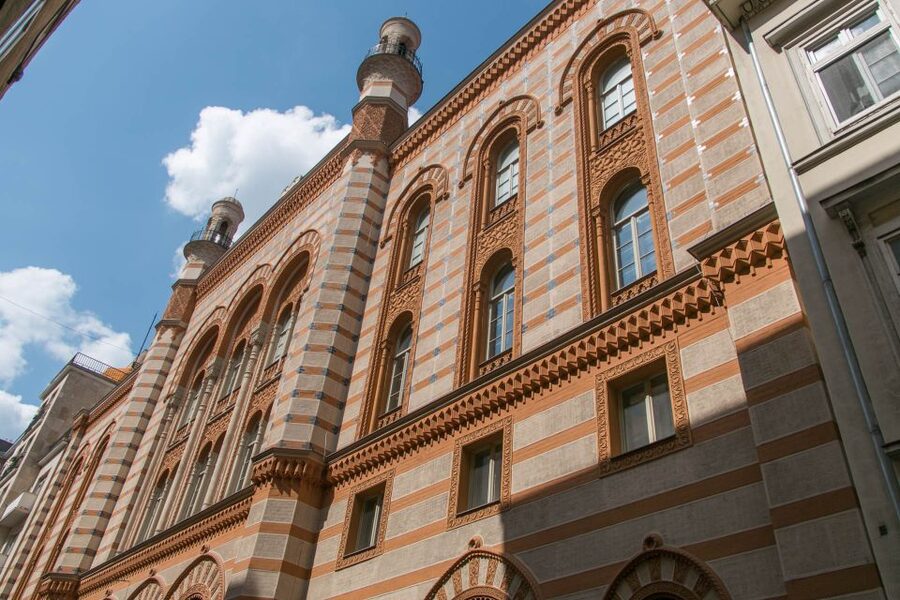
The first synagogue you step into is the Rumbach Street Synagogue. You get a photo stop, guided commentary, and entry ticket included, which is a big value point since many walking tours in tourist-heavy cities keep you outside.
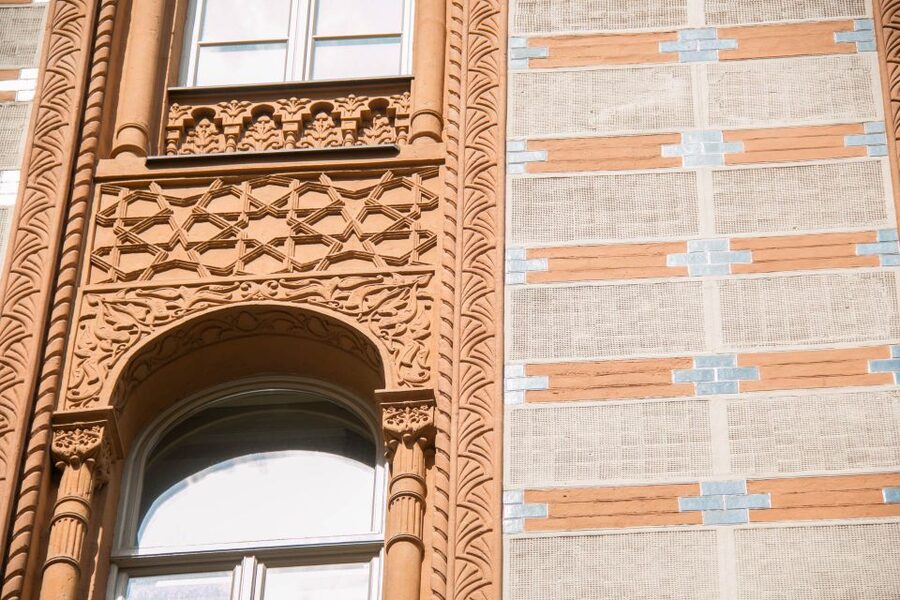
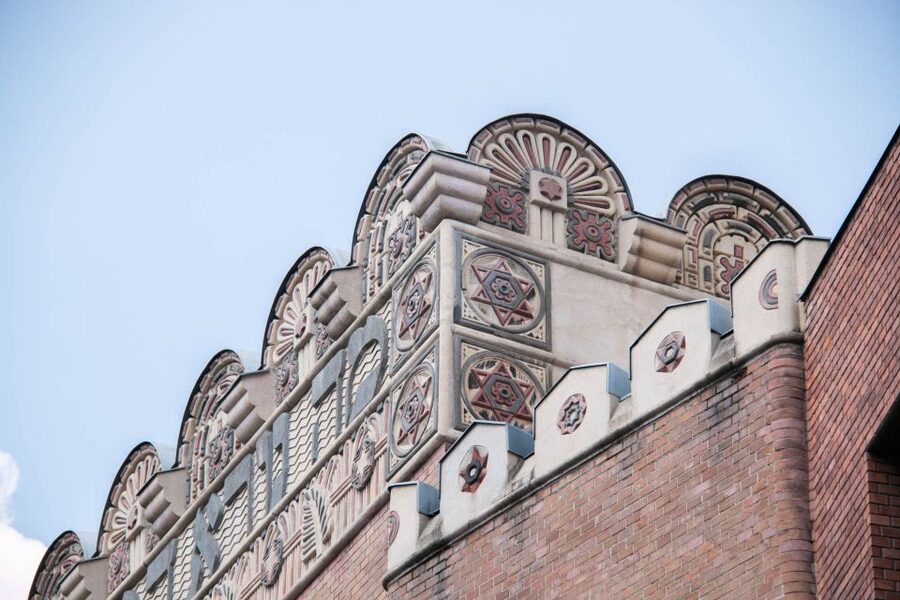
What I like most about this stop is how it turns “a pretty building” into something you can actually interpret. The tour focuses on the synagogue as both an art-historical object and a historical memento of its time. That pairing is exactly what you want from a Jewish heritage tour, because it respects the place as more than a religious site, it also becomes a snapshot of community identity.
You’ll also hear how synagogues functioned as more than worship spaces. In a neighborhood where people were building lives, studying, trading, organizing, and raising families, these buildings anchored community memory. When your guide explains the context, details like architecture and design stop being decorative and start being historical evidence.
A practical note: plan for a short indoor moment with your guide before you move back out. It’s one of those stops where you’ll want to look up, then listen, then look again.
Gozsdu Passage and the street stories between major sites
After Rumbach, the walk shifts into neighborhood rhythm. You pass through the Jewish Quarter streets, with guided walking and a couple of photo opportunities around Gozsdu Passage and Gozsdu Udvar.
This part is underrated because it slows down the “big monument” mode. You’re learning how the Jewish District was not just synagogues and memorials, it was also streets full of regular life. Your guide points out less-known sights and explains how the streets themselves gained meaning from who lived there, who became famous, and what brought different groups together.
If you like walking tours that feel like you’re learning a place rather than collecting photos, this is the segment that delivers. It also helps the later Holocaust memorial stops hit harder, because you’ve already built a picture of everyday community life.
One small consideration: Budapest weather changes quickly, so this portion can feel longer if it’s raining. Since the total tour time is about 2 hours, it’s usually manageable, but it helps to bring a light layer or umbrella.
Ghetto Wall Memorial, Carl Lutz Memorial, and the Memory Wall
This is the emotional center of the tour. You’ll visit Holocaust-related reminders, including a remnant of the ghetto wall, the Carl Lutz Memorial, and a Memory Wall. You’re also included with the entry ticket to the Ghetto Wall Memorial, so you get access without needing extra ticket steps.
Even if you know the broad outline of World War II, these stops make the story local. A ghetto wall remnant is not a textbook image, it’s physical proof of confinement. The Memory Wall and the Carl Lutz Memorial then widen the frame from suffering to the human choices that helped people survive.
Your guide also talks about miraculous survivings and about the people who helped others, including the kind of quiet bravery that doesn’t always get taught in general history classes. I like that the tour doesn’t only say tragedy happened. It also talks about survival as an active, sometimes improvised effort by real people.
Because this section involves heavy subject matter, pace matters. A small group helps a lot here. With fewer people, you can hear the guide clearly and take a moment when your brain needs it. This is one of those walks where it’s okay to step back, look at the memorials, and let the facts settle.
More walking tours in Budapest:
- Budapest: Buda Castle Walk with Saint Stephen’s Hall
★ 4.5 · 3,012 reviews - Big Bus Budapest Hop-On Hop-Off Bus and Walking Tour
★ 3.5 · 2,206 reviews - Budapest: Buda Castle District Walking Tour
★ 4.6 · 2,108 reviews - Budapest City Landmarks Walking Tour in 2 Hours
★ 5.0 · 2,048 reviews
Kazinczy Street Synagogue: outside views still carry weight
The last major synagogue stop is the Kazinczy Street Synagogue. Here’s the key planning detail: it is temporarily closed due to restoration, so you only get to see it outside. The tour notes that the outside viewing is part of the experience, and entry is not included while repairs are underway.
Some tours treat a closed building like a letdown. This one tries to do the opposite. Your guide uses the exterior and the setting to explain what the synagogue represented in the district and why the Jewish community’s built landscape mattered.
Even from outside, there’s useful context. You’ll also hear about how two other synagogues once stood in the district but were demolished by the 1930s. That story adds a crucial layer: religious and cultural buildings do not only get preserved or destroyed in wartime. They can also disappear due to earlier political and social changes.
If you are hoping for a full interior visit of both synagogues, adjust expectations. Still, this final stop helps you connect the dots from community life to catastrophe to the physical reshaping of the neighborhood.
Why the historian guide makes this tour worth the $62
For $62 per person and roughly 2 hours, the value is not just that you cover landmarks. It’s that you cover meaning, with live historian guide Kálmán Dániel leading a small group limited to 10 participants.
The built-in value is clear in the included access. You get entry to Rumbach Street Synagogue, entry ticket to the Ghetto Wall Memorial, and guided stops tied to the memorial sites. Those admissions plus an expert guide often add up to more than the sticker price if you were trying to DIY it while also trying to understand what you’re seeing.
The guide quality also shows in how people describe the tour: you get friendly, expert-level context, and it stays interesting without feeling like a lecture. That’s exactly what you want on a short city walk. You should leave feeling oriented and able to look at Budapest’s streets with sharper eyes.
Another smart choice: you’re visiting both religious architecture and Holocaust memorial spaces. That mix can be uncomfortable, but it’s also honest. Budapest’s Jewish heritage is not just a museum topic, it’s a whole human story that shaped everyday life, then endured catastrophe, and left traces you can still read.
Who this walk fits best, and who should choose something else
I’d recommend this tour if you want a focused, fact-based Jewish heritage walk in a limited time window. It’s especially good for first-time Budapest visitors who want to understand the Pest-side Jewish District without spending half a day researching on their own.
It’s also a strong pick if you care about buildings and historical context, not only big-name monuments. The synagogue stops and the street-level storytelling give you a layered view, and the historian guide helps you avoid the common problem of tours that only skim the surface.
If you’re traveling with someone who prefers light, purely scenic walks, be aware the memorial section includes Holocaust reminders. This isn’t a party tour. But if you want a respectful, well-guided look at what Budapest remembers, it’s a solid choice.
Practical tips for a smooth 2-hour walk
You’ll want to arrive a bit early at Deák Square, at the Lutheran church entrance by the M2 metro area. From there, the tour moves at walking pace with photo opportunities, so comfy shoes matter.
Bring a light layer. You’ll be outside for parts of the walk, including the Gozsdu area and the exterior synagogue viewing. If you’re sensitive to heavy topics, it helps to mentally plan for the memorial segment so you can pace yourself.
Language is English, and the group stays small, so it’s worth coming with a couple of curiosity questions. When a historian guide has fewer people to work with, you can usually get answers that actually help you understand the place.
Lastly, check your expectations about Kazinczy. It’s included as an outside visit because of restoration closure, so don’t plan your day around an interior entry there.
Should you book this Budapest Jewish Heritage Walking Tour?
Yes, if you want a short, historian-led walk that connects synagogues, neighborhood streets, and Holocaust memorials into one coherent story. The small group size, the real historian guide, and the included entries at Rumbach Street Synagogue and the Ghetto Wall Memorial make the $62 price feel earned.
If you specifically need interior access to both synagogues, then you may want to book a different option or pair this tour with other time in your schedule. Otherwise, this is a practical way to leave Budapest with a real understanding of Jewish heritage on the Pest side, not just photos.
FAQ
Where does the tour start?
You meet right at the entrance of the Lutheran Church at Deák Square (Deák tér), not far from the M2 metro entrance.
How long is the Budapest Jewish heritage walking tour?
The tour lasts 2 hours.
Is the tour guided by a historian, and in what language?
Yes. It is led by a field expert historian, and the tour runs in English.
How big is the group?
The group is limited to 10 participants.
Which synagogues are visited, and is entry included?
You visit Rumbach Street Synagogue with entry ticket included. You also visit Kazinczy Street Synagogue, but it is temporarily closed, so you only see it outside.
What Holocaust and memorial sites are included?
The tour includes visits to the Carl Lutz Memorial and the Memory Wall, plus a Ghetto Wall Memorial stop with an entry ticket.
What is included in the price?
The price includes the historian guide, entry ticket to Rumbach Street Synagogue, entry ticket to the Ghetto Wall Memorial, and the guided visit components. Food and drinks are not included.
More History-Led Tours in Budapest
- Budapest: Historic Cruise with Welcome Drink
★ 4.7 · 6,512 reviews - Budapest Historical Sightseeing – Free Walking Tour
★ 5.0 · 1,302 reviews - Buda Castle District Dark History, Legends and Vampire Night Tour
★ 4.5 · 1,240 reviews - BloodThirsty Hungary: Walking tour & Dark Historical Stories
★ 4.9 · 633 reviews
Recently reviewed around Budapest
- Panoramic hike around Budapest★ 5.0 · 14 reviews
- PRIVATE (7 hours) Budapest and Szentendre city tour with lunch and winetasting★ 5.0 · 4 reviews
- Original Budapest Walking Tour★ 4.0 · 39 reviews
- Budapest Highlights Self guided scavenger hunt and Walking Tour★ 5.0 · 5 reviews
- Hungarian Gastro Cellar: Assisted Tasting Options★ 4.5 · 5 reviews
- Original Budapest Alternative Street Art & Jewish Tour★ 4.5 · 14 reviews
- Bratislava, one day private trip from Budapest with guide!★ 5.0 · 4 reviews
- One hour Hen or Stag private party boat Budapest with unlimited beer and wine★ 3.5 · 6 reviews
Jewish Heritage Tours, compared.
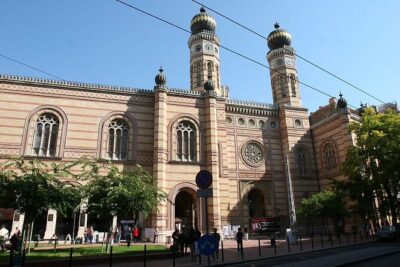
Budapest Jewish Heritage Memorial Walking Tour & Synagogue Entry
Read our review →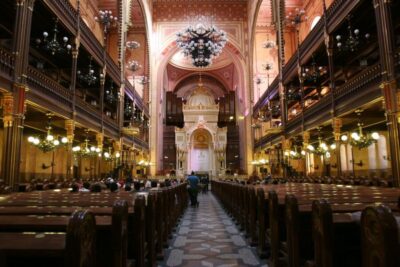
Jewish Heritage Guided Tour with Synagogue Ticket
Read our review →
Walking Tour Budapest incl. the Shoes on the Danube Bank
Read our review →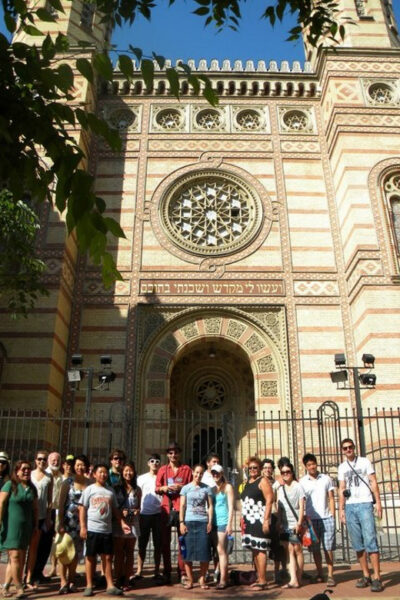
Past and Present of Budapest Jewish District Tour
Read our review →
Budapest Dohany Synagogue & Hungarian Jewish Museum & free extras
Read our review →Browse the lists this tour appears in