
Reviewed · COMMUNIST HISTORY TOURS
Budapest: Hammer & Sickle Communism Walking Tour
Budapest turns into a real-time history lesson on a Hammer and Sickle walking tour, where you track how communism shaped everyday life in the city. I love the specific day-to-day details you hear about, from getting a passport to school life, and I really like the stop at the 1956 revolution exhibition, even if it is small. The main drawback to plan around is that it is about 2 hours of continuous walking, so comfortable shoes matter.
You will spend 2.5 hours working your way through central Pest, with a licensed English-speaking guide and a little refreshment along the way. The tour starts at Deak Ferenc ter 4 in front of the pale yellow Lutheran Church, on the steps, so you can get your bearings fast.
Key things I’d circle before you book
- Daily life under communism: what work, school, and errands looked like when the state was in charge
- 1956 revolution exhibition stop: a focused, memorable commemoration tied to Budapest’s moment of resistance
- Liberty Square Soviet Memorial: one of the clearest reminders of how visible Soviet power once was
- Street-level route in Pest: you walk through areas where the political story unfolded
- Guide-led storytelling: guides are often praised for being professional and prepared, including a commonly mentioned name, George
Why This Hammer and Sickle Walk Works So Well in Budapest
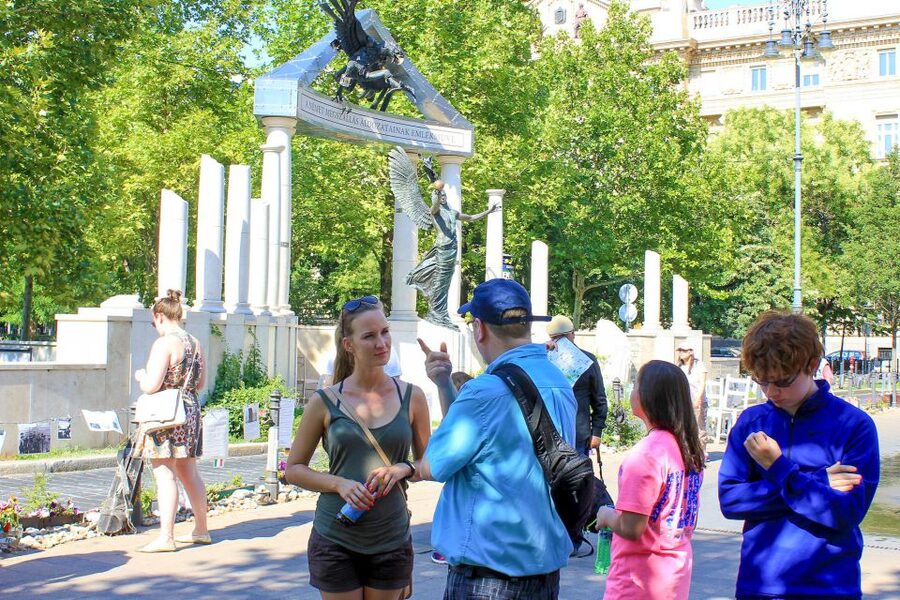
Budapest is gorgeous, but this tour goes after the less pretty layer: how power feels when it runs your daily routine. You will hear about Hungary during decades of communist rule, and you will also learn the human side, the “how did people actually manage” part.
What makes this experience work is that it is not just dates and slogans. The tour connects politics to practical life. You hear about everyday realities such as driving Trabant cars and working within a system where even basic documents like passports were tied to the regime. That shift, from abstract history to lived routine, is what makes the stories stick.
One more reason it clicks: you walk. Soviet-era history is hard to picture as a concept. It becomes easier when you move through central Pest and see how monuments, official buildings, and surrounding streets all shape what you notice.
More communist-era history tours in Budapest:
- Budapest: Communist History Tour with House of Terror Option
★ 4.8 · 182 reviews - Budapest: 3-Hour Walking Tour About Communism (Small Group)
★ 4.7 · 70 reviews - Communism in Hungary with a Historian
★ 5.0 · 70 reviews
Starting at Deak Ferenc ter, Before the History Gets Heavy
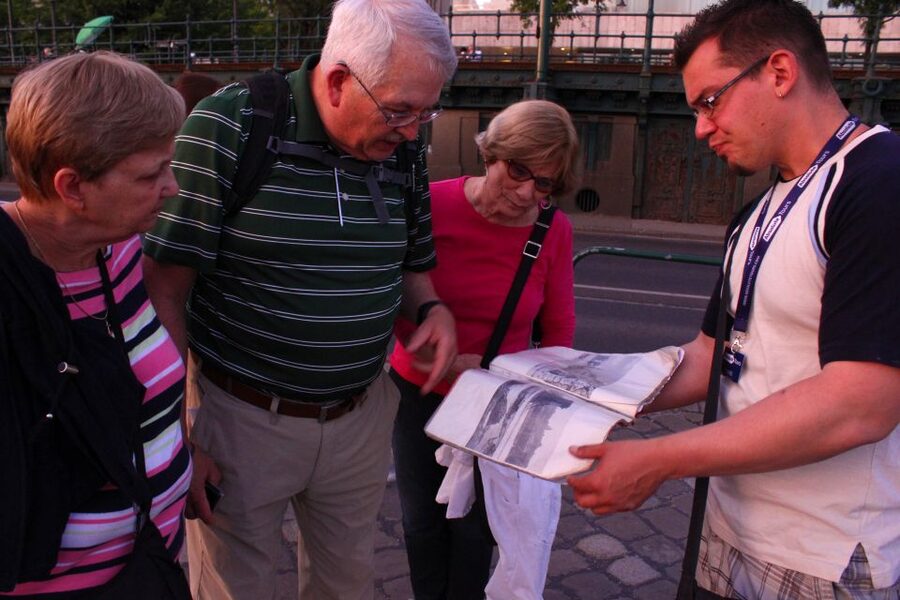
The meeting point is easy to find: 1052 Budapest, Deak Ferenc ter 4, in front of the pale yellow Lutheran Church, on the church steps. I like meeting at a major square because you can line up your tram or metro route without drama, and you know you are in the middle of things.
From the first minutes, the guide’s job is to set expectations, because the subject is serious. This is not a light chat about communism. It is a guided walk through how ordinary people negotiated an unethical regime, including the practical “permission and paperwork” side of life.
You will also get a small refreshment, like coffee, tea, or a soft drink. That matters more than it sounds. The tour can run in all weather conditions, and when you are standing, listening, and walking for hours, you want a little warmth and hydration to keep your energy steady.
Everyday Communism: Passports, School, and the Trabant Era Stories
This is where the tour earns its name, because it focuses on the lived experience of communism rather than only the big political events. You are not just told that Hungary was under Soviet influence. You learn how life operated when the state shaped your schedule, your education, and your access to travel.
Expect to hear examples like:
- how people navigated systems such as getting a passport
- what school life could look like under communist rule
- what work and routine meant for the average person
And you will get small, striking details along the way, like the mention of Trabant cars. That kind of detail sounds almost nostalgic until you place it in context. Under the communist system, everyday objects carried the weight of shortages, planning, and ideology.
If you are the kind of traveler who likes history that feels close enough to touch, this section is your payoff. You leave with a better sense of why resistance and protest could grow, not just what happened during key turning points.
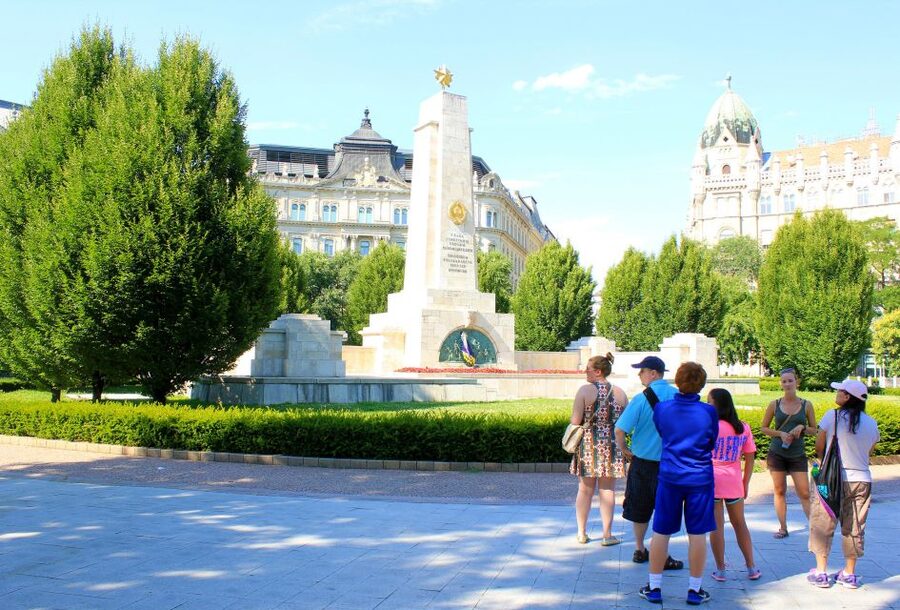
Liberty Square and the Soviet Memorial You Walk Right Up To
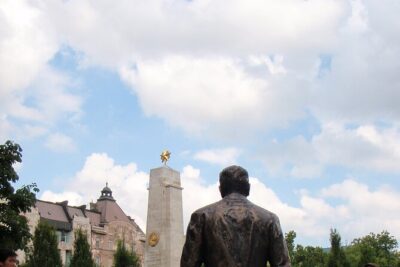
One of the tour’s major moments is getting to Liberty Square and the Soviet Memorial, described as one of the last remaining Soviet monuments. This stop works because it is physical. You do not only hear about Soviet power, you see how it was marked in stone and layout.
When you stand in places like this, it becomes easier to understand the long afterlife of politics. Monuments do not just commemorate. They also communicate what was once considered permanent and unquestionable.
The guide connects the location to the larger story of how Hungary’s relationship with Soviet authority evolved over time, including the atmosphere that set the stage for protest. Even if you already know the headline events, the way the guide ties the location to human behavior, fear, compliance, and occasional defiance makes it feel sharper.
Practical note: this is a walking tour, so you will want layers. Even when the square is not too crowded, you will spend time standing and listening.
More walking tours in Budapest:
- Budapest: Buda Castle Walk with Saint Stephen’s Hall
★ 4.5 · 3,012 reviews - Big Bus Budapest Hop-On Hop-Off Bus and Walking Tour
★ 3.5 · 2,206 reviews - Budapest: Buda Castle District Walking Tour
★ 4.6 · 2,108 reviews - Budapest City Landmarks Walking Tour in 2 Hours
★ 5.0 · 2,048 reviews
1956 at Street Level: The Small Exhibition Stop That Hits Hard
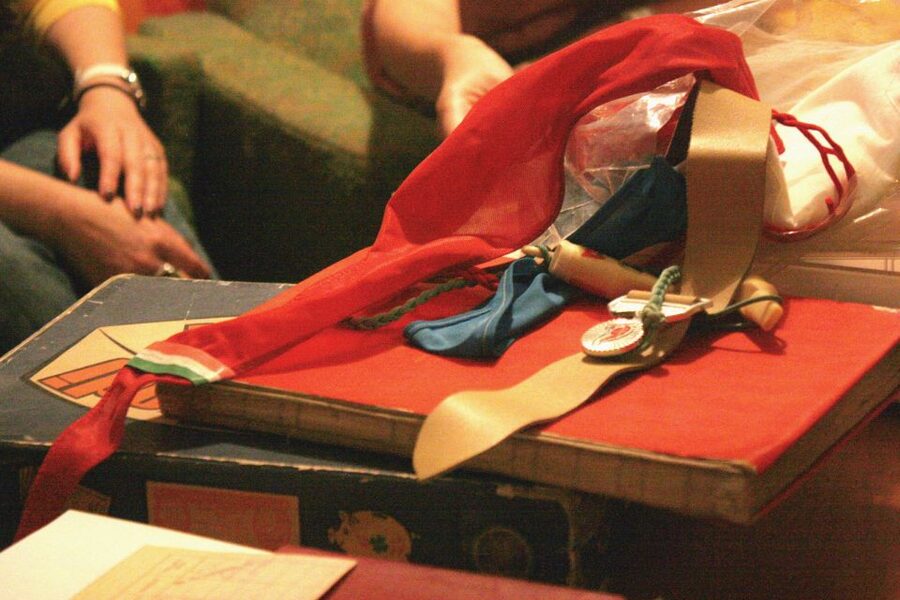
Another standout is a stop at a small exhibition about the 1956 revolution. If you are expecting a museum-sized experience, you might be surprised by the size, but that is not necessarily a problem. Smaller stops can be more focused. You leave with fewer facts, but better organized ones.
The tour’s framing makes 1956 more than a date on a timeline. You hear about the first protests and the pushback against an unethical regime, and you connect those early acts of resistance to how Hungary ended up on the map as a place where people stood up, even when the risk was real.
This is also where you will feel the tone shift. The route so far has been about everyday life under communism. This section brings the consequences into sharper focus, and it makes the earlier stories of routine feel more urgent.
Walking Through Pest: Parliament Area Views and the Propaganda Underlay
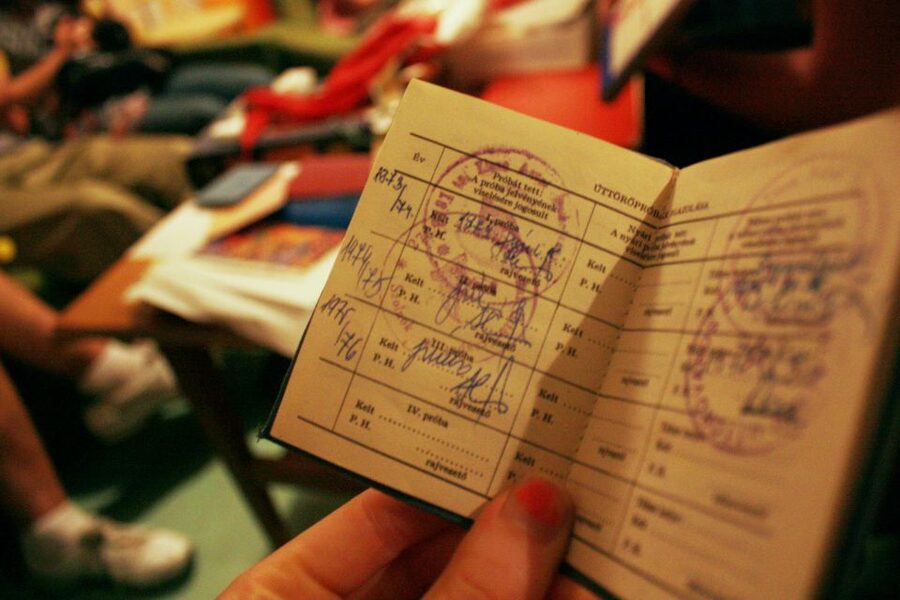
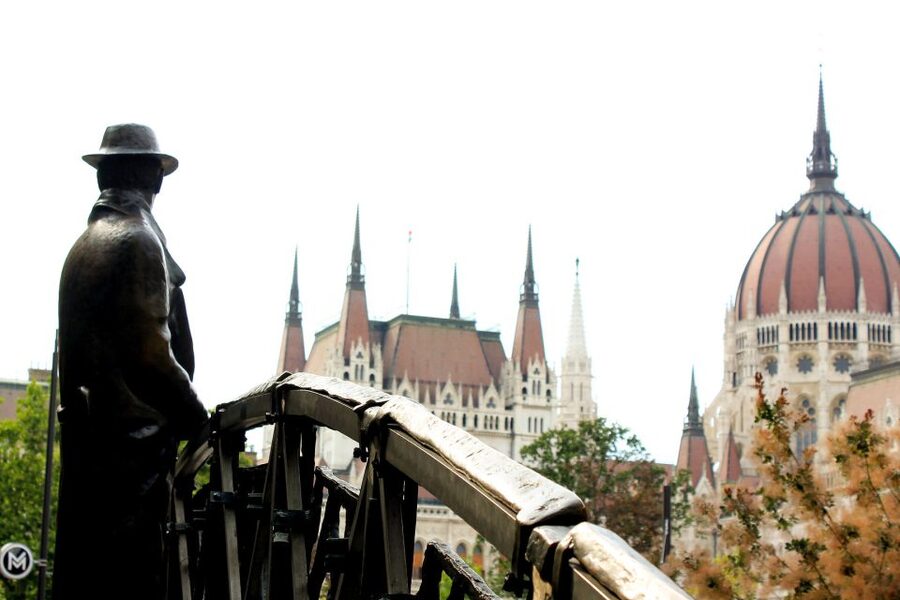
After the Liberty Square moment, the tour continues through central Pest into the area around Hungarian Parliament. The point is not just to get photos of a landmark. It is to read the city the way a local would, with political meaning built into public space.
You will hear about historical events that put Hungary on the map, and the guide helps you connect those events to what you see around you. That is where street-level walking becomes more than exercise. It turns Budapest into a timeline you can navigate with your feet.
One caution: Parliament-area streets can feel like any busy downtown area once you are moving. If you tune out, you will miss the thread the guide is drawing. Keep your attention anchored to what the guide says about why each stop matters.
Guide Style Matters: Professional Preparation and How to Ask Better Questions
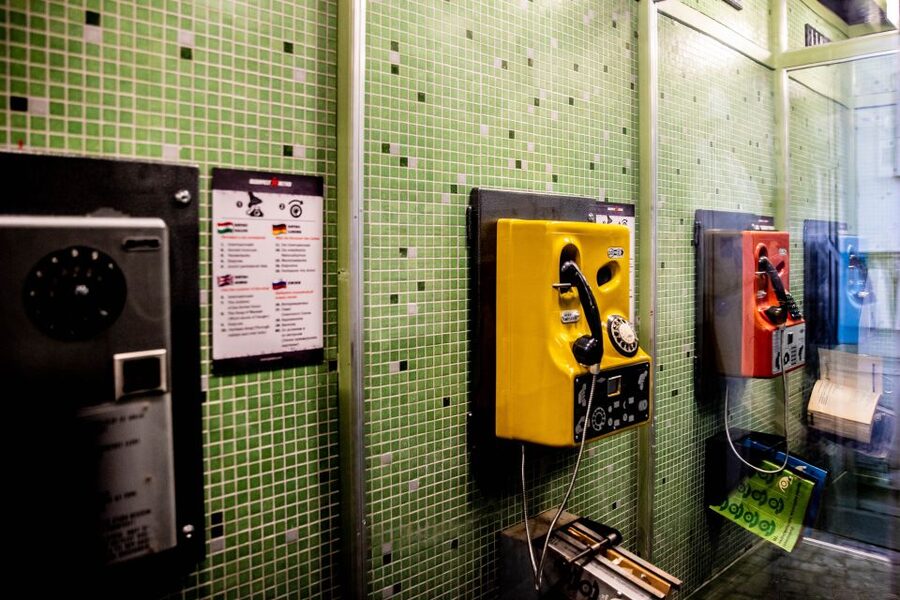
A tour like this lives or dies by the guide. Here, the pattern is a strong one: guides are described as professional and well prepared, with a conversational style that keeps the story moving.
You may see references to guides by name, including a commonly mentioned English guide named George, who is praised for being personable and informative, and for providing an inside look at Hungary before the version you see today. Even if you do not get that exact guide, the key takeaway for your planning is simple: look for an English-speaking guide who can explain both emotion and mechanics, why people acted and how systems constrained them.
To get the most out of your guide, ask one practical question early in the tour. Something like how everyday rules shaped what people could do day to day. Then listen for the guide’s examples. This tour really rewards that approach.
Price and Value: Is $72 Worth It?
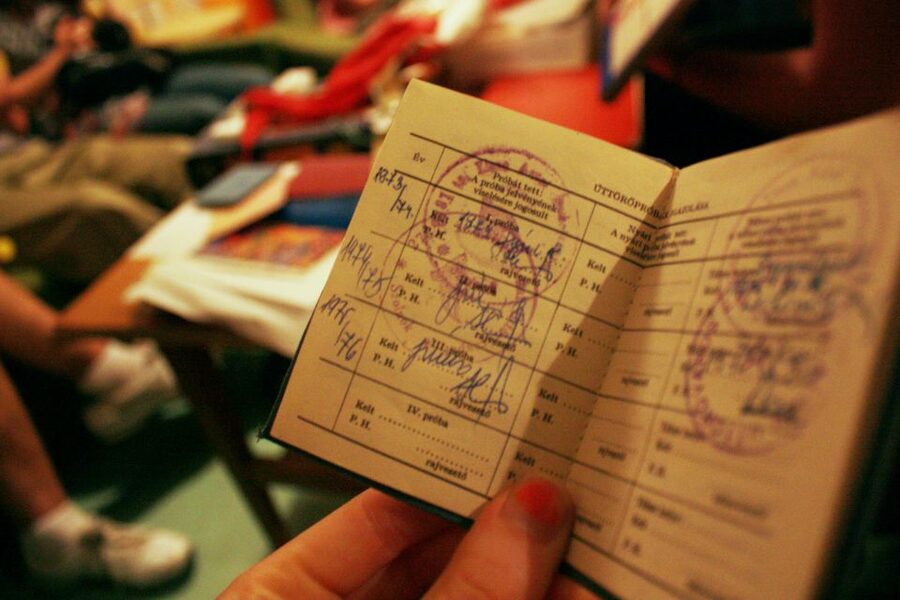
At $72 per person for about 2.5 hours and a licensed English guide, the price sits in the mid-range for specialty history walking tours.
Here is how I’d evaluate value for you:
- You are paying for a guide who can connect communism to daily life, not just lecture facts.
- You also pay for access to the 1956 exhibition stop, plus the refreshment included on the tour (coffee, tea, or soft drink).
- The walking time is substantial, so you are buying time with an expert, not a quick sightseeing loop.
Where value can feel less obvious is if you already know a lot of communist-era history. One comment you might want to consider is that some people feel it did not justify the cost if they expected more spectacle or a bigger museum component. If you are advanced in the topic, keep your expectations focused on conversation and city-based storytelling, not a deep research seminar.
For first-timers to Hungary’s 20th-century story, I think the balance is usually right.
Practical Tips for 2 Hours of Walking, Weather, and Comfort

The tour involves about 2 hours of continuous walking, and it operates in all weather conditions. That means your biggest decision is clothing and shoes, not what bag to bring.
Wear:
- comfortable shoes you can walk in for at least 2 hours
- comfortable, weather-appropriate clothing
Bring:
- a light layer for changing conditions
- a small water plan, even though you will get a refreshment
Also consider suitability. The tour is not recommended for children under 14 and not suitable for people with mobility impairments. If you are unsure, think about whether you can comfortably handle long stretches on foot without frequent breaks.
Should You Book the Budapest Hammer and Sickle Tour?

Book this tour if you want Budapest history that connects directly to daily life, and if you like walking through central streets with a guide explaining what you are seeing and why it mattered. The combination of everyday communist routines, the Liberty Square Soviet Memorial, and the 1956 revolution exhibition stop makes it more than a standard sightseeing route.
Skip it or consider an alternative if you:
- hate long walking segments
- want a more relaxed pace
- already know the topic extremely well and feel you are paying for something you already mastered
If you can handle 2 hours of steady walking and you are curious about how communism shaped ordinary life, this is a strong, focused way to understand Hungary’s past right where the city still shows the marks.
FAQ
How long is the Budapest Hammer and Sickle Communism walking tour?
It lasts about 2.5 hours, with around 2 hours of continuous walking during that time.
Where do I meet the guide?
Meet at 1052 Budapest, Deak Ferenc ter 4, in front of the pale yellow Lutheran Church, on the church steps.
What language is the tour in?
The tour is offered in English.
Is the tour suitable for children?
It is not recommended for children under age 14.
Is it accessible for people with mobility impairments?
No. It is not suitable for people with mobility impairments.
What is included in the price?
You get a licensed expert guide plus a refreshment, such as coffee, tea, or a soft drink.
What is not included?
Food is not included, and gratuity is optional. Pick-up and drop-off are also not included unless pickup details are arranged when booking.
Does the tour run in bad weather?
Yes, it operates in all weather conditions.
What should I wear or bring?
Bring comfortable shoes and comfortable, weather-appropriate clothing.
How do cancellations work?
There is free cancellation up to 24 hours in advance for a full refund.
Recently reviewed around Budapest
- Panoramic hike around Budapest★ 5.0 · 14 reviews
- PRIVATE (7 hours) Budapest and Szentendre city tour with lunch and winetasting★ 5.0 · 4 reviews
- Original Budapest Walking Tour★ 4.0 · 39 reviews
- Budapest Highlights Self guided scavenger hunt and Walking Tour★ 5.0 · 5 reviews
- Hungarian Gastro Cellar: Assisted Tasting Options★ 4.5 · 5 reviews
- Original Budapest Alternative Street Art & Jewish Tour★ 4.5 · 14 reviews
- Bratislava, one day private trip from Budapest with guide!★ 5.0 · 4 reviews
- One hour Hen or Stag private party boat Budapest with unlimited beer and wine★ 3.5 · 6 reviews
Communist History Tours, compared.
Communist History Tour with House of Terror Option
Read our review →
3-Hour Walking Tour About Communism (Small Group)
Read our review →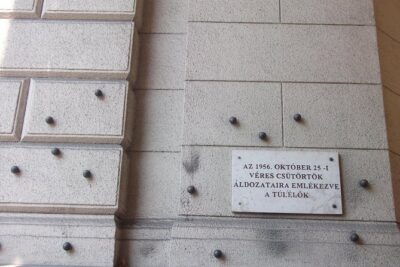
Lives of Hungarians Under Communist and Capitalist system
Read our review →
Memento Park Visit with Private Trabant Transfer
Read our review →Browse the lists this tour appears in