
Reviewed · COMMUNIST HISTORY TOURS
Lives of Hungarians Under Communist and Capitalist system
This Budapest walk is interesting because it treats Communism as something you can see, touch, and argue about in real city spaces, not just a textbook topic. You start near the Budapest Eye and end at the Hungarian Parliament, where 1956 is still part of the street-level story.
I especially like the way the guide uses personal lived perspective to explain how ordinary people handled daily life under the system, then compared it to what came after. I also like the stop choices, because they cover everyday topics like travel documents, housing, education, media, and religion, instead of only big political speeches.
One possible drawback: you only have about 1 hour 30 minutes, so you’ll leave with a clear framework, but not deep, museum-grade detail on every topic. Also, some themes are heavy, so it helps if you’re ready for a more serious history walk.
Key things that make this tour worth your time
- A guide with lived experience who connects Central European Communism to what people actually faced day to day
- Start at Budapest Eye, then build the story step-by-step toward the Hungarian Parliament
- Travel-life focus at Fröccsterasz, including basic travel documents and Communist-era transport references
- Religion under the Party at St. Stephen’s Basilica, where differences could vary family by family
- Cold War and 1956 on the same route, including an emergency exit linked to an F4 military nuclear bunker
Why this Budapest route tells the Communism story better than a lecture
Budapest is full of monuments, but it’s the small, specific places that make history feel believable. This tour uses a smart walking format: you hear the background, then you stand by buildings and street corners where the topics make sense.
What makes it work is balance. You get explanations of Hungarian Communism, then follow-through on post-Communism life, including why some people look back with nostalgia. It’s not propaganda one way or the other. It’s more like, this is what the system did, this is what people adapted to, and this is what changed after.
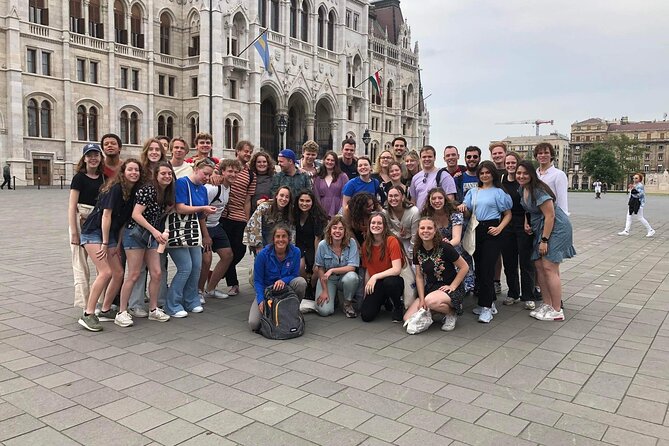
Also, it’s timed for reality. The whole thing runs about 1 hour 30 minutes, with short stops so you stay connected to what you’re seeing. The group limit is 20, so the guide can keep it interactive instead of turning it into a rushed slideshow.
More communist-era history tours in Budapest:
- Budapest: Communist History Tour with House of Terror Option
★ 4.8 · 182 reviews - Budapest: 3-Hour Walking Tour About Communism (Small Group)
★ 4.7 · 70 reviews - Communism in Hungary with a Historian
★ 5.0 · 70 reviews
Meeting at the Budapest Eye, then getting a 15-minute Communism primer
The walk begins at the Ferris Wheel of Budapest, near Erzsébet tér, with your fully licensed guide meeting you about 20 meters from Budapest Eye. The start matters because it gets you oriented right away, in the most public part of the city, where you can feel how Budapest’s different eras layer on top of each other.
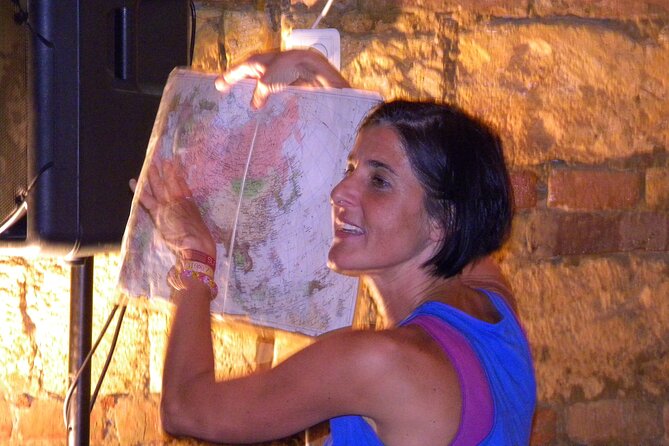
At this first stop, you also get an interactive 15-minute history lesson focused on Hungarian and Central European Communism. That small primer is useful, because later stops are about daily life, not just names and dates. If you come in with no background, you’ll still follow. If you come in knowing the basics, you’ll likely notice how the guide frames what you already learned.
There’s also a stop element labeled admission ticket free, so you’re not hit with an extra payment just to participate in what happens here. You’ll be set up to understand the route as you walk forward, rather than trying to connect everything later on your own.
Fröccsterasz: travel documents and Communist-era movement rules
The second stop is Fröccsterasz, and this is one of those choices that instantly makes Communism feel personal. Instead of only talking about ideology, you hear stories about incoming and outgoing travel from Hungary and see basic travel documents.
This is the part I think is most practical for your understanding. Travel rules are a real window into how a system controls access. When you see the actual documents the guide highlights, you start thinking in terms of permission, verification, and who had freedom versus who had friction.
The stop also points out Communist car types and other means of transportation. That may sound like trivia, but it’s really a way to talk about everyday infrastructure and what kinds of mobility were available, or limited. Under Communist systems, transport can be political by default, because it affects who can go where, how easily, and how reliably.
This is a shorter stop, about 10 minutes, so take it in as a focused snapshot rather than an entire lecture. If you want to ask questions, this is a good moment because the topic is concrete.
St. Stephen’s Basilica: how religious life could vary by family
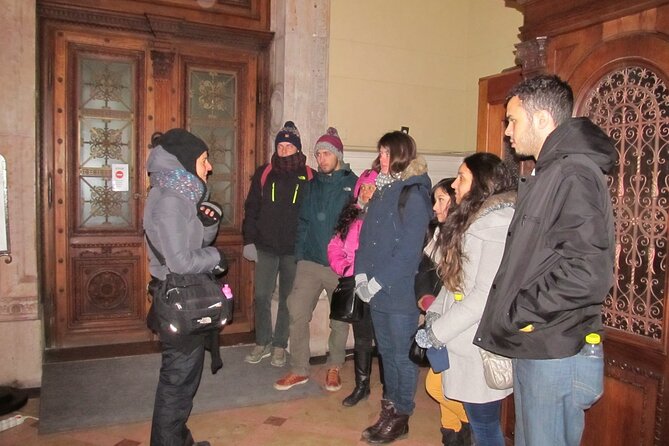
Next up is St. Stephen’s Basilica (Szent Istvan Bazilika), where you spend around 15 minutes. Here the guide shifts from travel and documents to belief and daily routines.
You learn about the difficulties different denominations faced during Communism, and you also hear how religious life could vary from one family to another. That family-level angle is important. It keeps the discussion from turning into one blanket story. Even under the same political system, lived experience can differ based on place, community ties, and personal circumstances.
The Basilica setting also does something useful for you. It anchors the conversation in a visible religious landmark, which helps you compare how spirituality and state power coexisted in different ways. You’re not only hearing the facts, you’re looking at a building that survives across regimes, which makes the topic feel less abstract.
Like the earlier stops, this is time-boxed. You won’t get every detail about every religious group, but you will get the main idea: pressure, limits, and variation all existed, and family choices played a real role.
A different way to spend a day in Budapest:
- Budapest: City Highlights Cruise with Welcome Drink
★ 4.6 · 35,610 reviews - Budapest: Unlimited Prosecco, Beer and Aperol Spritz Cruise
★ 4.8 · 25,310 reviews - Budapest: Széchenyi Spa Day Ticket with Optional Upgrades
★ 4.3 · 23,911 reviews - Budapest: Nighttime or Daytime Sightseeing Cruise
★ 4.2 · 21,062 reviews
District V and the inner city: housing, education, media, and propaganda
The route then heads through District V / the inner city for about 20 minutes. This is the longest stop after the first one, and it’s where the tour starts to feel like a full picture.
You’ll talk about housing, health care, education, and the role of media culture and propaganda during Communism and after it ended. You’ll also hear how sport and the Olympic Games fit into the bigger story of how states present themselves.
The most useful part here is the framing of change. The guide explains not only what life looked like under Communism, but what shifted post-Communism, and why people experienced those differences differently. That’s also where the guide discusses why some people have nostalgia for Communism.
Nostalgia is always tricky in history discussions, and it’s smart that this tour treats it as a real phenomenon rather than a punchline. For some people, nostalgia can be about stability, predictability, or social safety nets. For others, it can be about lost opportunities or a different kind of community. You’ll hear the guide’s explanation for why the feelings exist, even if you may or may not agree with the conclusion.
This stop is a big reason the tour can work for students and teens, because it connects the idea of a system to everyday institutions you can relate to: schools, clinics, apartments, and the media you consume.
Szabadság tér: controversial monuments, a nuclear bunker exit, and guarded buildings
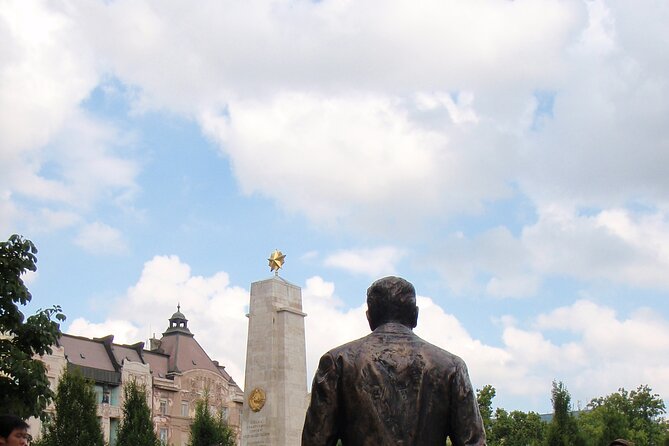
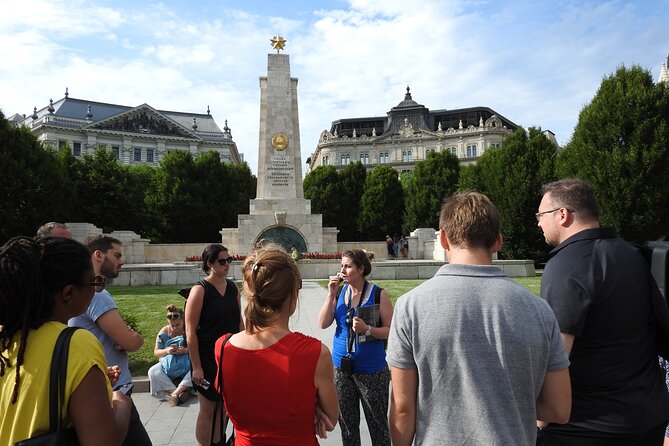
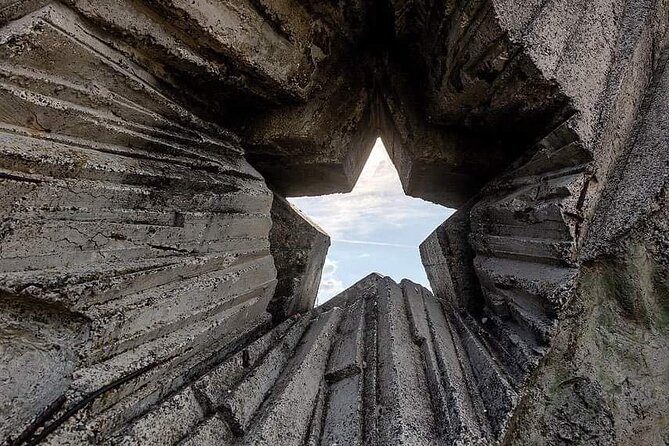
Szabadság tér is where the tour gets sharply physical and political in a way you can’t ignore. You spend about 10 minutes here, but the density of topics is high.
You’ll see controversial monuments together with the emergency exit of an F4 military nuclear bunker. That combination is striking for your understanding, because it tells you Budapest held both public symbolism and serious internal security planning. The city isn’t just pretty architecture. It’s also an archive of fear management and power.
You’ll also notice urban art guerilla statues. That adds another layer to the story: the way people push back, respond, and reinterpret what official messages try to control.
Then comes a reference to the second most guarded building in Budapest, described here as a place that gave shelter to a prominent Hungarian person over 15 years. You’re not given a long biographical module at this stop, but you do get the core takeaway: the city was shaped by security priorities, and personal power was protected by concrete barriers.
This is the kind of stop where it helps to look up as well as around. The guide will point out the details you might otherwise miss, and those small visual cues are what make the history stick.
The Hungarian Parliament and 1956: bullets, heroes, and childhood memories
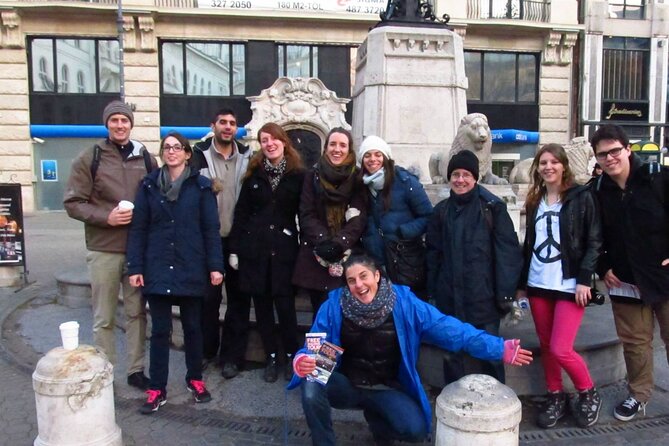
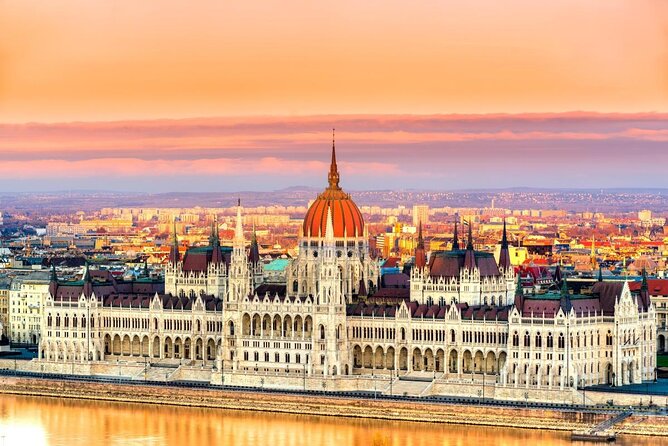
The final stop is the Hungarian Parliament Building area, with about 15 minutes devoted to 1956. The guide discusses the uprising in depth and connects it to broader Communism and post-Communism realities.
One of the most memorable elements is the mention of bullet holes on the facade of some residential buildings around the Parliament. Seeing those kinds of marks matters, because it shifts the story from abstract rebellion to something that left physical evidence.
You’ll also learn about the heroes of 1956 and hear stories connected to experiencing the Revolution of 1956 and Communism as a child. That childhood perspective is one of the strongest ways to understand history emotionally. It’s not only what happened. It’s what it felt like when you were young and you had to keep living after the noise stopped.
You finish near Kossuth Lajos tér 1-3, about 50 meters from the M2 red metro line. That’s convenient, because it helps you transition smoothly from the heavy subject into the rest of your day.
Price and value: paying $4.65 for context, then tipping for the guide
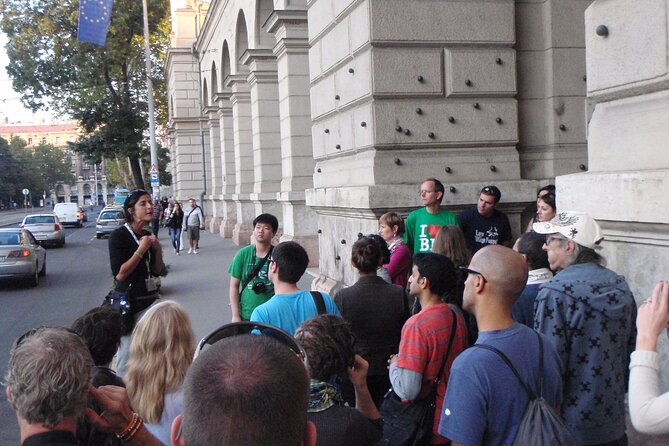
The listed price is $4.65 per person, and the average booking happens about 14 days in advance. For a tour that covers multiple major Budapest anchors, plus a guided political and social story, it’s genuinely good value for what you get in about 1.5 hours.
Here’s the key catch to understand clearly: your payment includes an administrative and marketing fee. That booking fee does not go toward the guide’s earnings. Guides depend on tips at the end.
In practice, many people tip around €10 per person, and some tip more. If you want this to be fair for the person guiding you, plan to budget that tip. It also explains why this kind of walking history tour can stay affordable: the base payment covers the platform piece, and the guide is supported directly by what you choose to give.
Given the small group size (max 20), the interactive history primer, and the guide’s personal lived perspective, I think you’re paying for access to interpretation, not for a packaged museum product. That’s a different kind of value, and it’s often the best kind when you care about how stories connect to real life.
Timing, tickets, and how to make the walk click
The tour starts at 3:30 pm and runs about 1 hour 30 minutes. It uses a mobile ticket, so have your phone ticket ready when you meet the guide near Budapest Eye.
It’s also described as near public transportation. You’ll start close to Budapest Eye and finish close to the M2 red metro line. That matters because it makes it easier to slot into your day without turning the walk into a logistics project.
The biggest “make it click” advice is to show up ready to connect. This is not a stop-by-stop photo hunt. It’s a guided chain of cause and effect, where each location supports what the guide says next.
Also, because the group is capped at 20, you may get chances for questions or small follow-ups. If there’s a topic you care about, like education, religion, or travel, listen for the stop where those details show up, then ask while it’s fresh.
Should you book this Budapest Communism walk?
Book it if you want a structured way to understand how Communism shaped daily life in Hungary, then how that legacy continued after the system changed. This works especially well if you like learning history by standing in the places where it still shows up, from travel documents to 1956 details around Parliament.
I’d pass if you want light, purely scenic sightseeing, or if you’re hoping for deep coverage of every topic. In 1 hour 30 minutes, you’ll get clarity and direction, not a complete textbook replacement.
FAQ
How long is the tour?
The tour lasts about 1 hour 30 minutes.
Where does the tour start and end?
It starts at the Ferris Wheel of Budapest (Erzsébet tér, 1051 Hungary) and ends at the Hungarian Parliament Building area (Kossuth Lajos tér 1-3, 1055 Hungary).
What time does it start?
The start time listed is 3:30 pm.
How much does the tour cost?
The price is $4.65 per person.
Is a mobile ticket used?
Yes, the tour uses a mobile ticket.
Are admission tickets included for the stops?
Each listed stop is marked as admission ticket free, so you should not expect separate admission costs for what’s included at those stops.
Is tipping included in the price?
No. Tips for the tour guide are not included.
How much should I tip?
The guidance provided says most guests tip €10 per person, and some tip even more.
What is the maximum group size?
The maximum group size is 20 travelers.
Can I cancel and get a full refund?
Yes. You can cancel up to 24 hours in advance for a full refund.
Recently reviewed around Budapest
- Panoramic hike around Budapest★ 5.0 · 14 reviews
- PRIVATE (7 hours) Budapest and Szentendre city tour with lunch and winetasting★ 5.0 · 4 reviews
- Original Budapest Walking Tour★ 4.0 · 39 reviews
- Budapest Highlights Self guided scavenger hunt and Walking Tour★ 5.0 · 5 reviews
- Hungarian Gastro Cellar: Assisted Tasting Options★ 4.5 · 5 reviews
- Original Budapest Alternative Street Art & Jewish Tour★ 4.5 · 14 reviews
- Bratislava, one day private trip from Budapest with guide!★ 5.0 · 4 reviews
- One hour Hen or Stag private party boat Budapest with unlimited beer and wine★ 3.5 · 6 reviews
Communist History Tours, compared.
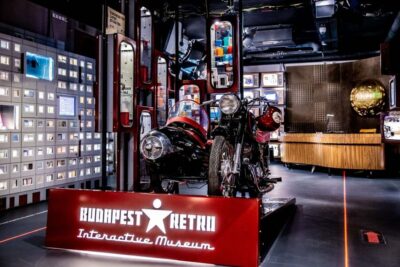
Communist History Tour with House of Terror Option
Read our review →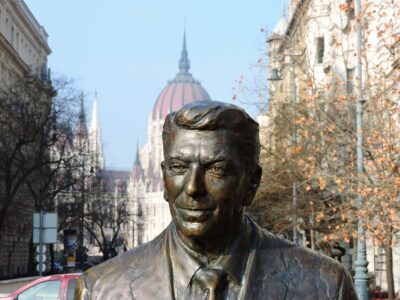
3-Hour Walking Tour About Communism (Small Group)
Read our review →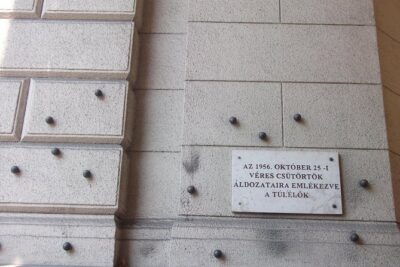
Memento Park Visit with Private Trabant Transfer
Read our review →
Browse the lists this tour appears in