
Reviewed · COMMUNIST HISTORY TOURS
Life Under Communism with House of Terror or Statue Park
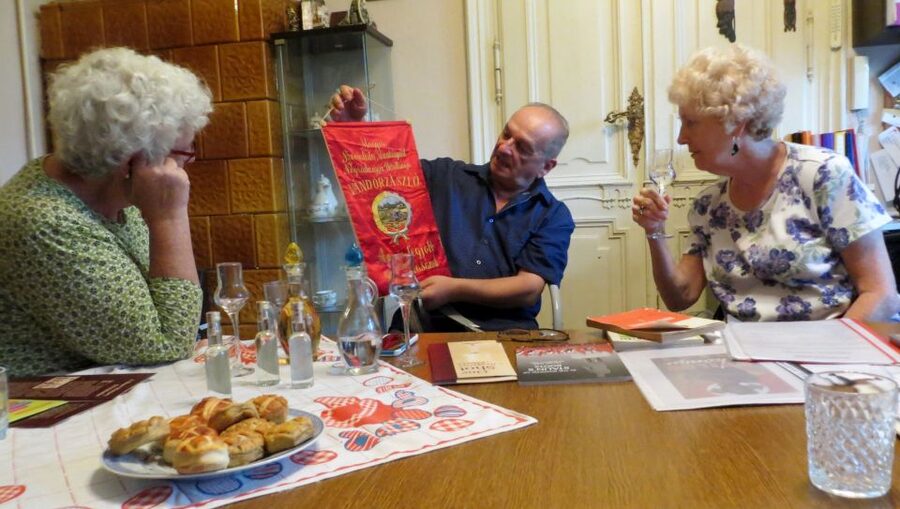
What makes this experience interesting is that it turns communist-era Budapest into a live, human-scale lesson, not a dry timeline. You start at Bambi Eszpresszó, then spend three hours getting a clear view of how the system shaped everyday choices from the 1960s to the late 1980s.
I really like that the tour is interactive and personal, led by Annamaria and Miklos, so you can ask questions and steer the focus to what you care about. I also like the practical setup, because the guide meets you at your accommodation and you go from there together.
One possible drawback to plan for: it is not suitable for people with mobility impairments, since it includes walking and getting around the city.
Key things to notice before you go
- Starts at Bambi Eszpresszó, a symbolic meeting place of the 1980s
- Interactive, tailored presentation, with room for real dialogue
- Clear explanation of how the communist system worked, on multiple levels
- Everyday life focus, from the 1960s through the late 1980s
- You may use public transportation during the tour, adding a local feel
- Private group format, priced per group up to 5
Why this Budapest communist tour feels like real life, not propaganda
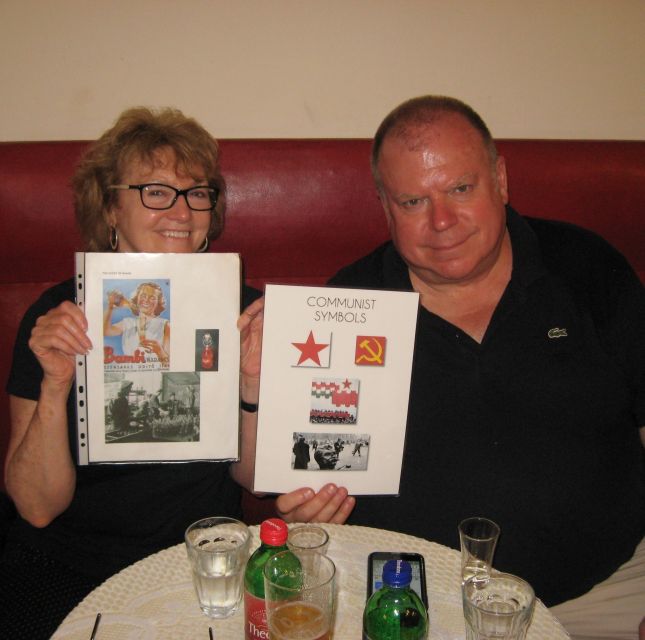
If you have ever wondered what communism meant in daily life, this tour is built for that question. It does not just explain politics in broad strokes. It translates the system into practical consequences: how people lived, what they navigated, and what changed over the decades.
I like experiences where the facts come with texture. Here, you get an overview of how the communist structure worked, then the guides connect it to the everyday world in Budapest. That contrast, between then and what you can still see today, is the hook.
And because the program is interactive, you are not stuck listening passively. The tour format is designed to adapt to your group’s interests and knowledge level, so the experience lands where you want it to land.
More communist-era history tours in Budapest:
- Budapest: Communist History Tour with House of Terror Option
★ 4.8 · 182 reviews - Budapest: 3-Hour Walking Tour About Communism (Small Group)
★ 4.7 · 70 reviews - Communism in Hungary with a Historian
★ 5.0 · 70 reviews
Meeting at Bambi Eszpresszó, a Budapest anchor from the 1980s
You begin at Bambi Eszpresszó, which the guides treat as a symbolic starting point for the 1980s. That matters more than it sounds. A setting like a classic espresso bar gives you a concrete mental picture of the social rhythm of the time, before you even get into the system.
This is also a good moment for orientation. The guide meets you at your accommodation in Budapest, then you head together to the first stop. That takes away the stress of figuring out logistics while you are trying to focus on history.
Practical tip: wear comfortable shoes and dress for weather. Even if you think of this as a lecture first, the day still includes moving around the city.
The 3-hour flow: presentation first, then a guided look at what remains
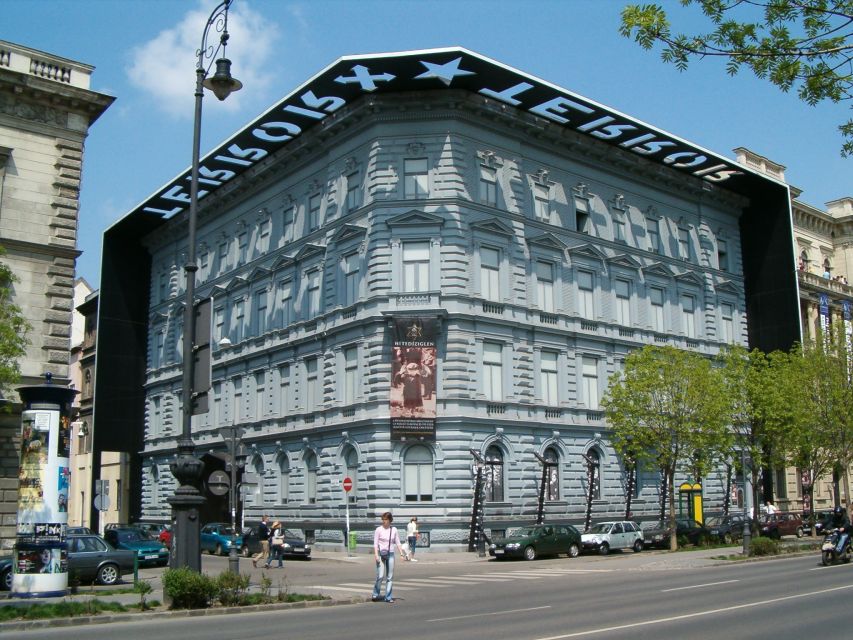
This is a three-hour experience with a personal presentation at its core, plus a guided walk-style component. The included materials are part of the learning approach, with some printed materials, notebooks, and pens.
Here is the key idea you should expect: you will get a structured overview of how the communist system worked, then you will spend time connecting those ideas to what everyday life felt like in Budapest. The guides also highlight how decades of communism impacted Hungary, including the remnants you can still spot today.
A tour like this works best when you come with curiosity, not a checklist. Ask questions as you go. The point is to turn abstract history into lived experience.
How the communist system is explained, on multiple levels
One of the strongest selling points is that you get an overview of the communist system on multiple levels. That usually means you are not just hearing slogans. You are learning how the system functioned, how it filtered into people’s routines, and how different levels of society experienced it.
In a format like this, the most valuable part for many people is the translation. You start with a big-picture understanding, then the guide helps you connect it to daily realities in Budapest. The tour also builds a bridge to the past fifty years, so you can make sense of what changed and why.
The guides, Annamaria and Miklos, run the program and aim to keep it conversational. One review even points out the ability to tailor the tour based on your interests and your group’s existing knowledge. That matters if you are coming in as a history buff, or if you just want a clear, human explanation.
A different way to spend a day in Budapest:
- Budapest: City Highlights Cruise with Welcome Drink
★ 4.6 · 35,610 reviews - Budapest: Unlimited Prosecco, Beer and Aperol Spritz Cruise
★ 4.8 · 25,310 reviews - Budapest: Széchenyi Spa Day Ticket with Optional Upgrades
★ 4.3 · 23,911 reviews - Budapest: Nighttime or Daytime Sightseeing Cruise
★ 4.2 · 21,062 reviews
Everyday life in Budapest: what you’ll notice from the 1960s to the late 1980s
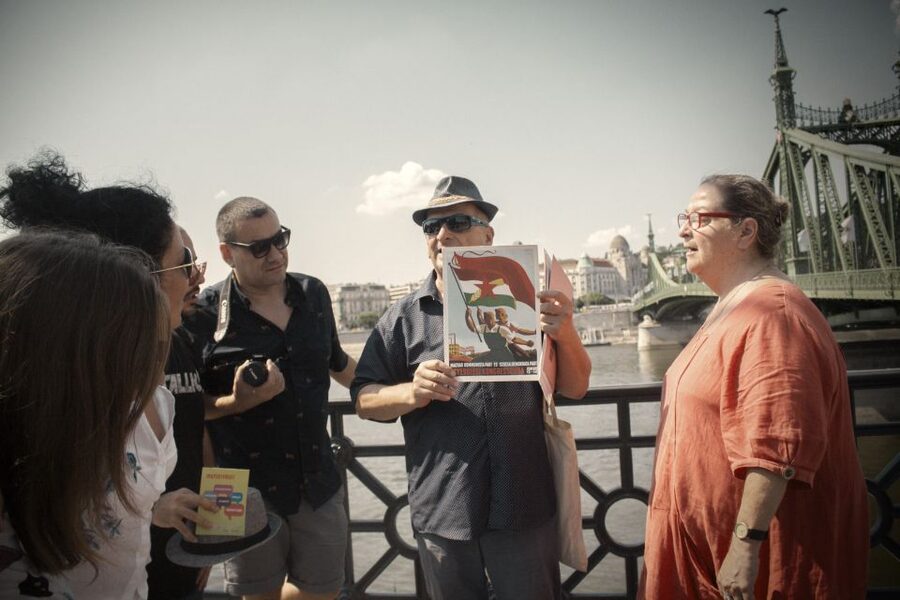
The tour spans the 1960s through the late 1980s, with a clear focus on everyday life rather than only political events. That time window is important, because it covers different phases of communist rule and shifting conditions.
What you should expect to learn is not just what people believed, but how their choices were shaped. The guide will highlight details of daily life in Budapest, then connect those details to how Hungary was affected over decades and what remnants remain.
This is also where an interactive format helps. Instead of you guessing what questions to ask, the guide structure nudges you toward the kinds of topics that matter: the feel of daily routines, how social life functioned, and how change unfolded over time.
The tour is a good fit if you like history that you can picture. If you prefer dates only, you might find this less satisfying. But if you want the human side, it hits the mark.
Walking and getting around: seeing Budapest with a guide’s lens
You are not just sitting with a lecture. You will tour together as part of the three-hour experience, and you may even get a chance to ride the public transportation system. That is a small detail, but it can change how the day feels.
Using local transit, even briefly, helps you read the city in context. Instead of moving through Budapest like a visitor, you get to experience it like part of a route the city actually supports.
The practical takeaway: plan your day so you can walk comfortably and handle getting around in real city conditions. Also note the tour is not suitable for mobility impairments, so if that applies, look for a different format.
Annamaria and Miklos: the guides are the whole point here
This experience is conducted by Annamaria and Miklos, and they lean into what good guiding looks like: clear communication, strong content, and the ability to adapt.
From the feedback you can learn a lot about the tone. The most common praise focuses on:
- picking you up at your hotel
- strong communication style
- tailoring the route and presentation to the group
- time for honest dialogue
Even one account mentions that the guide shared personal experiences from the Hungarian communist era. That kind of detail is exactly what turns history into something you can understand, not just remember.
If you want a tour that treats you like a conversation partner, not a passive audience, this is a good match.
Price and value: $282 per group up to 5 for a private format
At $282 per group up to 5, this is priced for people who want privacy and a guide who can adapt. You are not paying for a big crowd experience. You are paying for a small-group conversation with a personal presentation and materials.
Value usually comes down to this: how much you will actually get out of the guide time. Because it is private and the tour is designed to tailor to your interests, couples, small families, and small friend groups often feel like they get more out of it than a standard group tour.
Duration also matters. Three hours is long enough for meaningful explanations and interaction, short enough to fit into a busy Budapest schedule.
A simple way to decide: if you and your group are the type who will ask questions and use that time well, this is good value. If you want maximum walking sights per hour, you might prefer a more site-heavy political history tour.
What to bring and how to prepare so the day goes smoothly
This is one of those tours where small preparation makes a big difference. The essentials are:
- Comfortable shoes
- Weather-appropriate clothing
- Comfortable clothes
Since food and drinks are not included, plan a meal before or after. Build in time to regroup after the tour, especially if you are pairing it with another stop later.
Also keep expectations aligned with the format. You will receive printed materials and writing tools like notebooks and pens. So if you like note-taking, bring a phone for photos, then let the guide’s notes and materials do the heavy lifting.
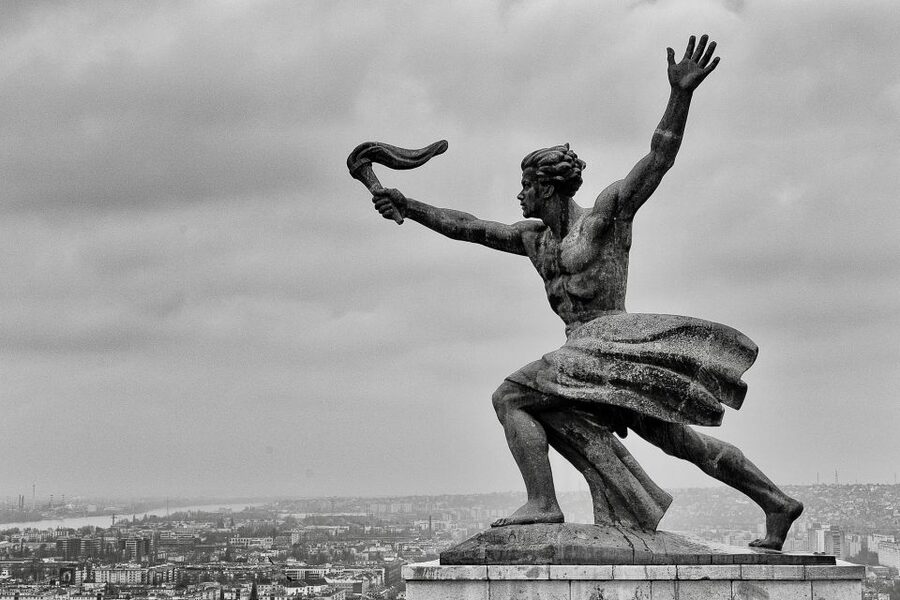
Pairing it with House of Terror or Statue Park for a fuller picture
The title mentions pairing with House of Terror or Statue Park, and that makes sense as a planning idea. One program tends to focus on the story through a specific set of monuments and curated sites. This one focuses on everyday life, the way the system filtered into real routines.
If you are trying to understand the full arc of communist rule and its aftermath, combining an everyday-life explanation with a more explicitly memorial or interpretive visit can help you see both angles: how it felt day to day, and how it is remembered and represented.
Just keep your pacing smart. Two heavy history experiences in one day can start to feel heavy. If you do pair them, give yourself time between, so you can process and compare what you learn.
Who should book, and who might want a different style
You should book this tour if:
- you want everyday life under communism, not only big events
- you like interactive guiding and space for questions
- you are traveling in a small private group and want tailored attention
- you want to understand what changed in Hungary over the past fifty years, and what remnants still show
You might skip it if:
- you need an option designed for mobility limitations
- you only want major landmarks and photo stops, with minimal talking
- you are looking for food or a built-in break, since neither is included
Should you book Life Under Communism in Budapest?
Yes, if your goal is understanding communism as lived experience. The private format, the guided pickup from your accommodation, and the interactive presentation with Annamaria and Miklos make it a strong choice for small groups who want clarity and context.
If you want a history lesson that you can picture, and you like asking questions as you go, this is a very solid use of three hours in Budapest. For the best day, wear comfortable shoes, plan for walking, and schedule it so you are not rushing straight into a second heavy history stop.
FAQ
Where does the tour start?
The tour starts at Bambi Eszpresszó in Budapest.
How long is the experience?
The duration is 3 hours.
Is it a private group, and how many people is it for?
It is a private group, and the price is listed per group up to 5.
What languages are available?
The live tour guide is available in English, German, and French.
What’s included in the tour?
You get an interactive, personal presentation plus some printed materials, notebooks, and pens. Pickup is also included.
Is food or drinks included?
No. Food and drinks are not included.
Is transportation included?
Pickup is included, and you make your way to the first stop together. Transportation is listed as not included, though the program may involve getting around as part of the tour.
Is this tour suitable for people with mobility impairments?
No. It is listed as not suitable for people with mobility impairments.
Can I cancel, and is there a pay-later option?
Yes. There is free cancellation up to 24 hours in advance for a full refund, and there is also a reserve now & pay later option.
Recently reviewed around Budapest
- Panoramic hike around Budapest★ 5.0 · 14 reviews
- PRIVATE (7 hours) Budapest and Szentendre city tour with lunch and winetasting★ 5.0 · 4 reviews
- Original Budapest Walking Tour★ 4.0 · 39 reviews
- Budapest Highlights Self guided scavenger hunt and Walking Tour★ 5.0 · 5 reviews
- Hungarian Gastro Cellar: Assisted Tasting Options★ 4.5 · 5 reviews
- Original Budapest Alternative Street Art & Jewish Tour★ 4.5 · 14 reviews
- Bratislava, one day private trip from Budapest with guide!★ 5.0 · 4 reviews
- One hour Hen or Stag private party boat Budapest with unlimited beer and wine★ 3.5 · 6 reviews
Communist History Tours, compared.
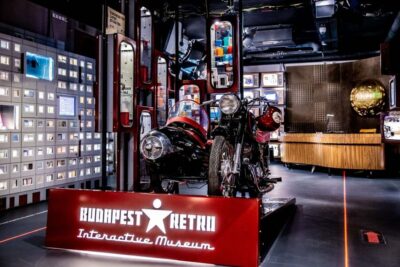
Communist History Tour with House of Terror Option
Read our review →
3-Hour Walking Tour About Communism (Small Group)
Read our review →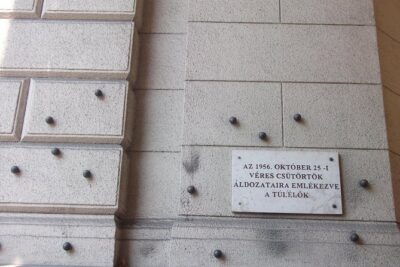
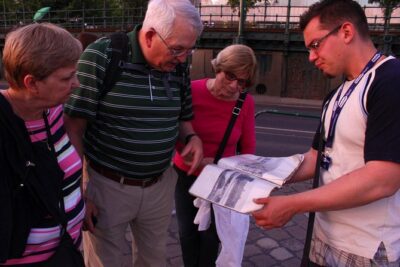
Lives of Hungarians Under Communist and Capitalist system
Read our review →
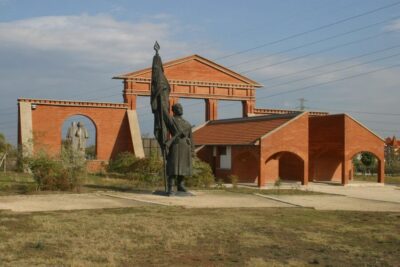

Memento Park Visit with Private Trabant Transfer
Read our review →Browse the lists this tour appears in