
Reviewed · WALKING TOURS
Budapest Grand Walk
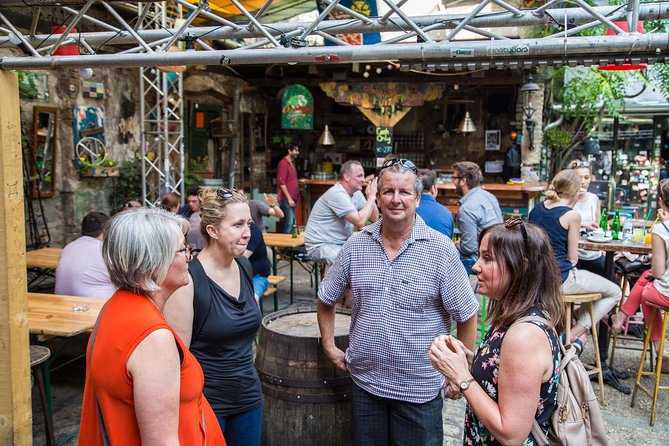
This is a mid-afternoon Budapest walking tour that mixes big landmarks with the quieter streets between them. You start with a glass of Hungarian sparkling wine, then you walk, pause for stories, and ride a couple of public-transport links so you spend less time figuring things out and more time looking around.
I especially like the way the route ties sights to events people actually talk about, from 1956 back through earlier chapters. I also like the smart breaks built into the day, including a coffee stop and that classic Danube photo sweep. The main consideration is that this is a moderate walking tour, and it can run a bit longer if you are not in a rush.
Key highlights worth knowing
- Sparkling wine start at a wine cellar before you even hit the streets
- Small-group feel with a maximum of 8 guests, so questions actually get answered
- Heroes Square, Andrassy Avenue, and St. Stephen’s Basilica in one concentrated walk
- Jewish Quarter focus plus key sights around the Grand Synagogue area
- Europe’s oldest metro line (M1) used as part of the experience
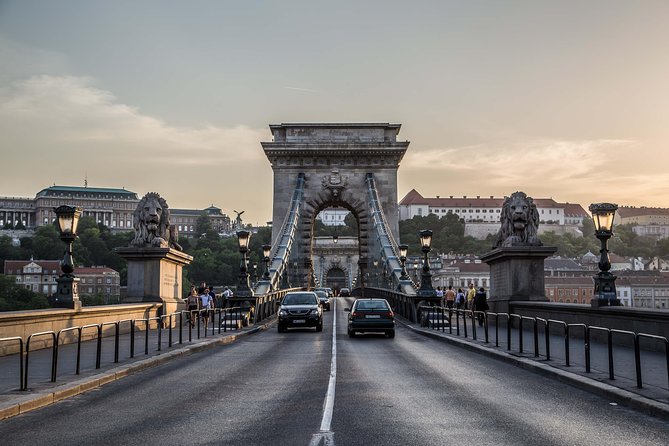
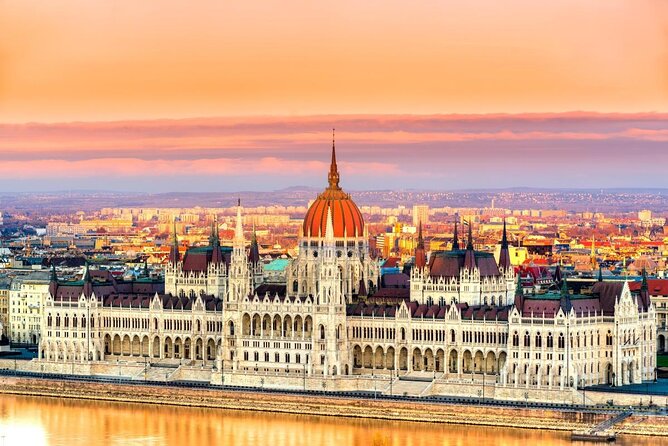
- Danube moments like the Shoes on the Danube Holocaust memorial and top views of Parliament, Chain Bridge, and Buda Castle
Entering Budapest with wine, then walking like locals
Budapest is the kind of city where the details matter. The façades, the street layouts, even the way bridges shape daily life can feel random if you see them without context. This tour is built to give you that context fast, with a route that blends Pest landmarks and Buda Castle area views in about four hours.
You meet in the Palace District area at Tasting Table Budapest, a wine-shop meeting point, and you start with an aperitif of Hungarian sparkling wine. That first sip sets the tone, and it is also a practical start point, since you can regroup before the walking begins.
The day is designed for photo stops and questions, not a sprint. One thing to keep in mind: if you have a hard dinner reservation right after, let your guide know up front. The tour is listed as about four hours, but it can stretch beyond that if the pacing works for the group.
More walking tours in Budapest:
- Budapest: Buda Castle Walk with Saint Stephen’s Hall
★ 4.5 · 3,012 reviews - Big Bus Budapest Hop-On Hop-Off Bus and Walking Tour
★ 3.5 · 2,206 reviews - Budapest: Buda Castle District Walking Tour
★ 4.6 · 2,108 reviews
Tasting Table Budapest: aperitif, then you get the lay of the land
The tour begins at Tasting Table Budapest on Bródy Sándor u. 22, and you start in the mid-afternoon. From there, you head into Pest, where so much of the city’s grand architecture sits right where you can see it without climbing a hill.
That opening stop is not just about the drink. It gets you oriented in a part of the city that often looks different from the postcard views. After the aperitif, your guide starts connecting what you see with what shaped Budapest, including political upheavals and everyday city life.
If you like tours where the guide talks, but also answers, this is the setup. You are not just handed facts. You are walking through streets long enough to notice what they mean.
Pest power corridors: Andrassy Avenue, Opera House, and 1956 street stories
Once you are moving through Pest, you get the classic showpieces without losing the in-between. You pass the Hungarian State Opera House on Andrássy út, with its neo-Renaissance styling attributed to architect Miklós Ybl. Even if you just view the exterior, it helps to know what kind of building this is and why it belongs on this boulevard.
You also go through the Palace District area where you will see the Hungarian National Radio Building, tied to the 1956 revolution. This is the kind of stop that makes a street feel less like scenery and more like a timeline. You are seeing a landmark, but you are also learning what role it played when people needed information and voice.
Andrassy Avenue itself is one of those places where Budapest looks like it studied European capitals on purpose. Walking here helps you understand why the grand buildings feel so aligned and why the avenue works as a spine for sightseeing.
St. Stephen’s Basilica: a church stop that actually earns time
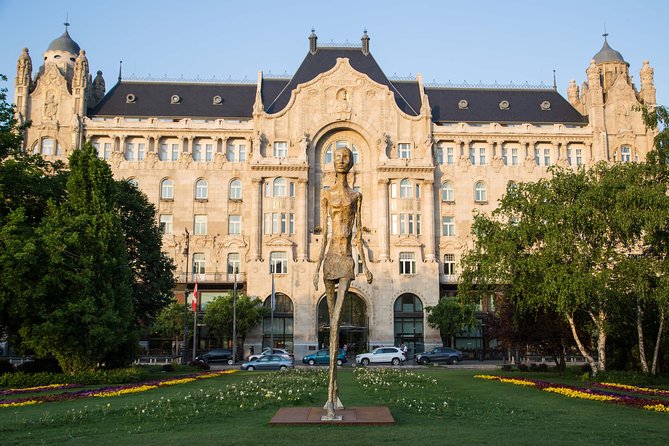
St. Stephen’s Basilica is your next major landmark stop. It is named for Stephen, the first King of Hungary, and a detail you do not see in many quick photo stops is that the church houses his mummified right hand. That fact alone gives you a reason to linger, even if you are not usually drawn to religious sites.
You get about 15 minutes at the basilica area, which is enough time to look carefully and then move on with the group. The trick with this kind of stop is to decide early what you want to focus on, interior symbolism or exterior scale, so you do not spend the whole time half-reading and half-aiming your camera.
I like that the tour does not treat the basilica as a standalone box. It is part of the larger story of Hungary’s identity, set alongside the political and cultural buildings you see in Pest.
A different way to spend a day in Budapest:
- Budapest: City Highlights Cruise with Welcome Drink
★ 4.6 · 35,610 reviews - Budapest: Unlimited Prosecco, Beer and Aperol Spritz Cruise
★ 4.8 · 25,310 reviews - Budapest: Széchenyi Spa Day Ticket with Optional Upgrades
★ 4.3 · 23,911 reviews - Budapest: Nighttime or Daytime Sightseeing Cruise
★ 4.2 · 21,062 reviews
The M1 metro ride and coffee break that make the walk easier
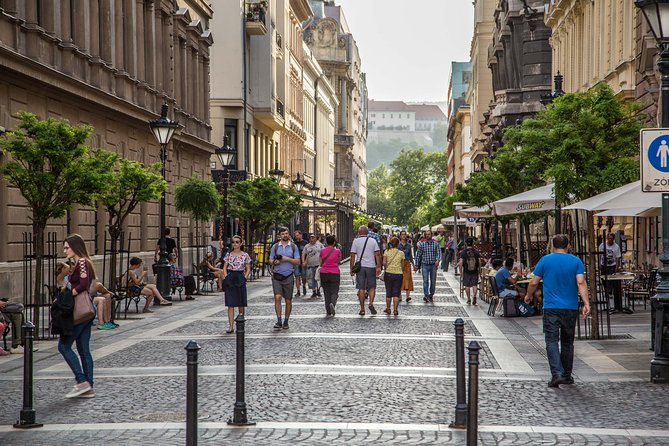
After the basilica stop, you hop onto Europe’s oldest metro line, the M1. You are not just riding for convenience. The metro link is part of how Budapest moves, and it helps you connect zones quickly while keeping your walking time reasonable.
You also get a coffee break at a favorite local café during this stretch. If you do not drink coffee, you might still find a workable option, and some groups have reported sweet stops like dessert and lemonade during mid-tour breaks. Either way, it is a good moment to reset your legs and recharge for the Danube portion coming next.
This is also where the tour becomes practical for first-timers. You see a big chunk of central Budapest without doing the mental math of how to get from one end of the river walk to the other.
Jewish Quarter highlights: Grand Synagogue area and street atmosphere
The tour spends time in the former Jewish Quarter, focusing on major landmarks and the street-level feel of the area. You will see the Grand Synagogue, described as Europe’s largest, plus the Gozsdu udvar complex and Király utca.
What I like about this portion is that it is not only about the famous building. You get a sense of how the area works day to day, with streets that keep activity going even when you are looking at heavy history nearby. That street context matters because it helps you understand why these spaces are remembered and also why they remain part of the city’s everyday rhythm.
One caution, though: this is also an area where emotions run high. Give yourself a few seconds when the group pauses. It is okay to take in what you are seeing rather than racing for the next photo.
Heroes Square and Andrassy Avenue connections you can actually connect
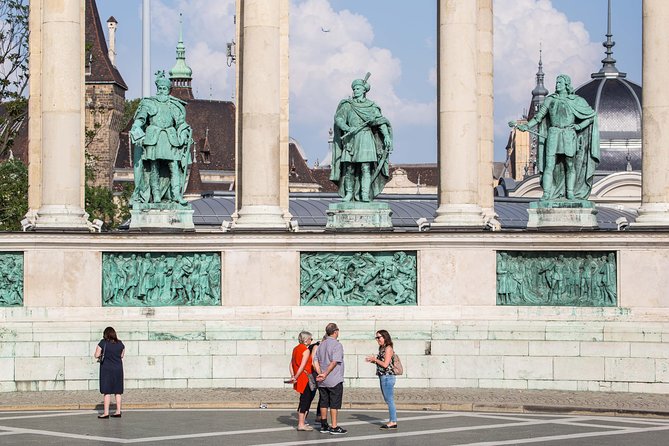
If you are standing in Budapest without a framework, Heroes Square can feel like one more big square. On this tour, it fits into the same narrative thread as Andrassy Avenue and the broader story of Hungary’s public life. You will see Heroes Square as part of the sightseeing flow, which helps you place it relative to the city’s main ceremonial boulevard energy.
Because the tour is organized as walking plus a metro segment, the distances start to make sense. That means you end the tour with a map in your head, not just a list of sites.
Danube viewpoints: Parliament, Chain Bridge, and the Shoes memorial
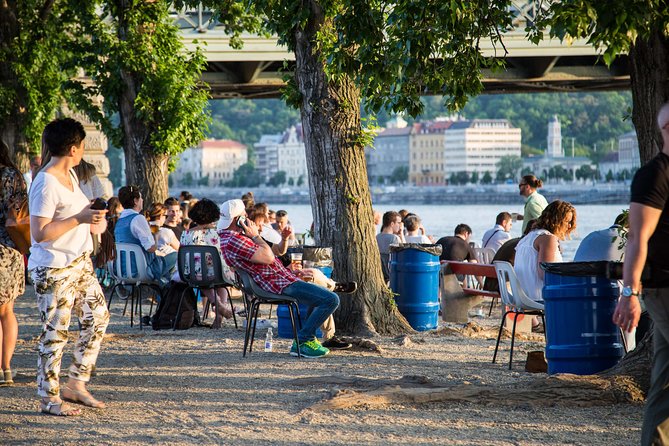
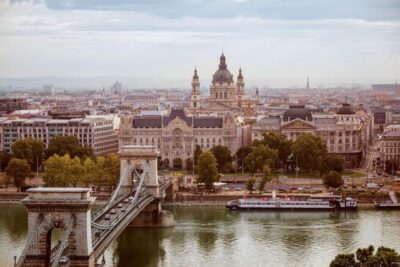
The river is where Budapest becomes instantly memorable. The tour makes sure you see the Danube’s key viewpoints from the right angles, including the sweeping view lines back toward the important buildings on the Buda side.
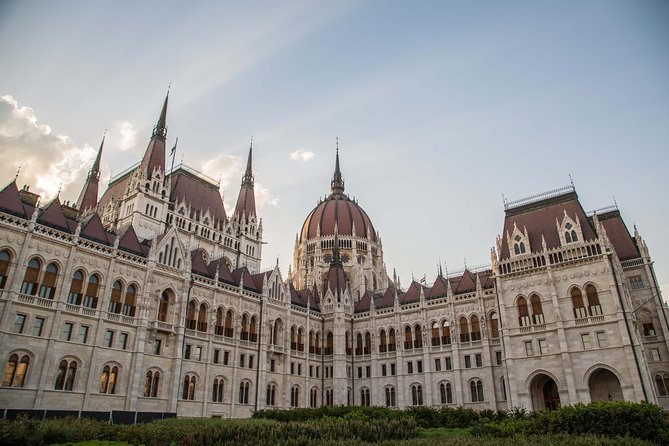
You admire the neo-Gothic Parliament building dominating the Danube bank, and you also get time for wide river panoramas that include the Chain Bridge and Buda Castle across the water. If you like architecture, this part delivers, because you see how the city’s design language works across both banks.
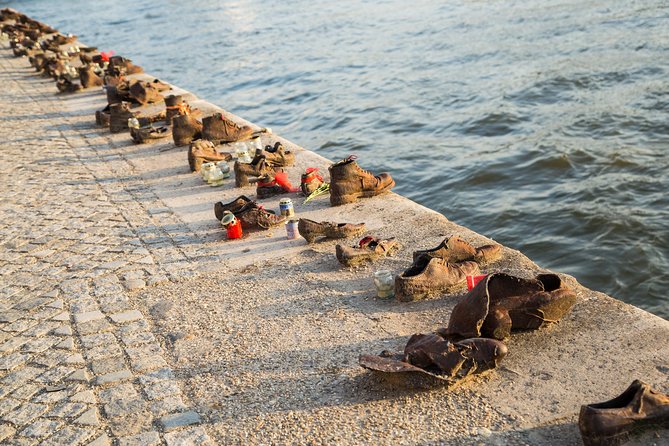
Then comes one of the most important stops: the Shoes on the Danube Holocaust Memorial. This memorial is not the kind of thing you can skim. It is meant for stillness and attention, and the guide’s framing helps you understand why it sits exactly where it does, along the waterline.
Also be prepared for other monuments in this same river-view zone, including the Soviet Monument and the tour’s note about memorials connected to people such as a US major and Ronald Reagan.
Buda Castle area: courtyards, shops, and why it feels alive
Your tour ends near Chain Bridge on the Pest side, and you have the option to cross into the Buda Castle area on your own after the guide departs. Even though you are not staying guided the whole way up into the castle grounds, the tour sets you up to explore with confidence.
If you do cross, you will see the Buda Castle complex of seven buildings with connected courtyards. Those courtyards are lively, with shops and places to eat, so it is not just a museum zone. It is a part of Budapest people use, which is exactly why the views matter.
This is also where you can keep building the picture from the Danube. Standing in the courtyards helps you understand why the river walk perspective looks the way it does, and why the bridges are vital for how the city functions day to day.
Guides who keep it human: Aniko and Angela examples
The biggest difference between an average walking tour and a great one is how the guide handles questions. In tours led by guides like Aniko and Angela, the experience is described as highly informative, with very strong English and a teaching style that connects dates and events to what you are standing in front of now.
One standout detail from a tour with Aniko is how the storytelling stretched from roughly 800 AD through the present, with specific dates and a careful approach to official accounts versus what people believe. That kind of nuance is hard to fake, and it is exactly what turns a sightseeing walk into something that sticks.
So when you book, I suggest you come with at least a couple of questions. Ask why something was built, what changed over time, or what people remember from 1956. This tour format rewards that curiosity.
Price and value: $125 for a guided day that covers a lot
At $125 per person for around four hours, this is not a bargain-basement walking tour. But it is also not priced like a private guide day. The value is in the mix: major sights, Jewish Quarter focus, the Danube memorial, a metro ride, and built-in breaks for wine and coffee.
If you are visiting for the first time, the value angle is simple. You are getting a guided route that connects places across the city without you needing to design an itinerary. And you are doing it in a small shared group format, max 8 guests, which is where you usually start getting better Q&A and less standing in silence.
If your main goal is one or two headline photos only, you might find a shorter or cheaper tour fits better. But if you want a guided framework for understanding what you are seeing across Pest and toward Buda Castle, this price makes sense.
Practical tips to make the 4 hours feel easy
Bring comfortable walking shoes. The tour involves moderate walking, and you will be moving through multiple neighborhoods and viewpoints. If you hate blisters, deal with it before day one.
Wear layers. Budapest afternoons can shift, and you will be outdoors between stops, especially during the Danube viewing part. Also, plan to be ready for photos because there are many stops for pictures and questions.
One more practical angle: decide your caffeine plan. Coffee is included as part of the café break. If you prefer tea, you still get coffee and/or tea included, so you can match the break to your preferences.
Finally, if you are pressed for time after the tour, tell your guide at the beginning. The walking pace and the optional extensions toward Buda Castle can affect how long the overall experience feels.
Should you book the Budapest Grand Walk?
Book it if you want a single guided day that covers Pest’s major landmarks, the Jewish Quarter highlights, a Danube memorial stop that deserves attention, and the best river viewpoints without you building a route from scratch. It is especially good for first-timers who like history explained in plain language, plus people who enjoy small-group walking tours with time to ask questions.
Skip it if you want a laid-back, low-walking evening plan or if you are only chasing one neighborhood. This one is about getting your bearings fast across Budapest, and that only works if you are ready to walk and look.
FAQ
How long is the Budapest Grand Walk?
It is about 4 hours.
What does the tour cost?
The price is $125.00 per person.
Is the tour in English?
Yes, it is offered in English.
Where do I meet the guide?
Meet at Tasting Table Budapest at Bródy Sándor u. 22, 1088 Hungary.
Where does the tour end?
The tour ends near the Chain Bridge on the Pest side at Széchenyi Lánchíd, Hungary.
How big is the group?
It is a shared small-group tour for 2 to 8 guests, with a maximum of 8 travelers.
What is included besides the guide?
A glass of Hungarian sparkling wine at the start, a coffee break with coffee and/or tea, a few short trips on public transportation including the continent’s oldest metro line, and alcoholic beverages.
Does the tour include public transportation?
Yes. You will take a few short rides, including the oldest metro line in continental Europe.
Is walking involved?
Yes, there is a moderate amount of walking. Comfortable shoes are recommended.
What is the cancellation policy?
This experience is non-refundable and cannot be changed for any reason. If the minimum number of travelers is not met, you will be offered an alternative or a full refund.
Recently reviewed around Budapest
- Panoramic hike around Budapest★ 5.0 · 14 reviews
- PRIVATE (7 hours) Budapest and Szentendre city tour with lunch and winetasting★ 5.0 · 4 reviews
- Original Budapest Walking Tour★ 4.0 · 39 reviews
- Budapest Highlights Self guided scavenger hunt and Walking Tour★ 5.0 · 5 reviews
- Hungarian Gastro Cellar: Assisted Tasting Options★ 4.5 · 5 reviews
- Original Budapest Alternative Street Art & Jewish Tour★ 4.5 · 14 reviews
- Bratislava, one day private trip from Budapest with guide!★ 5.0 · 4 reviews
- One hour Hen or Stag private party boat Budapest with unlimited beer and wine★ 3.5 · 6 reviews
Walking Tours, compared.
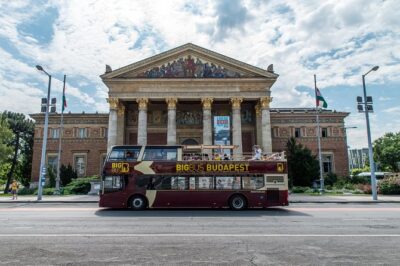
Big Bus Budapest Hop-On Hop-Off Bus and Walking Tour
Read our review →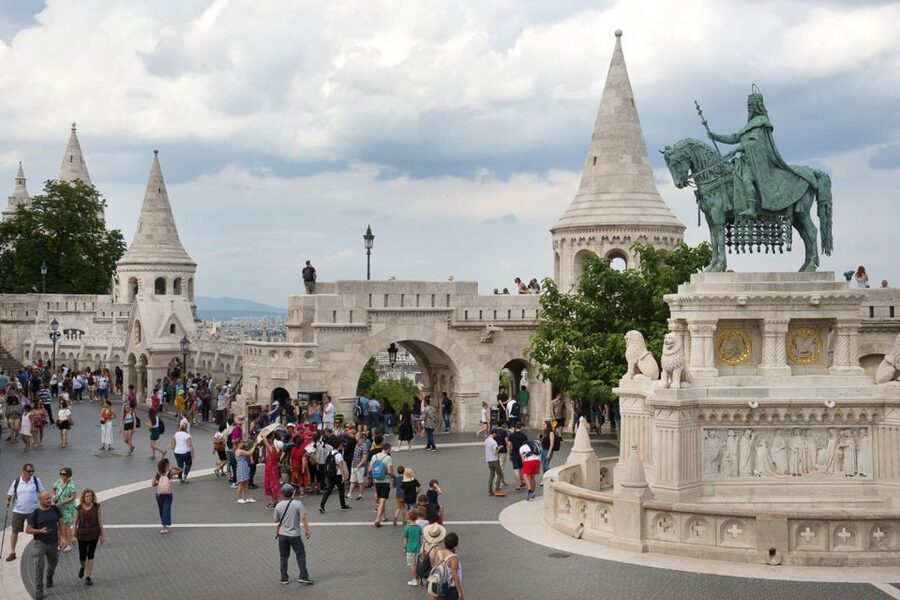
Budapest City Landmarks Walking Tour in 2 Hours
Read our review →
3-Hour Orientation Walking Tour of Buda and Pest
Read our review →
Budapest Historical Sightseeing – Free Walking Tour
Read our review →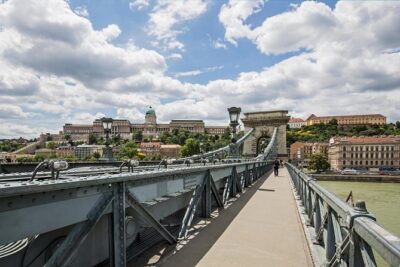
Budapest All in One Small Group Walking Tour with Strudel Stop
Read our review →Browse the lists this tour appears in