
Reviewed · COMMUNIST HISTORY TOURS
Memento Park: Official Guided Tour with Entry Ticket
Memento Park is interesting because it turns political propaganda into giant, walkable sculpture. I love how the tour helps you read the statues, and I also like the way the guide connects what you see to daily life under communist rule, with Ildi leading the way in English. The one downside to plan for: this is a history-focused visit, not just a photo stroll.
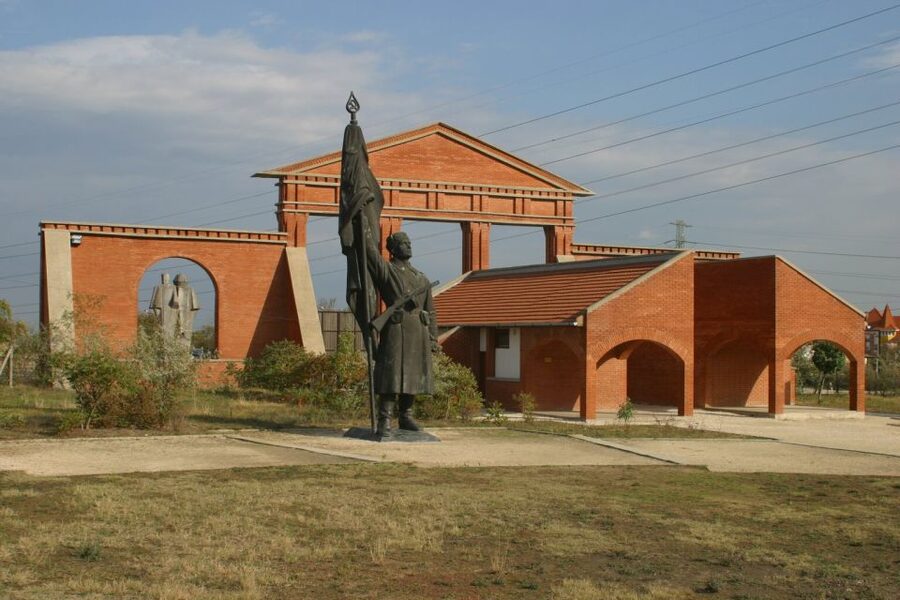
After you meet your guide and get your ticket checked, you’ll start outside, at Witness Square, then move through the museum grounds toward Statue Park and the End Wall. Bring comfortable shoes, because the promenades are gravel, and the pace involves steady walking, even though the core program is around 70 minutes.
Key moments you should care about
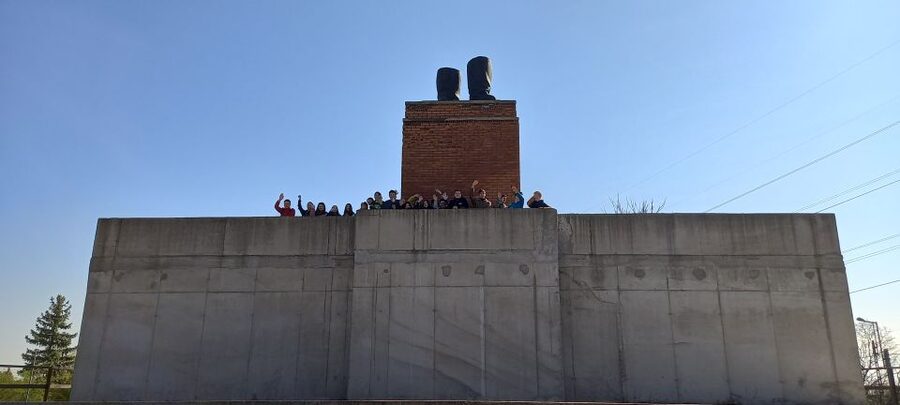
- Stalin’s Grandstand and hidden rooms: more than viewpoints, you learn what those spaces were for.
- Waving Balcony perspective: you’ll get a specific view and a story to match it.
- Trabant photo stop: a retro car moment that makes the era feel more real.
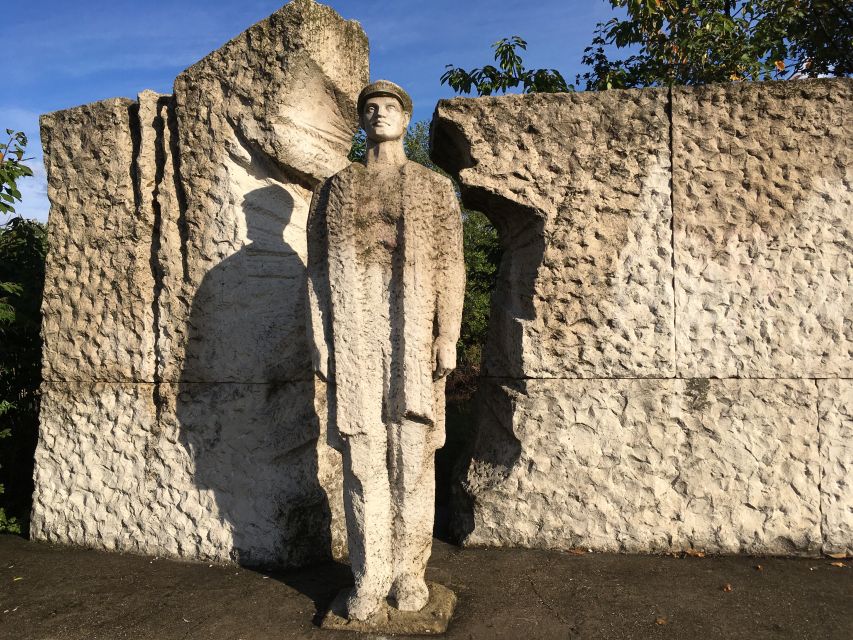
- Propaganda statues you can actually interpret: workers, Hungarian figures, international communist icons, and major events explained in plain language.
- Interactive Q&A: you can ask questions as you go, and the guide answers on the spot.
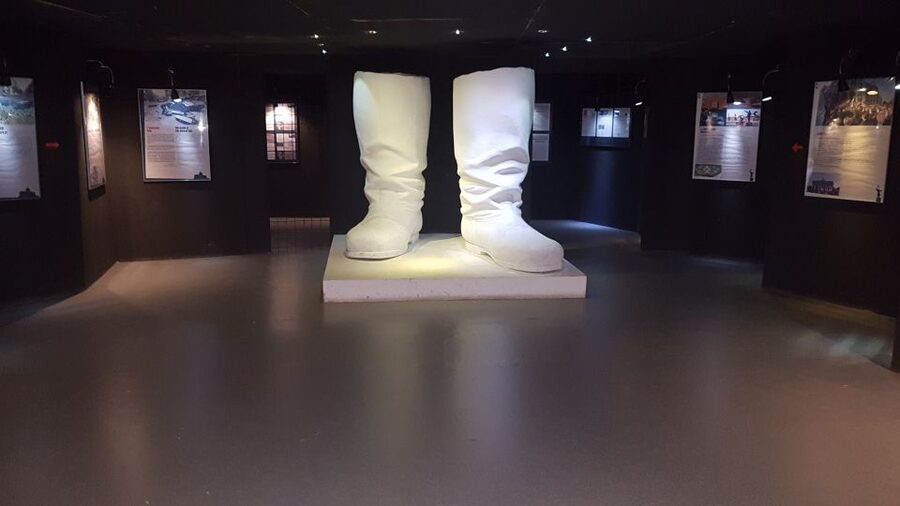
- Final self-guided time: photos, souvenir browsing, plus movie show and exhibitions in The Most Cheerful Barrack.
Why Memento Park hits differently than a normal sculpture walk
Most outdoor statue parks are about art and atmosphere. Memento Park is about messaging. You walk among bronze giants built to impress, command attention, and steer beliefs. With a good guide, it stops feeling like shock-value history and starts feeling like a readable system: who is shown as important, what labor is praised, and how leaders are positioned as inevitable.
I especially like that the tour doesn’t treat the statues as untouchable relics. You’re taught how to decipher what you’re looking at, so the symbols start making sense instead of just looking intimidating or strange. And because the park includes places tied to the original propaganda setup, you’re not only seeing objects, you’re seeing spaces designed to produce an effect.
One practical note before you go: if you’re after a casual outing with minimal context, you might feel the weight of the subject. If you want context, you’re in the right place. This visit aims to explain daily life under the communist dictatorship, not just the aesthetic.
More communist-era history tours in Budapest:
- Budapest: Communist History Tour with House of Terror Option
★ 4.8 · 182 reviews - Budapest: 3-Hour Walking Tour About Communism (Small Group)
★ 4.7 · 70 reviews - Communism in Hungary with a Historian
★ 5.0 · 70 reviews
Getting started at the cash desk and Witness Square
Your experience begins at the park itself. You meet your guide at the desk in Memento Park, and you present your voucher or ticket first. Plan to arrive about 15 minutes early so you can check in without stress and join your group on time.
From there, the walking route starts at Witness Square, the area in front of the park. This matters because it sets the tone. The guide frames what you are about to see and explains why the park was created the way it was. Even before you reach the big bronze figures, you understand the logic of the layout.
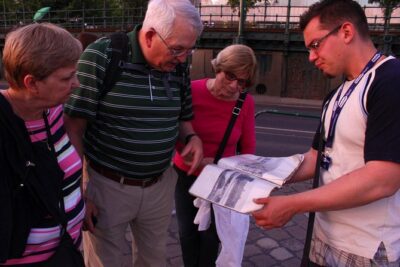
You’ll learn the tour is structured and paced, with stops that lead into explanations. The program is interactive, and questions are welcome. English is available with a live guide, so you’re not stuck with vague labels. That’s one of the biggest reasons the tour feels worth it, even though entry is already included in the ticket price.
Stalin’s Grandstand and the hidden rooms you’ll want explained
The first big phase is the outside museum experience, with Stalin’s Grandstand as a highlight. The guide walks you through what the grandstand was meant to do, and how it connects to the political theater of the era.
What surprised me in how practical the explanations are. Instead of leaving you with symbolism only, the guide points out how architecture and sightlines reinforce power. You’re not just staring at a landmark, you’re learning the purpose behind it.
A standout detail is the mention of hidden rooms. That’s exactly the kind of thing you would normally miss on your own. These spaces help you understand that the park is not only a display of statues, it’s also a record of how the system worked and how events were staged.
If you like history, architecture, or propaganda studies, this portion is where the tour earns its time. If you’re sensitive to politically heavy themes, you can still handle it, just expect the conversation to be direct.
The Waving Balcony view and a quick, fun photo reset
Next comes a section that mixes atmosphere with a specific viewpoint. From the Waving Balcony, you get a fascinating view to the surroundings and to a historic element in the park. This is one of those stops where your brain connects the words from the guide with what your eyes can see.
Then you get a photo moment in the park with a retro car, the Trabant. It might sound like a gimmick, but it works because it breaks the long stretch of solemn monuments. The Trabant photo doesn’t erase the theme, it gives you a human scale. It also helps you remember the era by something everyday and recognizable rather than only bronze spectacle.
After this, you move toward Statue Park, where the tour shifts fully into the interpretation of the propaganda figures.
A few more Budapest tours worth comparing
- Budapest: Széchenyi Spa Day Ticket with Optional Upgrades
★ 4.3 · 23,911 reviews - Budapest: Parliament Building Entry Ticket and Audio Guide
★ 4.5 · 3,844 reviews - Budapest: Full-Day Gellért Spa Ticket
★ 4.2 · 3,340 reviews - Budapest: Cinema Mystica Entry Ticket
★ 4.3 · 3,103 reviews
Statue Park: learning to read communist symbols along the path
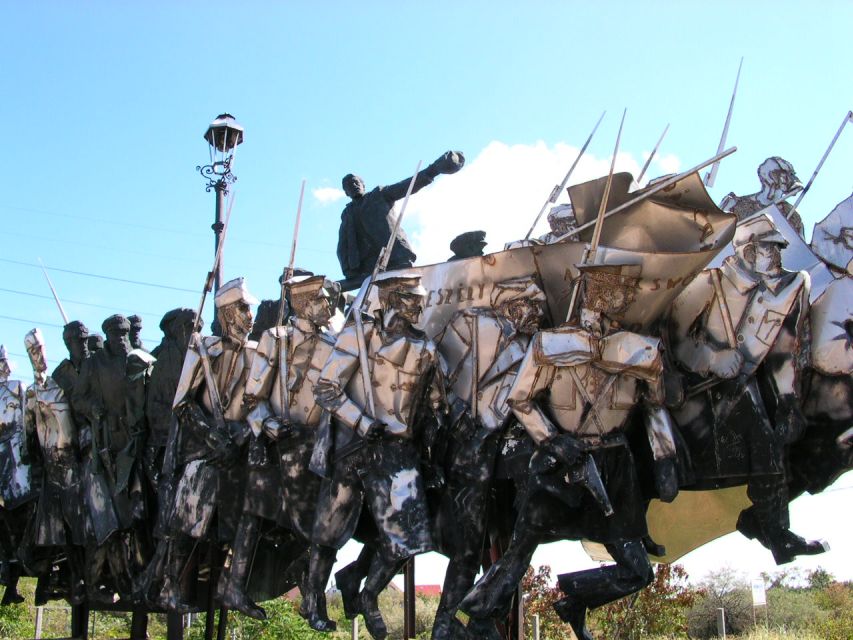
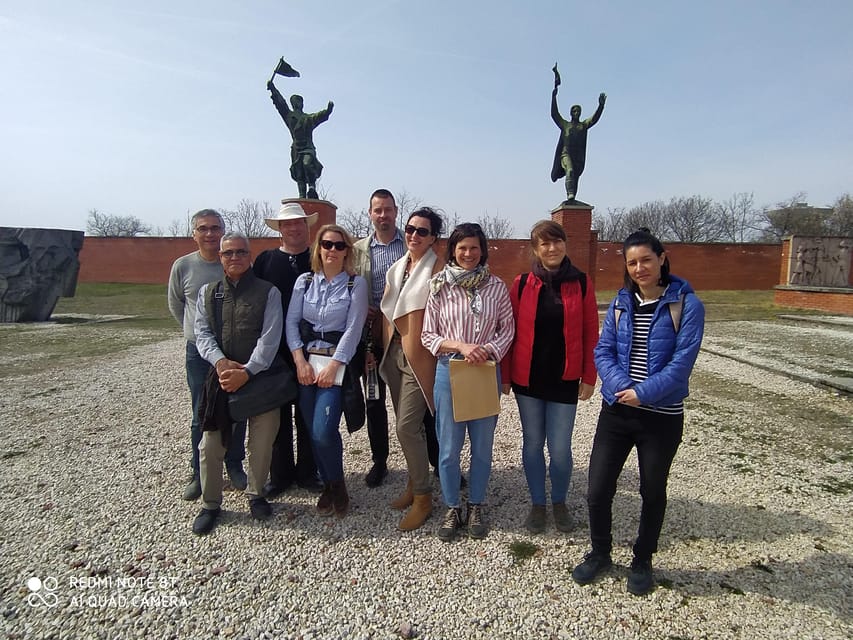
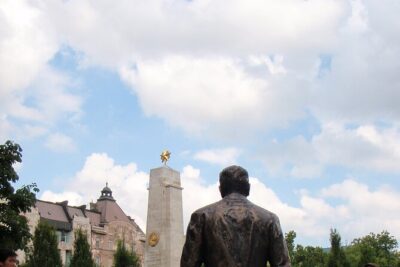
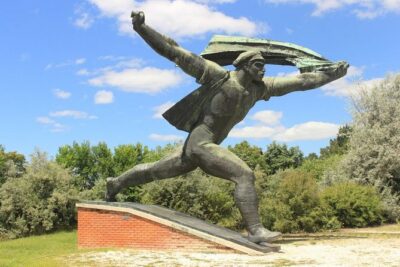
Statue Park is the core attraction. Here, your guide introduces the unwanted remnants of the communist era, and you walk along political propaganda statues that depict workers, Hungarian and international communist persons, and outstanding events of the workers’ movement.
What makes this part valuable is the translation layer. Many people see statues like these and only feel general emotions: awe, discomfort, confusion. A guided explanation gives you a toolkit. You start noticing recurring themes and stylistic choices that signal the message the makers wanted to send.
As you walk, you’re learning the structure of propaganda:
- Who is centered and why
- What kind of labor is honored
- How international figures are presented
- How major events are turned into permanent symbols
The guide keeps the context tied to everyday life under the Iron Curtain. That connection is important. It turns the park from a list of names into an explanation of how public visuals tried to shape private reality.
Also, because the tour is interactive, you can ask questions as you go. That keeps you from getting lost in the middle. If you’re the type who reads signage slowly, you’ll like the guided pacing more than self-guided wandering.
End Wall, then your time for photos, souvenirs, and the movie show
The tour portion concludes at the End Wall. At that point, you shift from guided interpretation to independent exploration. You’ll have time to take photos, check out the souvenir shop, and watch the movie show.
There’s also time to see exhibitions in The Most Cheerful Barrack. The name is a clue that the place plays with tone, and it can add a strange, unintended layer to what you’ve been learning. One of the most memorable side details is that you may come across soviet-era spy recruitment films during the movie show. The vibe can be funny in spite of the topic, and that contrast is part of what makes it stick.
This self-guided slot is useful because it lets you revisit what hit you most. Maybe a statue felt especially heavy, maybe a particular architectural detail was confusing. Now you can slow down and focus on your own questions.
Don’t rush this time. Even 15 to 30 minutes of extra looking helps you make sense of what you learned during the guided walk.
Price and value: is $28 worth your time?
The price is listed around $28 per person, and it’s worth thinking of it as paying for interpretation, not just entry. Admission gives you access to the park, but the guided component is what turns the experience from confusing to meaningful.
You get several value drivers:
- A live English guide who explains architecture and symbolism
- A structured walk from Witness Square to Statue Park and the End Wall
- Interactive Q&A so you can clear up confusion in real time
- Included time to explore the park after the main tour segment
There’s also a practical value angle. If you don’t want to waste time figuring out where to start, having a set meeting point and a guide waiting at the cash desk reduces friction. The tour also includes time for photos and internal show/exhibitions, so you don’t feel like you’re only paying for a quick outdoors loop.
Is it free time-friendly? Not exactly. Expect some walking, gravel underfoot, and a history theme that asks your attention. If you want a fast, entertainment-only outing, you’ll probably feel the cost more than the benefit. If you want context and you like understanding how messages are built, it’s a strong deal.
Timing, walking, and what to wear (because gravel is real)
You should plan for about a day, even if the main guided section is roughly 70 minutes. The program is designed as a guided experience, and the park visit continues afterward with extra viewing time.
Memento Park sits in the outskirts of Budapest. Public transport takes about 40 minutes, so treat it like a commitment, not an afterthought. If you can, plan your transit so you arrive a little early, not at the last possible second. This is one of those places where arriving late can mess up the flow.
Wear comfortable shoes. The promenades are covered with gravel, and you’ll be walking between multiple outdoor stops. Add sunscreen if the weather is bright, and pack a camera. The highlights include photo opportunities like the Trabant, and you’ll want to capture the big bronze propaganda figures too.
Weather is not a deal breaker. The tour runs in rain or shine. If it’s wet, assume the ground is damp and still gravelly, so plan accordingly.
How to get there from Budapest without making it a headache
The park is not in central Budapest, so the trip depends on how you like to travel.
Public transport takes about 40 minutes. That’s doable, but it’s not a quick hop. If you’re using transit, give yourself extra time, because connections can add up. The park is also easier to handle when you have a clear meeting point. The guide meets you at the cash desk and you start at Witness Square, so you’ll want to reach the park before your check-in window.
If you’d rather not deal with transit logistics, taxis can be a straightforward alternative. The only caution is to plan your return timing, so you’re not scrambling after your tour ends.
Either way, build the day around this. It’s not a “while you’re nearby” stop.
Who this tour suits best, and who should consider another option
This tour is best for adults and older kids, since it’s not suitable for children under 10. If you like political history, propaganda, architecture, or you simply want to understand what communist control looked like in public life, you’ll get a lot from the explanations.
It’s also a good fit if you care about context. The guide’s emphasis is on learning to decipher propaganda and understanding daily life behind the Iron Curtain. If you prefer a guided explanation over reading on your own, you’ll appreciate the interactive style and the ability to ask questions.
Who might skip it? If your main goal is casual outdoor photos, and you don’t want heavy historical framing, you might feel the time is too structured. And if walking on gravel and standing for viewpoints isn’t your thing, you might want to rethink. That said, the experience is marked wheelchair accessible, so mobility support is considered.
FAQ
FAQ
How long is the guided program?
The interactive guided program takes about 70 minutes, with the guided tour scheduled as part of the overall visit.
Is the tour offered in English?
Yes, the live tour guide works in English.
Where do I meet the guide?
Meet at the desk in Memento Park. You should also arrive at the cash desk about 15 minutes before the activity starts.
Do I need to present a ticket or voucher?
Yes. You need to present your voucher first, then join the group for the guided tour.
Is Memento Park easy to reach from Budapest?
It is in the outskirts of Budapest. Getting there by public transport takes about 40 minutes.
Does the tour run in bad weather?
Yes, it runs in rain or shine.
Are there photo opportunities during the tour?
Yes. You can take a photo in the retro Trabant, and you’ll also have time for photos after the guided portion.
What parts of the park are included in the guided visit?
The walk starts at Witness Square, includes the outside museum area such as Stalin’s Grandstand and hidden rooms, continues through Statue Park, and finishes at the End Wall.
Is entry included?
Yes. Admission to Memento Park and its premises is included, along with the guided tour.
Is food or drinks included?
No. Food and drinks are not included.
Is the site suitable for young children?
No. It is not suitable for children under 10.
So, should you book this Memento Park guided tour?
If you want to understand what you’re looking at, book it. The biggest value here is the guided explanation of symbolism and how propaganda shaped daily life, plus the added context you get around Stalin’s Grandstand and the statue path. The Trabant photo and the movie show help break up the seriousness in a way that still fits the theme.
If you prefer a low-effort outdoor stroll, or you want zero political context, you might find the history weight a mismatch. But for most people visiting Budapest who want something real and different beyond museums, this is one of the clearest ways to make Memento Park make sense.
Recently reviewed around Budapest
- Panoramic hike around Budapest★ 5.0 · 14 reviews
- PRIVATE (7 hours) Budapest and Szentendre city tour with lunch and winetasting★ 5.0 · 4 reviews
- Original Budapest Walking Tour★ 4.0 · 39 reviews
- Budapest Highlights Self guided scavenger hunt and Walking Tour★ 5.0 · 5 reviews
- Hungarian Gastro Cellar: Assisted Tasting Options★ 4.5 · 5 reviews
- Original Budapest Alternative Street Art & Jewish Tour★ 4.5 · 14 reviews
- One hour Hen or Stag private party boat Budapest with unlimited beer and wine★ 3.5 · 6 reviews
- Bratislava, one day private trip from Budapest with guide!★ 5.0 · 4 reviews
Communist History Tours, compared.
Communist History Tour with House of Terror Option
Read our review →
3-Hour Walking Tour About Communism (Small Group)
Read our review →
Lives of Hungarians Under Communist and Capitalist system
Read our review →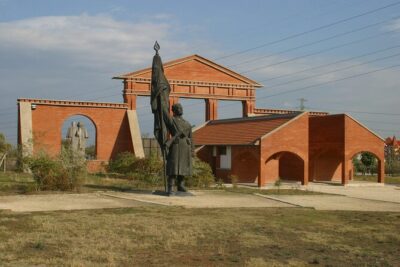
Memento Park Visit with Private Trabant Transfer
Read our review →Browse the lists this tour appears in