
Reviewed · COMMUNIST HISTORY TOURS
Budapest Hammer & Sickle Communist Times Tour
What makes the Budapest Hammer & Sickle Communist Times Tour interesting is that it connects big political events to everyday details, from 1956 Revolution flashpoints to how people navigated daily life behind the Iron Curtain. I especially like the way the tour uses the city as a timeline, so you are not just reading names and dates, you are seeing the places where decisions, fear, and courage played out in public.
My other favorite part is the guide style. I have a soft spot for tours where the communicator is human and clear, like guides such as Anna, who frame the history in context and then bring it to life with family-scale stories rather than propaganda. One possible drawback to plan for: there is no audio equipment, so if the street is loud or you are farther back in the group, you will rely on good hearing and close attention.
Key things that make this Budapest tour worth your time
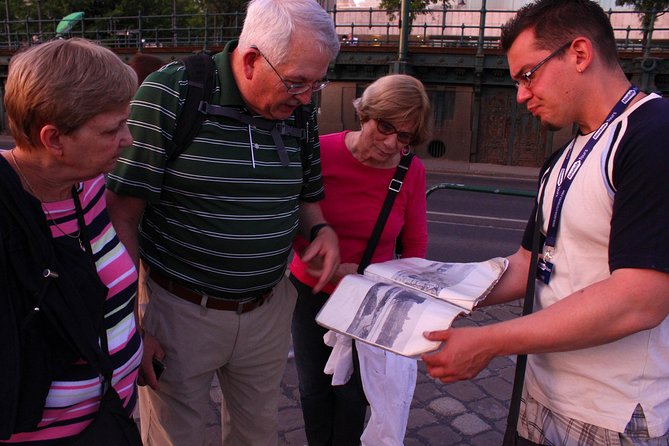
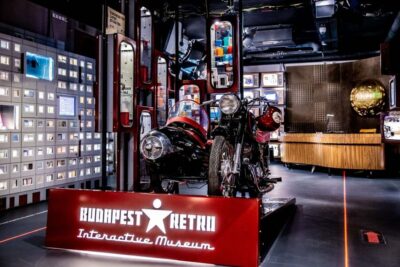
- Interactive Retro Museum experience that turns communist life into something you can picture, not just facts on a page
- Two kinds of history at once: major events like 1956 and the smaller pressures of daily routines
- Memorial stops that are emotionally direct, including the In memoriam 1956. October 25 exhibition
- A small group size (max 10), which makes it easier to ask questions and keep pace with your guide
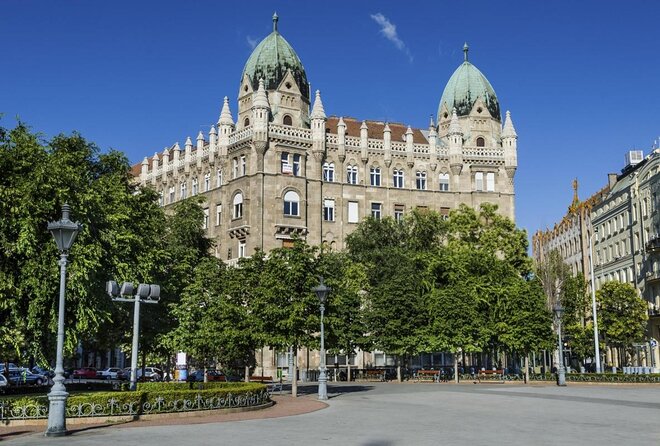
- Strategic downtown route, starting near Ferenc Deák Square and finishing near Liberty Square
A time-travel route through Hungary’s 20th-century political shifts
This is the kind of tour where the timeline matters. You start by placing Hungary in a wider European story, covering the lead-up to communism through WWI and WWII, then moving forward into the 1956 Revolution and Hungary’s conflict with Soviet policy. It is not just a lecture. It is a walk that repeatedly circles back to one theme: how power changes what ordinary people can do.
You also get reminders that the “communist era” was not one single vibe. It shifted across decades, and the tour helps you see that change. That makes the rest of Budapest feel more readable, because you start spotting monuments and buildings as political evidence, not just city decoration.
If you like your history with context and a bit of human detail, this tour is built for you. If you want a purely outdoor photo walk with minimal interpretation, you might find the museum and indoor segments a lot of the value.
More communist-era history tours in Budapest:
- Budapest: Communist History Tour with House of Terror Option
★ 4.8 · 182 reviews - Communism in Hungary with a Historian
★ 5.0 · 70 reviews - Budapest: 3-Hour Walking Tour About Communism (Small Group)
★ 4.7 · 70 reviews
Szent Istvan Bazilika: where communism met church life
One of the smarter choices on the route is starting with religion. At Szent Istvan Bazilika, the focus is how communism affected church life and the operations of different churches. This is important because religious institutions were not simply background. Under authoritarian pressure, they became spaces people watched and sometimes relied on.
The good part here is that you are not stuck with one narrow angle. You get a view of how ideology touched institutions, community routines, and public presence. It is a helpful contrast to the later street-level story of protests and tanks.
Practical note: admission for Szent Istvan Bazilika is not included. Plan to either buy your ticket or expect that this stop may involve some time at the exterior or in areas that do not require the paid entry. Either way, dress appropriately for churches since it can get tight when groups enter.
Szabadság tér Soviet Memorial: WWII’s end and the occupation’s start
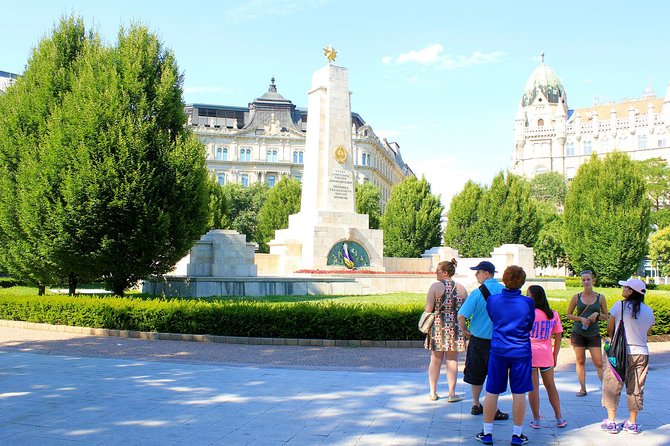
Next you head to Szabadság tér, where the Soviet Memorial anchors the story in the transition from WWII to occupation. This is where you connect the end of the war with the beginning of foreign control, and then with how the Communist Party seized power.
This stop works well because it is not only about the past. It helps you understand why later events like 1956 felt like a direct response, not a random burst of rebellion. When you know how occupation took shape, you can better read the courage and desperation in the later scenes you see around downtown.
Timing is short here, about 15 minutes, which means you should listen closely to your guide’s framing. If you miss the key explanation, you might walk away remembering only the memorial itself, not the political “how did it happen” story behind it.
Parliament square and the first days of 1956
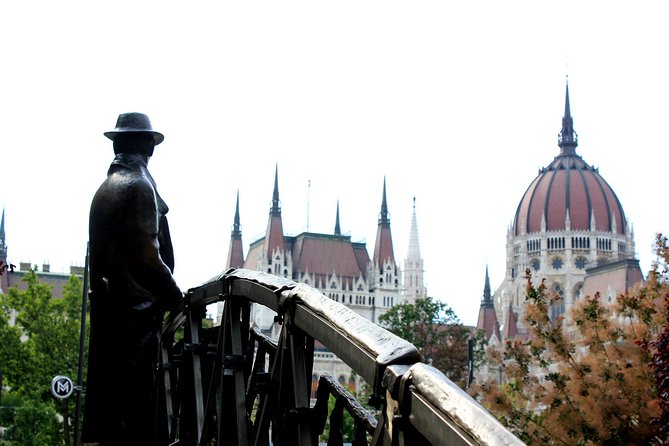
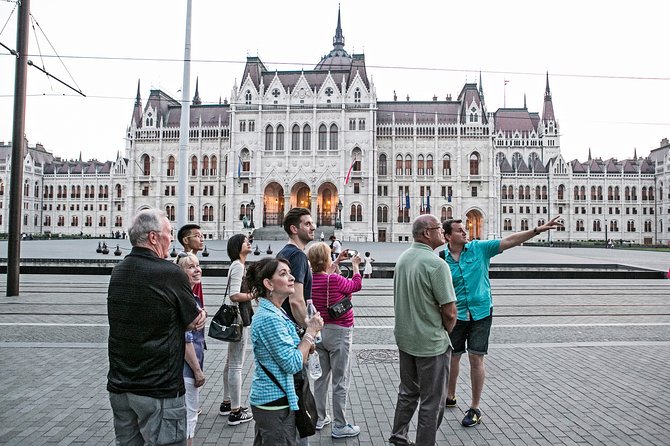
The tour then moves to the Hungarian Parliament Building area. The square in front of it played an important role in the first days of the 1956 Revolution, so you are standing where events unfolded, not merely reading about them later.
You learn what led to the outbreak and how party leadership handled what was happening. That detail is worth your attention, because revolutions are rarely only about streets and slogans. They are also about calculations, internal power struggles, and how officials respond when control starts slipping.
Admission is not included for this stop, so budgeting matters. Also, the Parliament exterior and its surrounding streets are the real draw in this format, but if you expect a full interior visit, confirm what is possible on the day.
A different way to spend a day in Budapest:
- Budapest: City Highlights Cruise with Welcome Drink
★ 4.6 · 35,610 reviews - Budapest: Unlimited Prosecco, Beer and Aperol Spritz Cruise
★ 4.8 · 25,310 reviews - Budapest: Széchenyi Spa Day Ticket with Optional Upgrades
★ 4.3 · 23,911 reviews - Budapest: Nighttime or Daytime Sightseeing Cruise
★ 4.2 · 21,062 reviews
In memoriam 1956. October 25: the exhibition with archive footage
This is one of the stops that tends to leave people quiet. At In memoriam 1956. October 25. Memorial and Exhibition, the story turns sharp and specific: on October 25, 1956, on the second day of the revolution, military authorities and Soviet tanks fired into the gathering crowd.
The exhibition presentation uses archive footage and recollections. That combination helps, because pure footage without interpretation can feel confusing, and pure storytelling without evidence can feel abstract. Here, you get both, and the emotional impact comes from seeing the past as it was experienced in the moment.
The time is about 15 minutes and admission is free. That makes it a high value stop. If your schedule is tight, you might still want to protect this time slot rather than rush it, because this is where the tour shifts from “political overview” to “why it mattered to people.”
Imre Nagy statue and the meaning of October 23
Another key piece of the 1956 story is Imre Nagy, and the tour includes a visit to his statue, connected to remembrance on October 23. Nagy is described here as a leader of the revolution who was later executed, and the tour points out that his reburial became an important moment in the change of regime.
This stop matters because it gives your tour a human anchor. Policies, speeches, and clashes are easier to grasp when you also track who embodied resistance or shifting strategies. Nagy’s story also helps you see why the revolution is remembered every year, not just as a historical event but as a recurring symbol for freedom.
This part is free and takes about 15 minutes. My advice: stand close enough to hear the framing, then take a second to look at how the statue sits in the space. Public monuments in Budapest are never random.
Retro Interactive Museum: how daily life worked under big brother
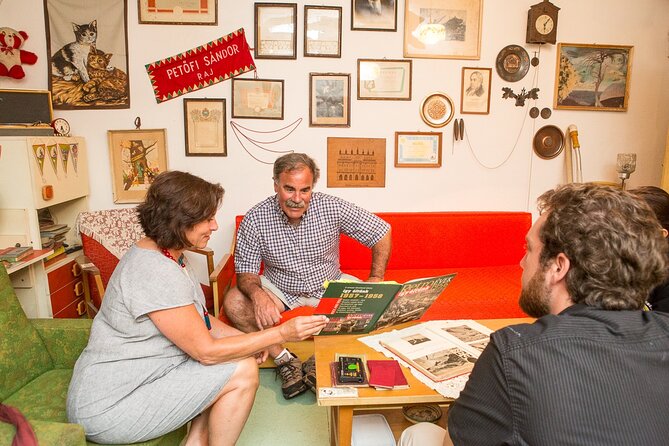
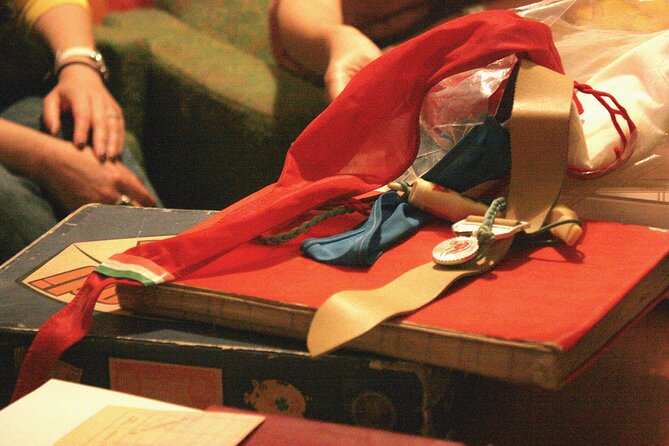
Here is where the tour earns its name. The included entry to the Budapest Retro Interactive Museum turns the communist era into lived experience. You are guided through an interactive setup that covers how families lived, how children were brought up, and how travel worked under the system.
One of the most vivid aspects you might hear about in the museum section is the practical side of control: how long it could take to get a passport, plus stories that include black markets and banana lines. These details are not just colorful. They explain how shortages and bureaucracy shaped behavior, from what people bought to who they trusted.
In reviews and feedback around this kind of tour experience, I consistently see one theme: the best guides make it feel normal that people coped in creative ways. That is also why starting with an interactive museum can be so powerful, especially if you come into Budapest wanting a quick but accurate sense of how the system functioned.
Admission for this museum is included in the tour. The tour also includes a coffee, tea, or soft drink, which sounds small until you realize how quickly 2.5 hours of dense history can drain your energy.
Shoes on the Danube Bank Holocaust memorial: a required moral pause
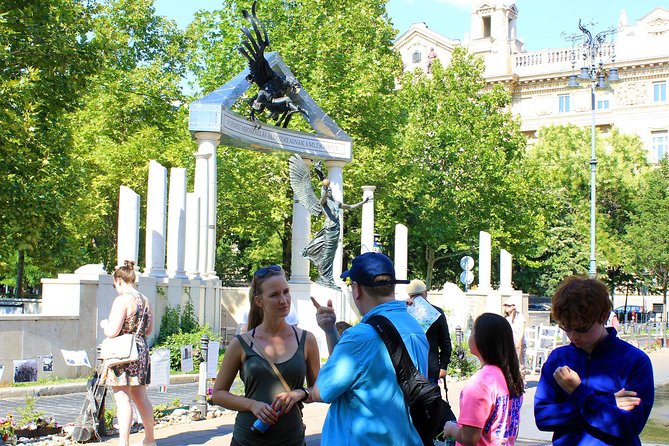
The tour also includes a stop at the Shoes on the Danube Bank Holocaust memorial. Even though it is not a communist-era site, it belongs in this kind of historical walk because it forces a hard look at how regimes produced cruelty and how victims were erased from normal life.
This is a good place to slow down. If you rush the memorial, you miss its purpose, which is to make the abstract concrete without sensationalizing it. Expect it to land with a different emotional tone than the 1956 stops. The tour does not try to blend everything into one mood. It keeps separate threads separate, which helps your understanding.
Price, pacing, and group size: what your money buys
At $79.65 per person for about 2 hours 30 minutes, you are paying for three things that matter in a city like Budapest: a tight route, an English guide, and included access to the Retro Interactive Museum plus a small refreshment.
The group size cap is 10 travelers, which is a big deal for a tour with this much spoken context. Smaller groups usually mean fewer people competing for the same sightline and fewer moments where you feel stuck behind someone’s camera. I like that this format can feel more like a guided conversation than a busload lecture.
Budget for admissions you might pay separately. Szent Istvan Bazilika and the Parliament Building are listed as not included, while the memorials tied to 1956 are free. Plan for the fact that your total cost may be a little higher than the base price if you choose to enter paid sites.
One more planning point: the tour goes in all weather conditions. So if you book for a sunny day and then a storm rolls in, you will still be walking. I suggest wearing shoes you trust and having a light rain layer ready.
How to get the most out of your guide on this political walking tour
This tour gets praise for one thing again and again: guides who can explain history without turning it into an argument. For example, some guides such as Anna are noted for presenting the communist past in a clear and thoughtful way, with a neutral focus on historical context plus personal and family stories.
When you are choosing this tour, treat it like a chance to learn how Hungary’s political events connect to ordinary life. Ask questions like:
- How did daily routines change compared to earlier periods?
- What did ordinary travel and document control mean in practical terms?
- Why did 1956 feel like the culmination of a longer quest for freedom?
Also remember: there is no audio equipment. That means your best strategy is simple, stand where you can hear, and keep your attention on your guide when the group funnels into indoor areas like the museum.
Who should book, and who might want a different tour
This is a strong match if you want an introduction to Budapest that does more than scratch the surface. You get a structured overview from WWI and WWII through the Revolution of 1956, plus a guided look at life under communist rule in a museum setting.
It is also a good fit if you enjoy the emotional weight of memorial sites and can handle history that includes executions and violence. The In memoriam 1956. October 25 stop is designed to be felt, and the Shoes on the Danube memorial also asks for respect and attention.
It is not recommended under age 14, and that makes sense given the historical topics. If your group has teens who can handle difficult subject matter, this tour can be a powerful education.
If you prefer very light, casual sightseeing with minimal speaking, you may find the density of events and explanations a lot. In one account, the experience also involved more time in an indoor communist-era apartment set than some people wanted. That is not a dealbreaker, but it is a sign to align expectations with the museum-forward format.
Should you book the Budapest Hammer & Sickle Communist Times Tour?
I would book it if you want one afternoon that connects the politics of 1956 to the daily mechanics of control, including an interactive museum visit. The value feels especially strong for the included Retro Interactive Museum entry, the small group size, and the way guides often bring the story down to family-scale details like passport barriers and black market coping.
I would hesitate if you are hard of hearing, dislike long stretches of guided explanation, or hate being indoors for a portion of the experience. Since there is no audio system, your ability to hear your guide becomes part of the deal.
If you are in Budapest early in your trip, this is also a smart “orientation tour.” It gives you context that makes later stops and conversations around town click into place.
FAQ
How long is the Budapest Hammer & Sickle Communist Times Tour?
The tour lasts about 2 hours 30 minutes.
What time does the tour start, and where is the meeting point?
It starts at 3:00 pm. The meeting point is the Lutheran Church of Ferenc Deák Square, Deák Ferenc tér 4, 1052 Hungary.
Where does the tour end?
The tour ends at Szabadság tér 1, 1054 Hungary, near Liberty Square in downtown Budapest.
Is entry to all attractions included in the price?
English guide time and the Retro Interactive Museum entry are included. Szent Istvan Bazilika and the Hungarian Parliament Building are not included and may require separate admission, while some memorial stops listed on the route are free.
Is audio equipment provided on this tour?
No. There is no audio equipment or headphones available.
Is this tour suitable for children?
It is not recommended under age 14. The tour goes in all weather conditions, so plan clothing accordingly.
Recently reviewed around Budapest
- Panoramic hike around Budapest★ 5.0 · 14 reviews
- PRIVATE (7 hours) Budapest and Szentendre city tour with lunch and winetasting★ 5.0 · 4 reviews
- Original Budapest Walking Tour★ 4.0 · 39 reviews
- Budapest Highlights Self guided scavenger hunt and Walking Tour★ 5.0 · 5 reviews
- Hungarian Gastro Cellar: Assisted Tasting Options★ 4.5 · 5 reviews
- Original Budapest Alternative Street Art & Jewish Tour★ 4.5 · 14 reviews
- Bratislava, one day private trip from Budapest with guide!★ 5.0 · 4 reviews
- One hour Hen or Stag private party boat Budapest with unlimited beer and wine★ 3.5 · 6 reviews
Communist History Tours, compared.
Communist History Tour with House of Terror Option
Read our review →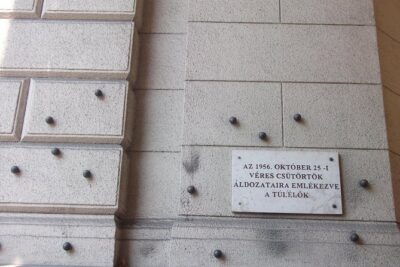

3-Hour Walking Tour About Communism (Small Group)
Read our review →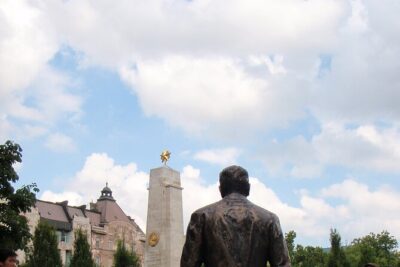
Lives of Hungarians Under Communist and Capitalist system
Read our review →
Memento Park Visit with Private Trabant Transfer
Read our review →
Browse the lists this tour appears in