
Reviewed · JEWISH HERITAGE TOURS
Original Budapest Alternative Street Art & Jewish Tour
This tour is interesting because it connects Budapest’s street art to the neighborhoods and communities around the Jewish quarter, so your photos have context, not just color. You walk a tight loop through areas that show how modern culture can sit right next to older stories.
I love two things here. First, it focuses on the 6th and 7th districts in a way that feels sociable, not stiff, and the guide is built to explain even if you already know Budapest well. Second, the route highlights famous local works like Színes Város (Colourful City) and street-art stops such as Lépcső Street Art.
The main drawback to consider is guide quality can make or break the experience. One past group had issues with training and with accuracy around the Jewish ghetto location, so you’ll want a guide who can clearly connect the art you’re seeing to the places you’re standing in.
Key highlights to look for
- Sixth and seventh district focus that keeps the walk compact and readable
- Street art stops with free entry points, so you spend time looking, not paying
- Local-art emphasis, including Színes Város, for a Budapest-specific story
- A social, tip-supported style that encourages real conversation
- A guide who can connect art to place, which is where the tour pays off most
- Smallish feel even with a cap of 100, so choose a spot where you can hear
Street art plus Jewish quarter context, in one walk
If you like Budapest for its layers, this tour makes a smart case for combining two things you might otherwise do separately: street art and Jewish-quarter storytelling. Street art is usually treated like decoration, but here you’re meant to read it like a message on a wall.
The value is in how the guide ties what you see to where you are. You’re moving through the 6th and 7th districts, which are close enough to feel efficient, but different enough to show contrast. One guide can make that contrast click, especially when they connect the art choices to the neighborhood’s identity.
The tour also lands in a very walkable zone. It starts at St. Stephen’s Basilica and then shifts you toward the areas where you’ll notice younger energy, more street life, and lots of visible local culture. Even if you’ve seen Budapest photos online, you’ll likely notice more texture up close.
More Jewish heritage and synagogue tours in Budapest:
- Budapest Jewish Heritage Memorial Walking Tour & Synagogue Entry
★ 5.0 · 568 reviews - Budapest: Jewish Heritage Guided Tour with Synagogue Ticket
★ 4.8 · 533 reviews - Walking Tour Budapest incl. the Shoes on the Danube Bank
★ 5.0 · 387 reviews
Price and what $25.20 really buys you

At $25.20 per person for about 3 hours, this is priced like a value-first walking tour. The big thing is that the included cost is a local guide, not a stack of admissions or museum tickets. You’re paying for interpretation, route sense, and the ability to point out what matters.
Another factor is the tip-based approach. The tour describes a model where guides work for tips and you choose your own price. Practically, that means the guide’s goal is to keep you engaged and give you enough value that you feel good rewarding them.
What this means for you: if you’re the kind of traveler who likes questions, a guide with strong explanations is the best investment you can make on a short trip. If you want to just wander at your own pace with no commentary, you might find a self-guided street art route cheaper, but you lose the “why” behind the walls.
Meeting at St. Stephen’s Basilica, then switching neighborhoods fast
You’ll start at St. Stephen’s Basilica at Szent István tér 1, right in the city-center zone where arriving feels easy. The start time is 11:00 am, and the tour runs about 3 hours.
You’ll also get a mobile ticket. That matters because you’re not dealing with paper tickets or finding a specific office. It’s one less thing to manage when you’re juggling walking shoes, weather, and phone battery.
The tour’s end location varies, which is normal for a walking loop in a dense area. It’s a good sign that they’re not sending you far beyond the core districts. You’ll still want to check Google Maps on your phone so you can spot where the group finishes.
Lépcső Street Art: your first dose of Budapest style
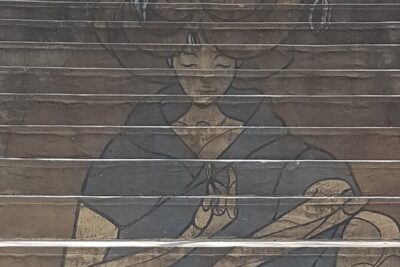
One of the first stops is Lépcső Street Art, about 30 minutes with free admission for the stop itself. This is your “read the wall” moment. The guide should help you notice things you might skip on your own, like how the style changes from wall to wall and how the art uses the street as part of the message.
This is a smart way to start because it gets you looking with a purpose. After this first stop, the rest of the walk feels less like random street corners and more like a connected route.
The practical upside: you’re likely to get photos early, when you’re fresh and still in the mood to explore. A mild downside is that street art can be weather-sensitive. If it’s raining or gray all day, you might want to bring a hooded layer so you can keep moving without being miserable.
A different way to spend a day in Budapest:
- Budapest: City Highlights Cruise with Welcome Drink
★ 4.6 · 35,610 reviews - Budapest: Unlimited Prosecco, Beer and Aperol Spritz Cruise
★ 4.8 · 25,310 reviews - Budapest: Széchenyi Spa Day Ticket with Optional Upgrades
★ 4.3 · 23,911 reviews - Budapest: Nighttime or Daytime Sightseeing Cruise
★ 4.2 · 21,062 reviews
Terézváros: where the walk turns from walls to neighborhood
Next is Terézváros, another 30-minute segment focused on getting you oriented to the areas that drive Budapest’s contemporary street culture. This is also where the “alternative culture” theme starts to feel less abstract.
Terézváros and the surrounding districts are known for a mix of everyday life and creative energy. In a walking tour like this, the guide’s job is to help you see how people use the streets, not just how the streets look.
A good guide will connect street art to the social scene around it, so you understand why certain corners get attention. A weaker guide can still show you murals, but you might miss the neighborhood logic. This is where guide quality really shows, because the stops themselves are only half the product.
Andrássy Avenue to Király utca: architecture meets street culture

You then move into the area around Andrássy Avenue, with a crossing that leads you into Budapest’s 7th District via Király utca. This portion is about 30 minutes, and the goal is atmosphere, not museum formality.
Why I like this segment: Andrássy Avenue is the kind of place where you immediately feel the city’s grandeur, even if you’re not into formal landmarks. When you pair that with alternative street-art viewpoints, you get a contrast that makes Budapest feel like a living city, not a theme park.
This is also a social moment. The tour describes you’ll have time to socialize with other travelers while the guide talks through what makes the 7th district’s vibe unique. If you enjoy meeting people on walks, this timing works well. If you’re traveling solo and want quieter attention, aim to stand near the guide and avoid getting pulled into group chatter.
Színes Esernyők (Colorful Umbrellas): the stop that gives the tour its mood
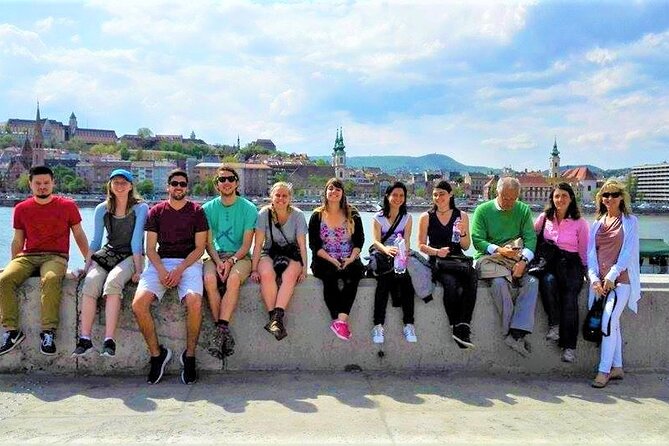
Another key art-focused stop is Színes Esernyők. This is tied to local works including Színes Város or Colourful City, which the tour highlights as part of the “Street Art Budapest” craze.
Practically, this is where you’re likely to feel the name and concept most. If street art is the tour’s language, Színes Esernyők is one of the easiest sentences to read with your eyes. It also helps you understand how artists treat public spaces as both playground and message board.
The benefit for first-time visitors is that you get a recognizable style of Budapest street art. The risk is that if you expect a deep museum-style analysis, a short stop can feel too quick. This is still a walking tour, not a long-form exhibition, so the best experience comes from asking the guide what specific choices mean.
The Jewish quarter angle: why context matters
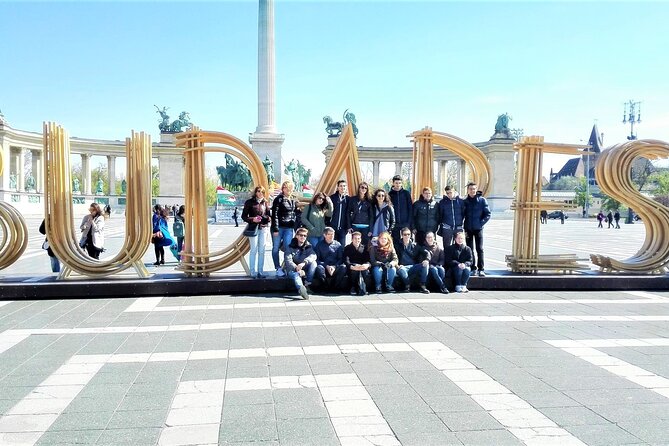
Even though the route centers on street art, the tour is described as a street art and Jewish tour, and you can feel that emphasis in the neighborhood focus. The 7th district is where this story becomes most relevant on foot.
The best walking-tour Jewish-quarter experiences do two things. They help you recognize key places, and they explain how identity, community life, and history can be present in everyday streets. When a guide has strong art and history connections, street art becomes more than decoration, it becomes a way to talk about belonging and memory.
One caution from a quality perspective: accurate site placement matters. If your guide can’t clearly explain where major Jewish landmarks were or how the neighborhood changed, the “Jewish quarter” promise can fall flat. I’d treat that as a reason to pay close attention early on, especially when the guide mentions the ghetto location. You can tell within minutes whether your guide’s map is solid or shaky.
If you’re the kind of traveler who likes to verify details, keep an open mind but stay alert. Ask a simple question like how a particular site relates to the surrounding streets you see right now. A good guide will answer clearly.
How long is enough: what 3 hours feels like on the ground
The tour runs about 3 hours, with roughly 30 minutes per main stop. That structure is ideal if you want real walking time without exhausting yourself. Budapest streets can add up fast, especially if you’re stopping to take photos. This tour gives you planned pauses, which helps you keep energy for the whole route.
You also get a clear rhythm. You won’t be stuck listening for long stretches without a visual anchor. Each section pairs movement with something to look at, which makes it easier to stay engaged.
Group size matters too. The tour caps at 100 travelers. That sounds large, but on city sidewalks, it can still feel manageable if people spread out and the guide controls meeting points. If you prefer smaller groups and quieter guidance, try to pick a time when fewer people show up, or be prepared to stand where you can actually hear.
Included guide, not extra costs, so plan your own extras
The only thing included is the local tour guide. Bottled water is not included, so bring your own or plan to buy a bottle. In summer, you’ll feel the walking more than you expect.
Each stop itself is listed with free admission, which is helpful for value. You’re not juggling entrance fees. You’re spending money on the guide’s ability to translate what you see into something meaningful.
So if you’re cost-conscious, this tour is a clear winner. If you want a tour that covers transport or food, this isn’t that kind of experience. It’s a walking experience first.
What to bring and how to time it in your Budapest trip
Because the tour is street-based and described as requiring good weather, pack for changeable conditions. Bring a light rain layer even if the forecast looks fine. Street art looks best when the day is bright, but you still need a plan if skies turn.
Wear shoes you trust. This is a walking loop through multiple districts. Even if the distance is not spelled out, you’ll be moving for hours and you’ll want traction.
Phone battery matters because you’ll likely want to photograph the art and compare views as you go. Also, since the tour uses a mobile ticket and the end point varies, keep your phone handy and unlocked so you don’t lose track when your guide moves the group.
If you’re planning a bigger Budapest schedule, this is a good slot for late morning. It starts at 11:00 am, right after the city wakes up, which often makes it easier to get a feel for neighborhood energy.
Guide quality, training, and how to get the best version of this tour
This is where your expectations should be practical. The tour depends heavily on the guide’s ability to explain art and connect it to place. The reviews show both ends of that scale: guides can be exceptional and fast-moving with art and history knowledge, and other groups have had less-trained guides who struggled with questions.
So here’s how you can make this tour work even if the guide is just average. Ask one focused question early on. For example, ask what a particular art piece is responding to in the neighborhood, or what to look for next. A confident guide will pivot naturally into details. A less prepared guide tends to stall or give vague answers.
Also pay attention to accuracy when landmarks come up. The Jewish-quarter component requires careful wording and correct placement. If something sounds off, ask for clarification. You’ll either get a better explanation or you’ll learn quickly whether to adjust your expectations.
Is it worth it: who this tour suits best
I’d point this tour at you if you:
- want a walking tour with street art focus in the 6th and 7th districts
- like learning through visuals, not through lecture-only formats
- enjoy social walking, light conversation, and photo stops
- want a value-priced guided route that does not hinge on paid admissions
I might skip it if you’re:
- looking for a museum-style experience with long guided explanations
- sensitive to group size and you hate having to navigate a crowd
- expecting a strictly historical, fact-heavy deep dive without art-first stops
Most first-time visitors should still enjoy it because the route gives a fast introduction to how Budapest’s modern identity can show up on ordinary streets.
Should you book this Budapest alternative street art and Jewish tour?
Book it if you want an efficient, art-first way to see Budapest with context. The combination of street art stops, neighborhood focus on the 6th and 7th districts, and a guide-led explanation makes the $25.20 price feel reasonable, especially since admissions are listed as free per stop and the tour uses a mobile ticket.
Pass or plan carefully if guide training quality is a deal-breaker for you. The strongest version of this tour happens when the guide can connect art to art history and Jewish-quarter place context without mixing up locations. If you’re comfortable asking questions and staying alert, you can steer the experience toward the best possible outcome.
FAQ
What is the duration of the Original Budapest Alternative Street Art & Jewish Tour?
It runs for about 3 hours.
Where does the tour start, and what time does it begin?
The meeting point is St. Stephen’s Basilica, Szent István tér 1, 1051 Hungary, and the start time is 11:00 am.
Is a mobile ticket provided?
Yes, the tour includes a mobile ticket.
What does the price include?
The tour includes a local tour guide. Bottled water is not included.
How big are the groups?
The tour has a maximum of 100 travelers.
What is the cancellation policy and weather requirement?
You can cancel for a full refund up to 24 hours in advance. The tour requires good weather, and if it is canceled due to poor weather, you are offered a different date or a full refund. It can also be canceled if a minimum number of travelers is not met, with an alternative date or full refund.
Recently reviewed around Budapest
- Panoramic hike around Budapest★ 5.0 · 14 reviews
- PRIVATE (7 hours) Budapest and Szentendre city tour with lunch and winetasting★ 5.0 · 4 reviews
- Original Budapest Walking Tour★ 4.0 · 39 reviews
- Budapest Highlights Self guided scavenger hunt and Walking Tour★ 5.0 · 5 reviews
- Hungarian Gastro Cellar: Assisted Tasting Options★ 4.5 · 5 reviews
- Bratislava, one day private trip from Budapest with guide!★ 5.0 · 4 reviews
- One hour Hen or Stag private party boat Budapest with unlimited beer and wine★ 3.5 · 6 reviews
- Neonis – 3D Blacklight Minigolf★ 4.5 · 28 reviews
Jewish Heritage Tours, compared.
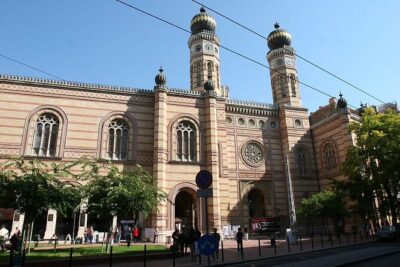
Budapest Jewish Heritage Memorial Walking Tour & Synagogue Entry
Read our review →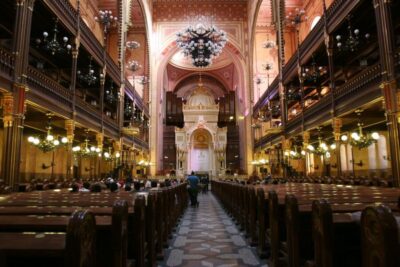
Jewish Heritage Guided Tour with Synagogue Ticket
Read our review →
Walking Tour Budapest incl. the Shoes on the Danube Bank
Read our review →
Past and Present of Budapest Jewish District Tour
Read our review →
Budapest Dohany Synagogue & Hungarian Jewish Museum & free extras
Read our review →
Browse the lists this tour appears in