
Reviewed · COMMUNIST HISTORY TOURS
Communism in Hungary with a Historian
Communism in Hungary with a Historian is interesting because Budapest’s grand buildings still carry Communist-era scars, and your guide turns those stone details into real-life stories. I especially like the small group cap of 10, so questions do not get lost.
I also really love the way guides use family experience, not just dates. In past groups, guides like Judit, Raymond, Gabriel (Gábor), Greg, András, and Virág brought firsthand context, which makes the Cold War feel close, not textbook.
One thing to consider: most major landmarks on this route are outside viewing only, and some entry tickets are not included, so it is not the right tour if you want to go in everywhere.
Key highlights you should care about
- Small group of up to 10 with time for questions and a guide who stays fully engaged
- Metro ride with tickets included, so you spend less time figuring out transit
- Budapest’s Communist layers at Elizabeth Square, Szabadság tér, and around the Parliament area
- Religion and daily life under Communism, explained through personal stories and everyday pressure
- Communist-style cafe with coffee included to end on a human, relaxed note
Step Off at Erzsébet tér, Then Take the Metro Like a Local
This tour starts in the heart of Budapest at the Kempinski Hotel Corvinus Budapest, right by Erzsébet tér, and it begins at 2:00 pm. You will spend about three hours walking, but the route is not just a long sidewalk slog. You get a short metro ride with tickets included, which helps you cover more ground without burning your afternoon.
The format is built for listening. It is capped at 10 travelers, so you are not one face in a crowd. The tour is offered in English, and you will receive a mobile ticket, which makes check-in simple.
One practical tip: plan your footwear like this is a normal city walking day, because you will be moving between parts of Buda and Pest. If it is cold or rainy, the pace still works, and the team usually adjusts the ending location rather than forcing you through a miserable finish.
More communist-era history tours in Budapest:
- Budapest: Communist History Tour with House of Terror Option
★ 4.8 · 182 reviews - Budapest: 3-Hour Walking Tour About Communism (Small Group)
★ 4.7 · 70 reviews - Budapest Hammer & Sickle Communist Times Tour
★ 4.5 · 68 reviews
Elizabeth Square and the Stalin Square Story You Can Still Read in Stone
Elizabeth Square is where the tour gets personal fast. You start at a former Stalin square, and your guide points out monuments and design choices that were meant to broadcast power and ideology. You might think you are just seeing public art and street layout, but the guide connects it to why the Communist era wanted certain ideas to feel permanent.
This is one of those stops where you learn to look differently. Instead of asking, What is this? you start asking, Why here, why this shape, and what message was it sending?
It also sets the tone for the day: the tour is not only about the government. It is about what life felt like around those symbols, how people learned what to say, and how they avoided being in the wrong place at the wrong time.
St. Stephen’s Basilica Outside: Religion, Church Survival, and Soft Power
Next you come to St. Stephen’s Basilica, and you see it from the outside. The focus here is not architecture photography for its own sake. Your guide connects the church to religious life during Communism, including how people navigated pressure from the state.
This is a good stop because it challenges the common misconception that Communism simply erased religion. In Hungary, the church did not disappear, and your guide uses story-based context to explain why survival often meant compromise, negotiation, and careful choices.
One caution: admission to go inside is not included on this tour. If you want the interior, plan to pay separately. The exterior view is still worth it, but it is not a full basilica visit.
Szabadság tér: Memorials, Statues, Embassies, and a Bunker Remnant
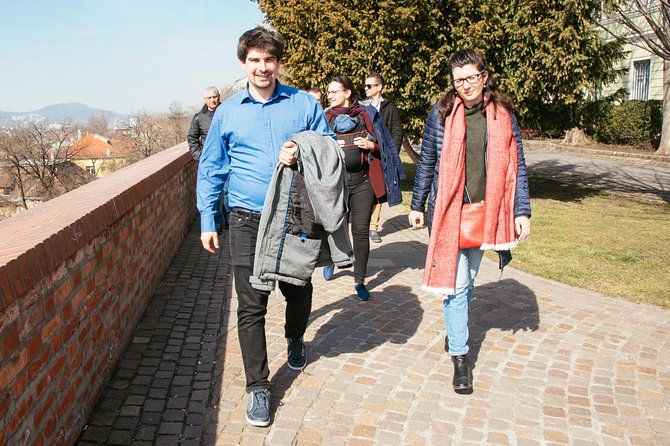
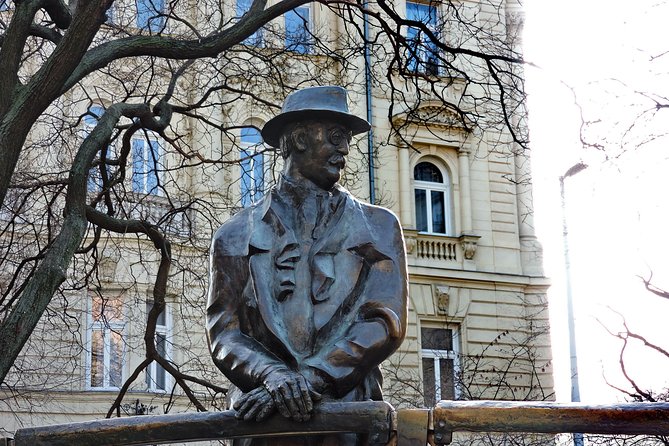
Szabadság tér is where you start seeing Communist remnants more visibly, not just discussed. The tour spends about 45 minutes here, and the guide walks you through memorials and statues as well as the way embassies and surrounding spaces fit into the story.
Expect the tour to slow down. This is the part where your guide builds the timeline behind the stone. You look at forms that might seem like ordinary monument shapes until someone explains how they were meant to remember one side and erase another.
A standout element of this stop is the mention of a bunker remnant from the outside. Even if you cannot go inside, seeing Cold War-era construction cues you into how seriously governments planned for fear and conflict.
If you like history that connects to real spaces you can still touch with your eyes, this is the heart of the experience.
A different way to spend a day in Budapest:
- Budapest: City Highlights Cruise with Welcome Drink
★ 4.6 · 35,610 reviews - Budapest: Unlimited Prosecco, Beer and Aperol Spritz Cruise
★ 4.8 · 25,310 reviews - Budapest: Széchenyi Spa Day Ticket with Optional Upgrades
★ 4.3 · 23,911 reviews - Budapest: Nighttime or Daytime Sightseeing Cruise
★ 4.2 · 21,062 reviews
Parliament Area and 1956 Bloody Thursday on Kossuth Square
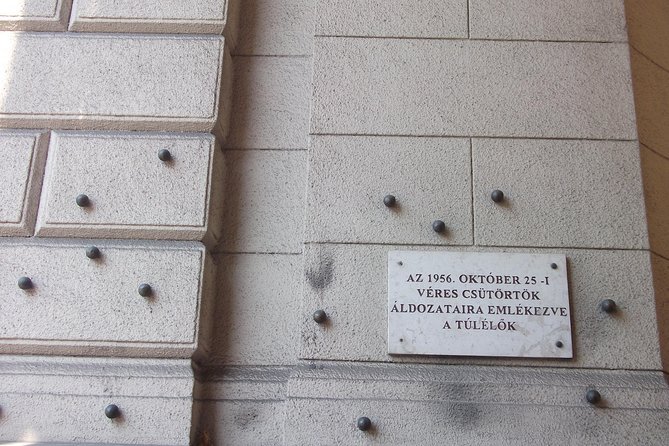
The tour finishes the main story thread with a stop connected to one of the biggest moments of 1956. You visit the area around the Hungarian Parliament building, and your guide covers the event often called Bloody Thursday, which unfolded on Kossuth square in front of Parliament.
This is not a generic revolution lecture. The best part is how your guide ties it to the geography. When you stand near the political center, the names and dates stop feeling abstract. You start to understand why certain locations became flashpoints.
Like the Basilica stop, admission to go inside Parliament is not included. Your value here is the outside context and the guide’s explanation, not an official building tour.
The Communist-Style Cafe with Coffee: A Story-Driven Way to End
You wrap up at a cafe called Bambi Café on the Buda side near the center and close to Margaret bridge. On colder or wet days, the ending can shift to the Pest side near where you began, so you are not trapped in bad weather with nowhere sensible to go.
The cafe stop is more than a break. It is part of the storytelling rhythm. Coffee included means you can sit, breathe, and let what you just learned sink in.
One detail that adds charm: Bambi Café opened in 1961 and has not changed too much since then. In other words, you are not just buying coffee in a new space. You are stopping in a place that has been part of the city’s everyday routine through decades.
A common theme in past tours is that guides end by connecting the past to today, without turning it into a political rant. You may find yourself chatting about current events right after a history walk, and it often feels like the guide gave you a lens, not a sermon.
What Makes This Tour Different from Standard Budapest Sightseeing
Budapest has plenty of tours that stick to postcards. This one goes after something harder and more useful: how people lived under a system, not just how the system looked from the outside.
Here is what you typically get from the guide’s approach:
- Family-based anecdotes that show nationalization, job pressure, and property changes in plain language
- Daily fear mechanisms, including the idea that someone could turn you in to the party
- Work and housing reality, like forced changes in apartments and reduced choices
- Religion and survival tactics, including how churches could endure through careful action
I like that the tour stays grounded in human scale. You hear about the way a family business could be taken over, how pay and conditions could be controlled, and how even private life could be reshaped. It is not horror for entertainment. It is context for why people acted the way they did.
You will also notice the guides tend to be patient with questions. Several guides were praised for warmth and professionalism, and for answering curiosity without brushing people off. If you are the type who asks why, or how, or what did normal people do on a Tuesday, this tour fits your style.
One more practical note: this is not a tour that includes synagogue visits. If that is a must for your itinerary, you will need a different tour to cover that side of Budapest’s history.
Price and Value: Is 59.13 USD Worth It?
At $59.13 per person, this is not the cheapest walk you can find in Budapest, but it also does not pretend to be a bargain-basement history chat. The value comes from several concrete pieces you get for that price.
You are paying for:
- A small group (up to 10), which usually means better attention
- Metro tickets included, which saves both time and the hassle of figuring it out mid-tour
- A guided route built around specific Communist-era sites across Buda and Pest
- Coffee included at the end, so you finish with something real, not just a landmark drop-off
- The big one, storytelling tied to personal experience, which turns monuments into meaning
If you are the kind of traveler who reads a plaque and moves on, you might not feel much lift from a guided format. But if you want to understand what you are looking at, and you like asking questions, this price makes more sense. Three hours is a solid window in a city where you can easily spend half a day stuck on transportation and basic orientation.
How to Get the Most from the 3-Hour Walk (Without Overthinking It)
This tour works best when you show up with a few flexible goals. You do not need to memorize dates, and you do not need a Hungary degree.
Instead, you can do three simple things:
- Bring questions about daily life, not only politics. Housing, work, religion, and fear make the era click.
- Pay attention to how your guide points out details on buildings and memorials. The same structure can tell different stories depending on context.
- Pace yourself. Three hours is long enough to feel like you covered a lot, but short enough that you can still do an evening plan afterward.
Weather matters in any outdoor walking tour. On cold or wet days, the team tends to adjust the end point to make the finish easier. Still, dress like you will stand still for a few minutes at each stop while the guide explains what you are seeing.
Also, do not expect to go inside every stop. St. Stephen’s Basilica is outside only, and Parliament is handled from outside context. If you want interior time, you will need separate plans before or after.
Who Should Book This Communist Past Walking Tour
Book this if you:
- Want to understand Budapest’s Communist past through real-world stories
- Like an intimate group where you can actually ask questions
- Prefer history that connects to what people experienced, not just what leaders announced
- Enjoy tours led by people who bring family perspective into the conversation
It may be less satisfying if you want purely architectural sightseeing, or if you expect a lot of museum entrances. This tour is about the meaning behind the streets and monuments, and the cafe is meant to keep the atmosphere human and reflective.
It also suits solo travelers, couples, and small groups. The cap of 10 usually helps the guide keep momentum and keep the story flowing.
Should You Book Communism in Hungary with a Historian?
Yes, if you want a focused Budapest tour that makes Cold War history feel personal and understandable. The small group format, the metro ride, and the coffee stop add practical value, but the real payoff is how guides use family stories to explain why Communism felt different in everyday life.
Skip it only if you are mainly after interior visits and museum hours, because key stops are exterior viewing, and not everything includes admission. If that is your style, build a separate sightseeing day and keep this one for the streetside context.
If you do book, arrive ready to look closely. Your guide will do the heavy lifting, and you will leave with a Budapest you can actually read.
FAQ
What time does the tour start?
The tour starts at 2:00 pm.
How long is the tour?
The duration is about 3 hours.
Where do I meet the guide?
You meet at Kempinski Hotel Corvinus Budapest, Erzsébet tér 7-8, 1051 Hungary.
Where does the tour end?
The tour ends at Bambi Café, Frankel Leó út 2-4, 1027 Hungary. Usually it ends on the Buda side close to the center and Margaret bridge.
Is the tour in English, and do I get a ticket on my phone?
Yes, the tour is offered in English, and it includes a mobile ticket.
Is coffee included, and is there a cafe stop?
Yes. The tour includes a Communist-style cafe stop, and coffee is included.
Are metro tickets included?
Yes. You travel by metro, and the tickets are included.
Do I need entry tickets for the stops?
St. Stephen’s Basilica is listed as not included for admission, while Elizabeth Square and Szabadság tér are free. The Hungarian Parliament building stop is also listed as not included for admission.
Is this tour cancellable for a refund?
Yes. There is free cancellation, and you can cancel up to 24 hours in advance for a full refund.
Are synagogue visits included on this tour?
No. On the Communism tour, synagogue visits are not included.
Recently reviewed around Budapest
- Panoramic hike around Budapest★ 5.0 · 14 reviews
- PRIVATE (7 hours) Budapest and Szentendre city tour with lunch and winetasting★ 5.0 · 4 reviews
- Original Budapest Walking Tour★ 4.0 · 39 reviews
- Budapest Highlights Self guided scavenger hunt and Walking Tour★ 5.0 · 5 reviews
- Hungarian Gastro Cellar: Assisted Tasting Options★ 4.5 · 5 reviews
- Original Budapest Alternative Street Art & Jewish Tour★ 4.5 · 14 reviews
- Bratislava, one day private trip from Budapest with guide!★ 5.0 · 4 reviews
- One hour Hen or Stag private party boat Budapest with unlimited beer and wine★ 3.5 · 6 reviews
Communist History Tours, compared.
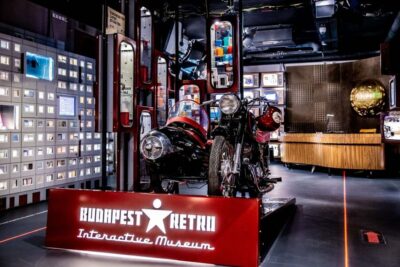
Communist History Tour with House of Terror Option
Read our review →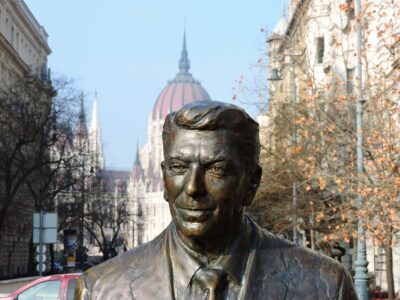
3-Hour Walking Tour About Communism (Small Group)
Read our review →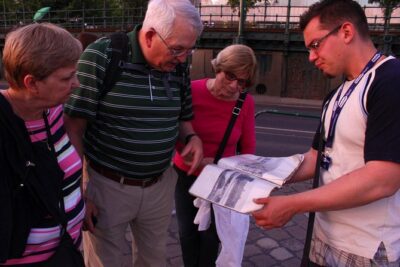
Lives of Hungarians Under Communist and Capitalist system
Read our review →
Memento Park Visit with Private Trabant Transfer
Read our review →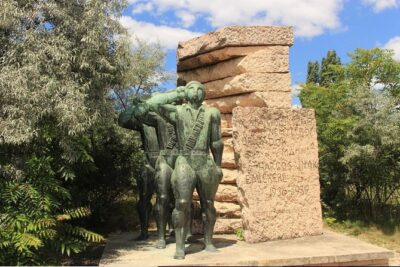
Browse the lists this tour appears in