
Reviewed · COOKING CLASSES
Stretched Strudel Making Class with 2 Different Fillings
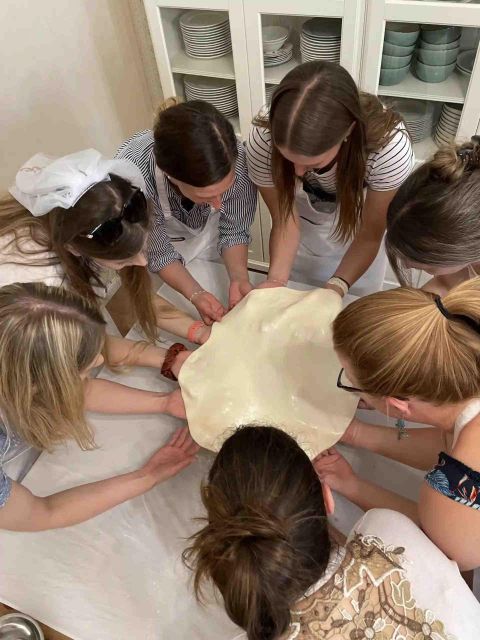
If you want a Hungary food experience that is both hands-on and actually useful at home, this stretched strudel class is a great pick. I love that you make two different strudels start to finish with a real chef, not just watch and snack. I also like that you get family-style recipes to take home, so this is more than a one-time demo. The one drawback to think about is that it takes a bit of focus, so it is not a fit for very young kids.
The class runs about 2.5 hours in a small group, and that matters. You get enough time to learn the technique, ask questions, and still sit down together to eat what you made. It is led in English, and Chef Marti is the kind of instructor who breaks the process into clear steps, then keeps you steady while you stretch the dough.
You’ll meet in central Budapest at Király u. 77, then settle into a private-apartment kitchen for the whole experience. Expect a mix of food history, practical cooking coaching, and tastings with Hungarian wine and drinks. If you enjoy baking or you like understanding how local traditions actually work, this is the kind of class you’ll remember.
Key things that make this class worth your time
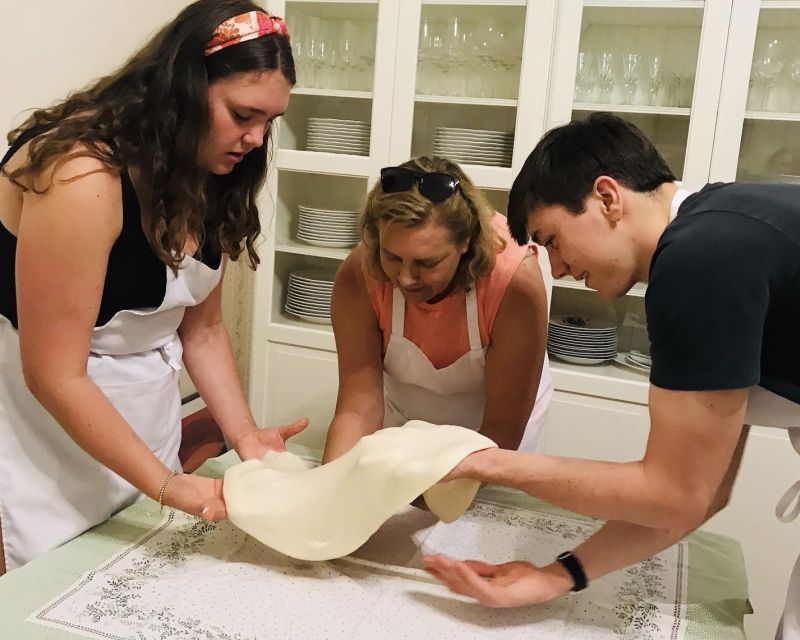
- Hands-on stretching guided by Chef Marti, not a lecture.
- Two fillings in one session, so you leave with more variety and more practice.
- Family recipes to take home, including the stretched version.
- Small group size (up to 10), which keeps the pace friendly.
- Hungarian drinks and snacks while your strudels bake, so you never feel stuck waiting.
- Central Budapest meeting point at Király u. 77, making it easy to fit into a day of sightseeing.
A Budapest strudel class in a private apartment, not a big kitchen
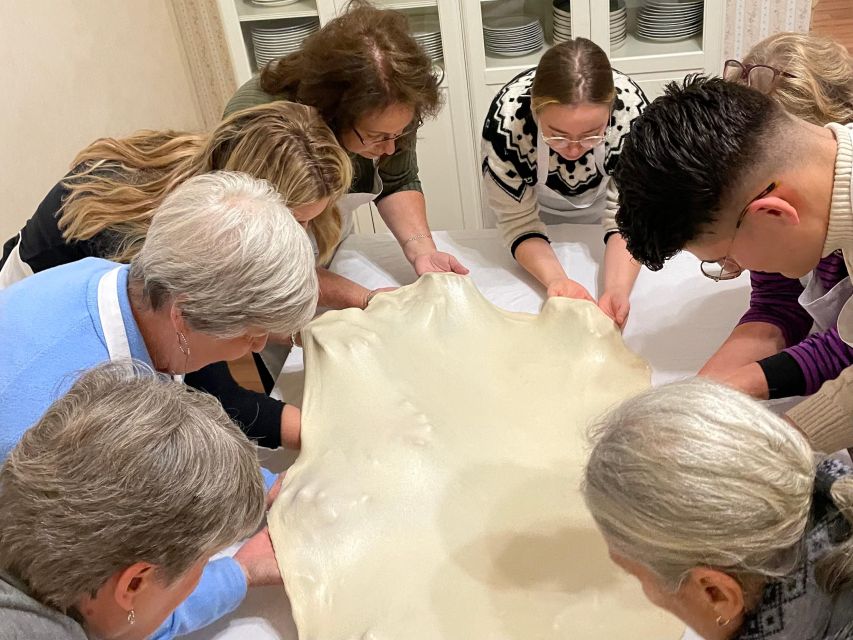
What I like about this experience is the setting. You start by going to the chef’s private apartment in central Budapest, not a commercial teaching space. That changes the vibe fast. It feels like learning in someone’s home kitchen, with real tools and a real rhythm.
You also get the benefit of being close to the action. When you stretch pastry by hand, you need quick guidance. In a smaller apartment kitchen, the chef can spot a dough that is getting thick in one section, or a stretch that needs a gentler approach. That is harder to do in a classroom setup with a crowd.
Another point in the value column is what you get included. You are not only paying for the cooking lesson. The class includes all ingredients, kitchen equipment and pots, help from a professional chef, and typical Hungarian snacks plus drinks. When you add in that you make and eat two strudels, the price starts to feel more like a full meal experience with a skill you can reuse.
If you hate messy hands or you dislike learning new techniques, know this is not a clean, hands-off workshop. You will work dough, and you’ll feel flour. That is the trade.
More cooking classes in Budapest:
- Budapest: Hungarian Chimney Cake Workshop in the City Center
★ 4.8 · 885 reviews - Budapest Cooking Class & Market Tour with Local Guide & Wines
★ 5.0 · 553 reviews - Chimney Cake Workshop Budapest Downtown – Kürtőskalács Class
★ 5.0 · 220 reviews
The 2.5-hour flow: history, dough, fillings, oven time, then you eat
The timing is tight, but it is laid out in a way that makes sense. You do not spend the whole session waiting around. The class moves in a sequence that goes from why strudel matters, to how you make it, to what you finally taste.
First comes the welcome and the bigger picture. The chef walks you through where strudel fits into Hungarian food culture, including how this pastry tradition ties back to the Habsburg Empire and Turkish influence in Hungary. Then you connect it to everyday life, including how strudel shows up in countryside wedding dinners.
That context is not fluff. It helps you understand why certain steps are done carefully and why the dough matters so much. Strudel is not just a filling wrapped in pastry. It is about thin, elastic dough that you stretch until it becomes almost see-through.
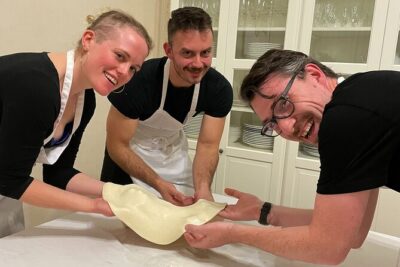
After that, you get to the practical part: stretching the dough. You work under the chef’s guidance while the pastry is made into the classic stretched style. This is the moment most people remember, because you can instantly feel the transformation from thick dough to something delicate and flexible.
Then you fill and shape two strudels. The class is built around choice and variety. Typical options include poppy-seed with pumpkin, sweet or salty cabbage, and sweet cottage cheese cream. In one session example, people made apple and sour cherry with cottage cheese. Your class will cover two different fillings, so you can compare flavors and textures.
While your strudels bake, you are not left on the sidelines. You taste other typical Hungarian bites, plus drinks including Hungarian wine, soft drinks, mineral water, and coffee. This is also when you can ask the chef questions you might have missed while learning.
When everything comes out of the oven, you sit with your group and eat your strudels together. That shared table matters too. Strudel comes out warm, and you want that first bite while the pastry is crisp and the filling is hot.
Stretching the dough the Hungarian way: the technique that changes everything

This class centers on one skill: stretched strudel. Most baking classes teach you how to roll dough. This teaches you how to stretch it. That is a big difference in feel and in technique.
Chef Marti’s approach is patient and specific. She shares family tricks and habits she learned while growing up and making strudel with her mother. You can tell the chef is teaching a method, not just recipes. The key is learning how to handle elasticity without tearing.
In practice, you’ll work the pastry until it becomes very thin, then move into filling and rolling. The thinness is what creates that classic layered structure you want when you cut slices after baking. If the dough is too thick, the strudel eats more like a filled roll. If it is stretched correctly, you get that light, crisp pastry and defined swirls of filling.
The best part for me, as someone who likes to cook later, is the emphasis on replicating the process. You aren’t only told what to do. You learn what to watch for in the dough. That makes it easier to retry later at home with the recipes you take away.
One consideration: stretched dough can sound intimidating. It is not advanced math, but it does require attention. You should come ready to focus for a good chunk of the session. If you try to multi-task, you’ll miss the small cues that keep the dough flexible.
Two fillings, one stretchy method: what you’ll make and why it matters
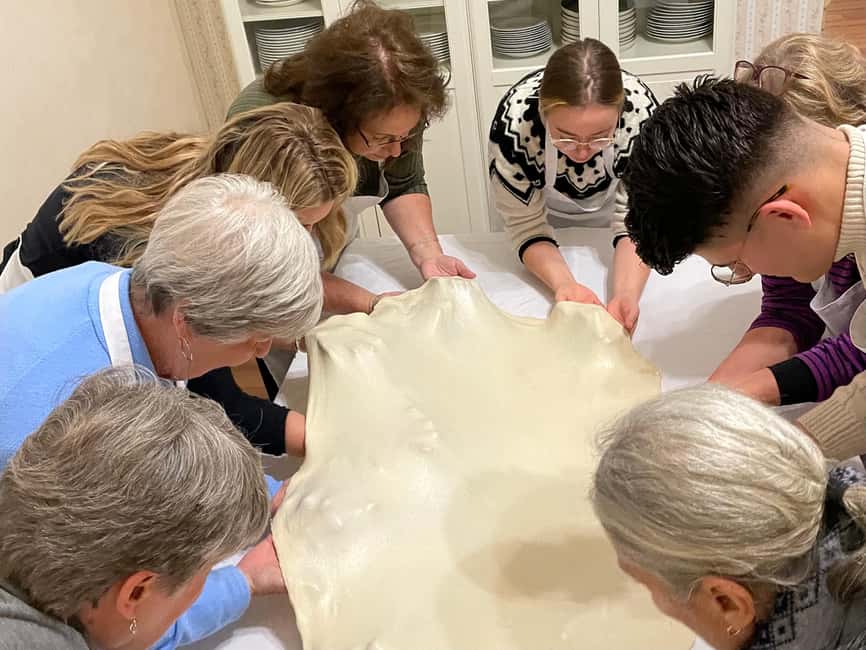
Making two strudels in one class is one of the smartest setups for learning. You get twice the practice with the dough method, plus a real chance to taste how filling choices affect the final result.
You get to make strudels with typical Hungarian fillings. Expect to see combinations like:
- poppy-seed with pumpkin
- sweet or salty cabbage
- sweet cottage cheese cream
In at least one example session, apple and sour cherry were paired with cottage cheese. Those fruit flavors tend to be brighter, while cabbage and poppy-seed options feel more earthy and hearty.
Why this matters for your brain at home: once you learn the stretching and rolling, you can reuse the same technique with different flavors. You do not just memorize a pastry trick. You build a template. The family recipes you take home support that idea, because you can recreate the stretched style and then swap fillings using the class options as your starting point.
Also, tasting matters here. While you are waiting for the oven, you get typical Hungarian bites and drinks. That gives your palate context before the main event. Then, when the two strudels arrive, you can compare crispness, sweetness level, and how different fillings set after baking.
If you have strong preferences, think about what you like most. If you love fruit desserts, choose the sessions that offer apple or sour cherry with cottage cheese. If you prefer savory or less sweet flavors, look out for cabbage options, especially if the class offers both sweet and salty variations.
A few more Budapest tours worth comparing
- Budapest: Essentials of Hungarian Wine Tasting Class
★ 4.9 · 174 reviews - Budapest: Hungarian Cooking Class and Market Walk
★ 5.0 · 91 reviews - Hungarian Strudel Making Class: Stretch & Fill Two Ways
★ 5.0 · 76 reviews - Easy Cooking Class Budapest – with Market Walk (local wine & pálinka included)
★ 5.0 · 62 reviews
What you drink and snack while the strudels bake
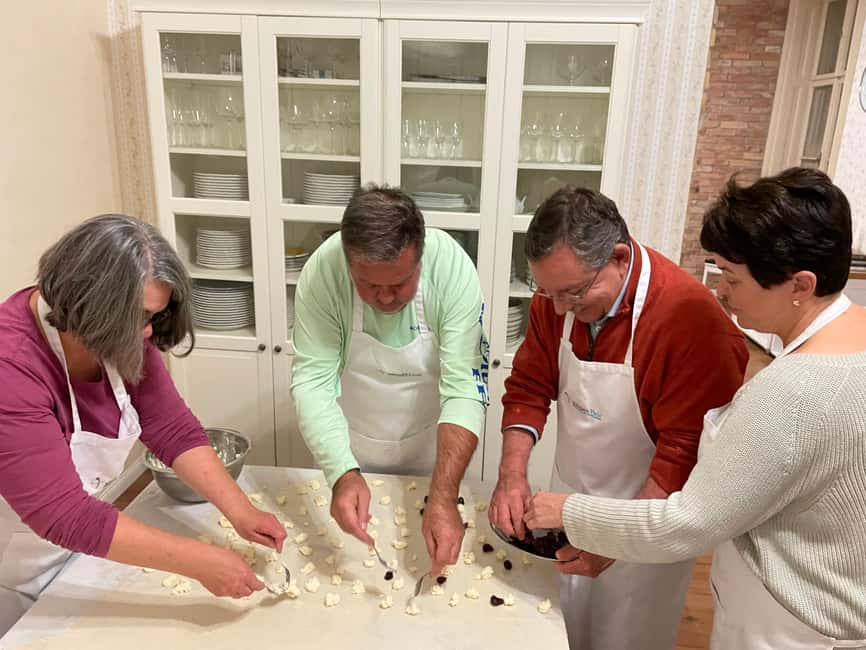
This class treats your downtime as part of the experience. Instead of just standing by an oven, you get Hungarian snacks, drinks, and a little break from your flour-covered focus.
You can expect drinks including Hungarian wine, soft drinks, mineral water, coffee. That mix works well because strudel can be sweet, so water or coffee helps you reset between bites.
One sweet extra that shows up in real examples from the class is homemade soda made from family-grown elderberries and raspberries. It is the kind of detail that makes the whole meal feel personal, not generic.
The snack spread also gives you a way to understand broader Hungarian food culture beyond one dessert. You get typical Hungarian bites while you wait, which means you leave the class feeling like you ate a small Hungarian food program, not only dessert plus an educational lesson.
If you are drinking wine, remember that the class is hands-on and you’ll be working with dough. Keep it moderate, taste a bit, then focus on cooking.
The take-home recipes and how to use them at home
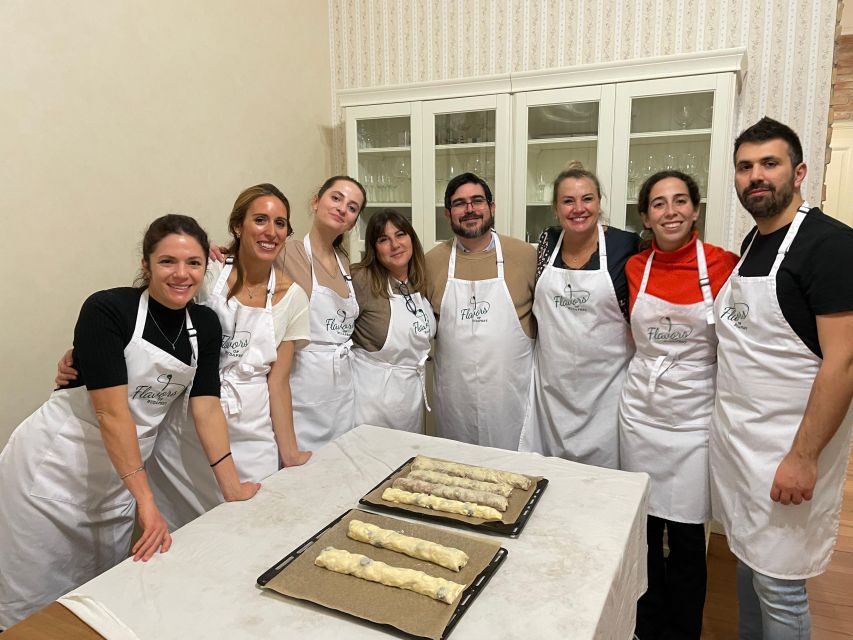
The best souvenirs are the ones that get used. This class gives you family recipes to recreate the strudels yourself. That includes the stretched version technique, not just general instructions.
Here is how I recommend using what you learn. When you get home, do not jump straight into your hardest filling. Start with the dough process first. Read the recipe steps through once, then do a test with a filling you feel comfortable with. Your goal is to recreate the thin stretching, then roll carefully, then bake until crisp.
If you are worried about reproducing the thinness, treat this as a practice skill. Even in a class, the dough is not perfect on the first attempt for everyone. You are learning cues, like when the dough is pliable enough, or how gently to stretch in different sections.
The recipes help because they give you a structured path. Without them, you’d be guessing how much filling to use, or how to balance sweetness and moisture. With family recipes, you get a starting point that matches the way the chef cooks.
And if you want a fun dinner party plan: make two different fillings again. You already have the technique. The class structure basically gives you a blueprint for hosting with a homemade Hungarian dessert.
Price and value: what you get for $90 per person
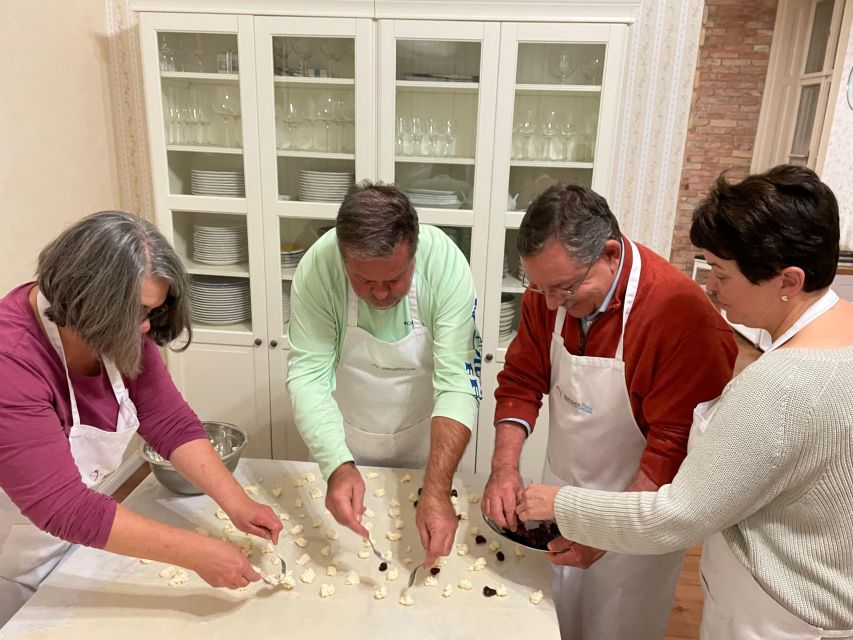
At about $90 per person, you are paying for a full, guided baking session in central Budapest, plus a lot of included extras.
Here is what that price covers in practical terms:
- About 2.5 hours of chef-led instruction in English
- A small group up to 10, so you get individual attention while stretching dough
- All ingredients plus kitchen equipment
- Drinks during the class, including Hungarian wine, plus coffee, soft drinks, and mineral water
- Typical Hungarian snacks
- Two homemade strudels to eat
- Family recipes to take home
When you look at it this way, the cost starts to make sense. You are not just buying “a pastry.” You are paying for time with a professional chef, ingredients, and the skill of stretching dough, then you eat what you make.
If you are budget-focused, the key question is whether you really want to learn a technique you can repeat. If your goal is only to taste Hungarian sweets, a pastry shop might feel cheaper. But if you enjoy cooking, or you want to bring home a skill and recipes, this is strong value.
Who this class suits best, and who should reconsider
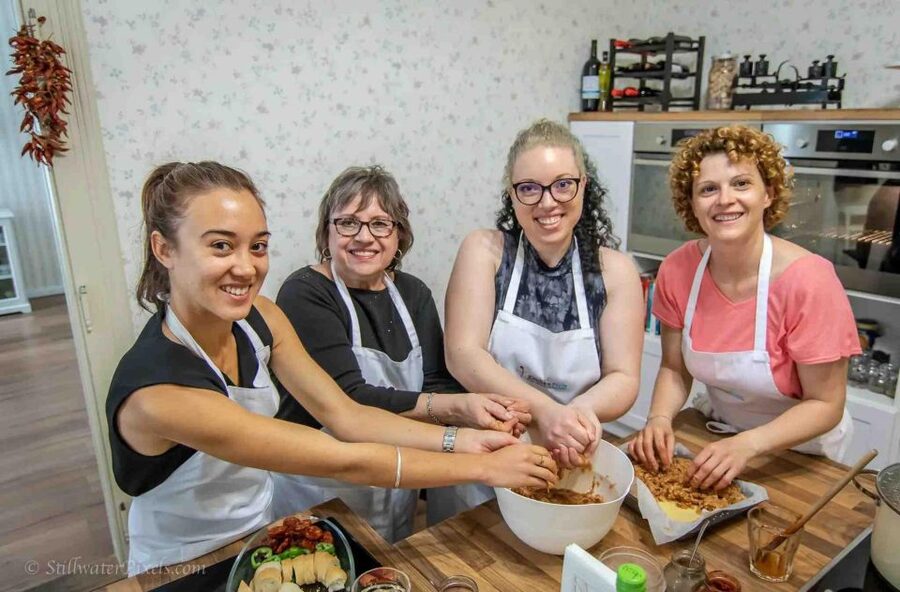
This is a great fit if you like hands-on cooking, you enjoy baking, or you want a Hungarian experience that feels local and taught with pride. The small group vibe and the family recipes make it feel personal.
It is also a good choice if you want something to do in Budapest that is not just another walking tour. This sits in the middle ground: cultural context plus practical cooking skill.
It is not suitable for children under 10. Also, if you dislike active participation, you might find stretching dough requires more patience and attention than you want to spend for a 2.5-hour activity.
Should you book this stretched strudel class in Budapest?
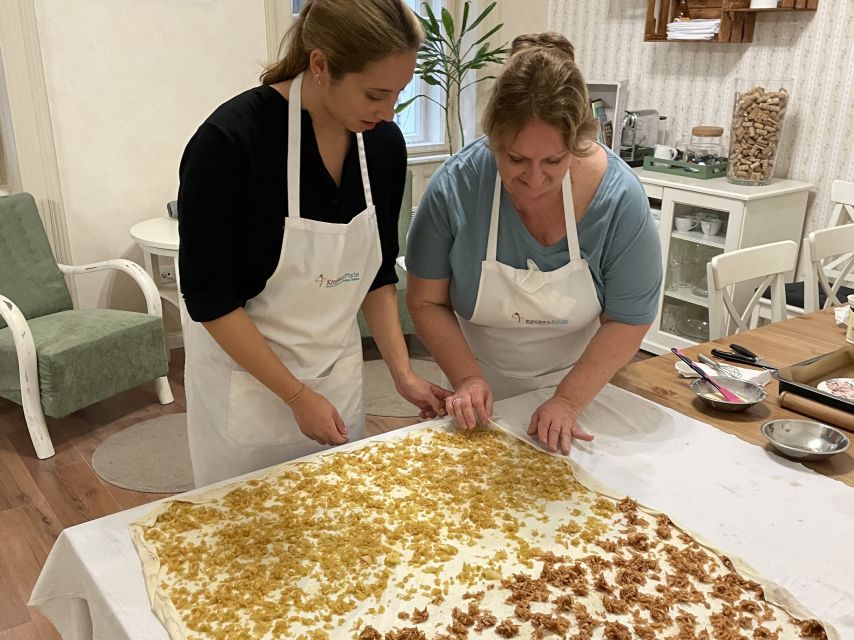
If you want a practical food memory, book it. I like that you get two different strudels, not just one. I also like that Chef Marti teaches in a way you can repeat at home, especially through the family recipes and the clear focus on stretching the pastry thin.
Book this class if you:
- want a chef-guided baking skill, not just tasting
- enjoy Hungarian flavors like poppy-seed, cabbage, or cottage cheese fillings
- want to bring home recipes you’ll actually use
Skip it if you:
- are looking for a passive experience with no hands-on work
- are traveling with kids under 10
- prefer to eat out rather than learn and bake
FAQ
How long is the stretched strudel class?
The class lasts about 2.5 hours. Starting times vary, so check availability for the times offered.
Where do I meet the chef in Budapest?
You meet at the local partner’s private apartment in central Budapest, Király u. 77, 1077 Hungary. The class ends back at the meeting point.
How many people are in the group?
It is a small group limited to 10 participants, which helps you get guidance while you stretch and shape the dough.
Does the class include drinks and snacks?
Yes. The class includes drinks such as Hungarian wine, soft drinks, mineral water, and coffee, plus typical Hungarian snacks while your strudels bake.
What will I make during the class?
You will make stretched strudel, and you will bake two strudels with two different fillings. Typical options include poppy-seed with pumpkin, sweet or salty cabbage, and sweet cottage cheese cream, plus other offered filling choices such as apple or sour cherry paired with cottage cheese.
Is this class suitable for children?
No. The class is not suitable for children under 10 years old.
Recently reviewed around Budapest
- Panoramic hike around Budapest★ 5.0 · 14 reviews
- PRIVATE (7 hours) Budapest and Szentendre city tour with lunch and winetasting★ 5.0 · 4 reviews
- Original Budapest Walking Tour★ 4.0 · 39 reviews
- Budapest Highlights Self guided scavenger hunt and Walking Tour★ 5.0 · 5 reviews
- Hungarian Gastro Cellar: Assisted Tasting Options★ 4.5 · 5 reviews
- Original Budapest Alternative Street Art & Jewish Tour★ 4.5 · 14 reviews
- Bratislava, one day private trip from Budapest with guide!★ 5.0 · 4 reviews
- One hour Hen or Stag private party boat Budapest with unlimited beer and wine★ 3.5 · 6 reviews
Cooking Classes, compared.
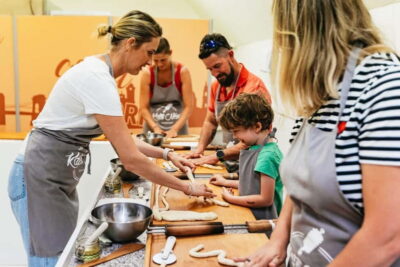
Hungarian Chimney Cake Workshop in the City Center
Read our review →
Budapest Cooking Class & Market Tour with Local Guide & Wines
Read our review →
Chimney Cake Workshop Budapest Downtown – Kürtőskalács Class
Read our review →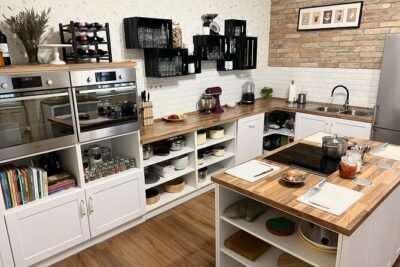
Premium Hungarian Home Cooking Experience with Chef Marti
Read our review →
Hungarian Cooking and optional Local Market Tour
Read our review →
Hungarian Strudel Making Class: Stretch & Fill Two Ways
Read our review →
Browse the lists this tour appears in