
Reviewed · BUDA CASTLE TOURS
Budapest: The WWII Siege of Buda Castle & Bomb Shelter Tour
Budapest’s Castle Hill is already dramatic, but this tour gives you a second layer, literally. You walk the streets tied to the Siege of Budapest and then step into the Buda Castle Cave system and an original WWII bomb shelter. It turns big history into something you can feel in your legs and your skin.
I love the way the guide connects the 52-day siege to real places you can stand in, from cellar rooms to underground corridors. I also love the human scale of the story, using diaries and memoir-style accounts that focus on what people endured. If you are hoping for a light, funny sightseeing stroll, this is not that.
One possible drawback: parts of the route are steep, narrow, and underground. It can feel claustrophobic, and it runs in cold, damp conditions, so you will want to plan for comfort before you plan for courage.
Key things I’d prioritize
- Above-and-below route that mixes Castle District streets with cave and shelter spaces
- Real bomb shelter and cellar visit inside the cave system stretching beneath the district
- Siege focus on the Soviet Red Army encirclement that began on Christmas Eve 1944
- Tough sensory conditions: cold around 12°C in the caves, plus darkness and narrow corridors
- English live guidance with stories grounded in diaries and memoirs
- A finish at Szentháromság tér, so you can keep exploring the Castle Quarter right after
Why the Cave and Bomb Shelter Tour Changes the Castle District
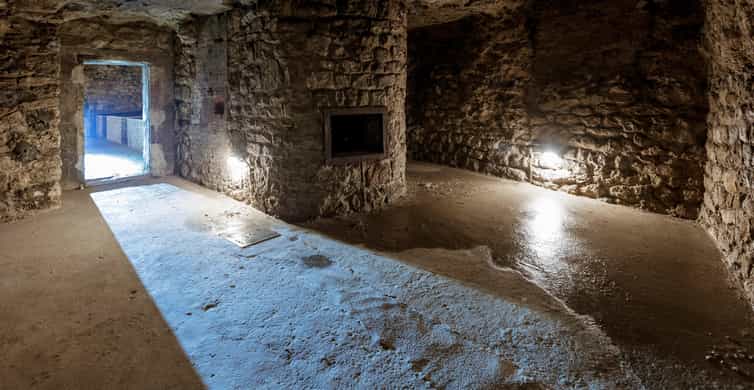
Budapest is full of history, but most of it stays neatly above ground. This experience breaks that rule. You start on Castle Hill, then go under, where the air is cooler and the sound feels different. Suddenly the Siege of Budapest is not just a date on a timeline. It is a place, a shelter, a set of choices made under pressure.
What makes the walking route especially worthwhile is that it is built like a story with stops, not like a list of facts. You get to follow the guide through Castle District streets, then into the underground spaces used for survival. That mix is the whole point: the siege was both an outdoor reality and an underground struggle.
This tour also has a reputation for strong guiding. Names like Rita, Jonas, Kopp, and Balacsz show up in past experiences, and that matters because the best part is the narration, the way the guide ties diaries and survivor accounts to what you see in front of you.
Meeting at De la Motte-B.-Palace: Finding the Turquoise Umbrella
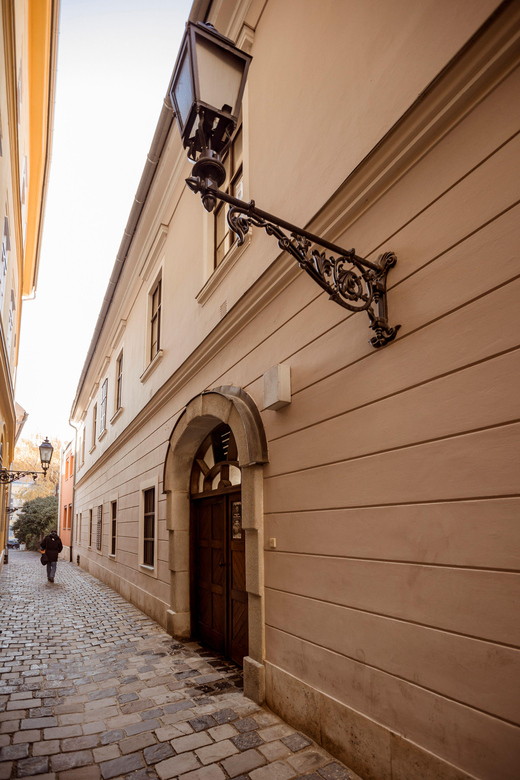
The tour starts at De la Motte-B.-Palace, Dísz tér 15, next to the Posta building. Look for the big green gate and a guide wearing a turquoise umbrella with the Buda Castle Walks logo.
Two practical things to know before you leave your hotel. First, the program starts promptly at the time shown. If you are late, you cannot count on waiting. Second, the tour runs in all weather. That sounds ordinary until you realize part of it is steep stairs and narrow corridors with surfaces that can be wet.
If you like being early, this is one of those tours where showing up 10 to 15 minutes ahead makes the whole start calmer. You can orient yourself in the Castle District first, then settle into the pace.
More Buda Castle and Castle District tours:
- Budapest: Buda Castle Cave Tour
★ 4.7 · 5,677 reviews - Budapest: Buda Castle District Vampires and Myths Night Tour
★ 4.6 · 3,830 reviews - Budapest: Buda Castle Walk with Saint Stephen’s Hall
★ 4.5 · 3,012 reviews
Above Castle Hill: Úri Street, Lovas Way, and Siege Clues in Place
You spend time walking around the Castle Quarter before you go fully underground. The route includes areas such as Úri Street and Lovas Way, which helps you understand how the district was laid out and why people used these neighborhoods as refuges.
Even though the big drama happens underground, the above-ground parts are not filler. They help you get your bearings. As you walk, you are building a mental map of Castle Hill, then the tour takes you into the spaces beneath it. That makes the underground part easier to follow and more meaningful.
In addition, some guides point out remaining traces from the siege era, like features that hint at how people experienced the conflict in everyday spaces. You might notice the kind of small scars that do not scream for attention, but once you know what to look for, you start seeing history everywhere.
If you do not like walking, this is still a walking tour. It is not long in total time, but it uses the legs. Comfortable shoes are not optional.
35 Minutes at Budai Vár-barlang: What the Cave Visit Actually Teaches
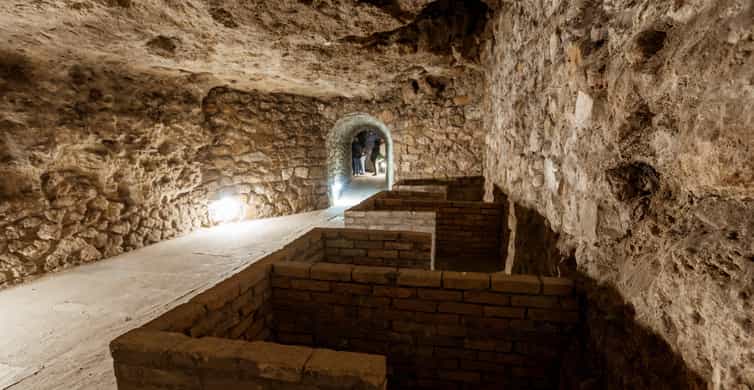
The core underground segment includes a stop at Vár-barlangi séták (Budai Vár-barlang), roughly 35 minutes of guided walking in the cave area. This is where the tour earns its name. You are not just reading about tunnels, you are moving through them.
Cave touring changes your senses fast. Lighting helps, but there is still a different rhythm underground, and your brain has to adjust. Corridors can feel tight. Stairs and uneven footing can slow you down. The temperature stays around 12°C (54°F) year-round, so you will feel cold even in summer unless you dress for layers.
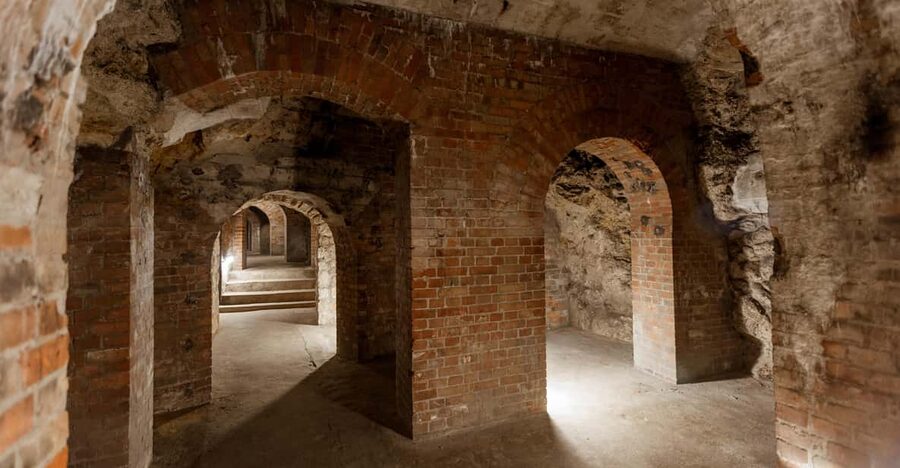
The value here is that you understand the logic of refuge. When people sought shelter in Buda Castle, it was not only about status or walls. It was about underground space: cavities, cellars, and tunnels that could buffer people from bombardment and gave at least some chance at survival.
The Underground Bomb Shelter Story: Christmas Eve 1944 and the 52-Day Siege
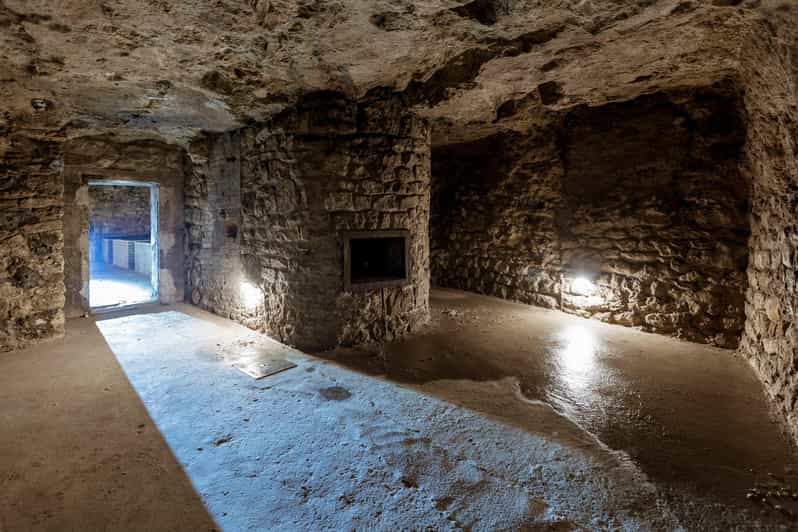
The tour’s backbone is the Siege of Budapest during World War II. You learn how on Christmas Eve 1944, the Soviet Red Army encircled German-occupied Budapest, and the 52-day siege began. That timeline matters because it explains why shelter life lasted so long, not just a few terrifying days.
You also get a clear sense of who ended up underground. The accounts focus on tens of thousands who sought shelter in Buda Castle, including German and Hungarian soldiers, the wounded, and civilians. That mix makes the story more than a single-group tragedy. The siege compressed everyone into the same reality of fear and limited options.
As you walk the labyrinth-like passages, the tour talks about the hardships: cold, lack of water and food, darkness, overcrowding, and disease. And it does not treat underground survival as only suffering. It also includes the instinct to protect what mattered, trying to salvage lives, possessions, and even treasures associated with the Royal Palace.
You end with context for why this siege is often compared to Stalingrad, one of the most brutal encirclement battles in history. That comparison lands because you have felt what encirclement means in physical terms: no easy exit, no quick relief, just endurance and waiting.
If you are sensitive to heavy topics, treat this as an emotionally serious tour. It is not graphic by design in the way some war tours can be, but it is not a casual stroll through a dark attraction.
A different way to spend a day in Budapest:
- Budapest: City Highlights Cruise with Welcome Drink
★ 4.6 · 35,610 reviews - Budapest: Unlimited Prosecco, Beer and Aperol Spritz Cruise
★ 4.8 · 25,310 reviews - Budapest: Széchenyi Spa Day Ticket with Optional Upgrades
★ 4.3 · 23,911 reviews - Budapest: Nighttime or Daytime Sightseeing Cruise
★ 4.2 · 21,062 reviews
What the Cellar and Shelter Stops Feel Like in Real Life
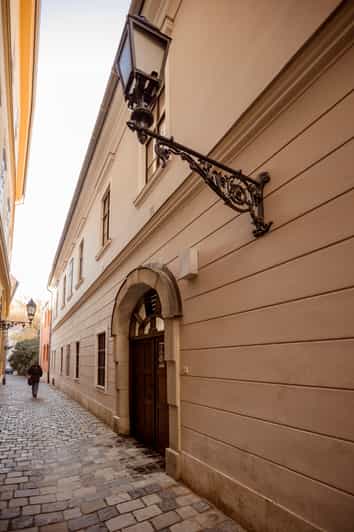
The route includes visits to a cellar of an old dwelling house and an authentic Second World War bomb shelter within the cave system. Those two stops are especially important because they show how different underground spaces served different roles.
A cellar feels intimate and lived-in, like you could almost imagine a family staying close together. A bomb shelter feels engineered for protection, shaped by the practical needs of survival. Put together, they help you understand why people sought the Castle district’s underground systems in the first place.
Because the route is both outdoor and indoor, the tour keeps changing texture. Cobblestones underfoot above ground, then dark but illuminated caves below. The transition is part of the impact. It is easier to understand the fear of moving in darkness when you are actually doing it for a short stretch, under guidance and with lighting.
Audio matters here. In these tight spaces, you want your ears to do their job. Some tour formats use personal audio support, which is helpful when you cannot always hear clearly in enclosed areas. If you are the type who struggles to catch spoken English in busy places, this is worth leaning into.
Comfort, Packing, and the 12°C Cave Reality
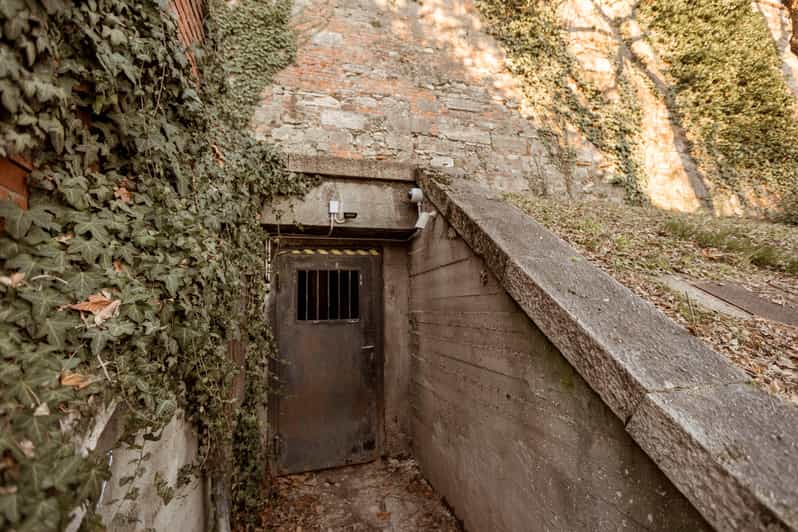
This is a straightforward tour, but your body will notice the details. Plan for a mix of steep stairs, narrow corridors, and solid surfaces that can be wet. The tour is held in all weather conditions, so rain just changes the feel of the cobbles above ground.
Here is what you should bring, based on what the experience calls for:
- Comfortable shoes
- Warm clothing (layers, because the caves are around 12°C year-round)
- Water
- Snacks
A couple of extra practical notes from the way people describe the underground conditions. If you have claustrophobia, this will likely test you. The route can be tight enough that it makes some people uncomfortable. Even if you are fine with small spaces in everyday life, the combination of narrow corridors, darkness, and group pacing can be different underground.
Also, keep your expectations realistic about mobility. Steep stairs and narrow passages are a core part of the experience, not an optional side quest.
Price and Value for 90 Minutes in English
At $24 per person for about 1.5 hours, this tour is priced like a focused specialty experience, not a generic walking tour. The value comes from what you get inside that time window: an English guide, above-ground Castle District context, and access to underground areas including a cave system and an authentic WWII bomb shelter.
A lot of tours spend their whole duration outside, with only photos to connect you to the past. Here, you spend meaningful time underground. That physical involvement is what makes the story stick.
If you are short on time in Budapest but want one experience that feels truly specific to the city, this is a strong candidate. It also works well as a companion to other Castle District stops, because it gives you a lens for what you see after the tour.
Who Should Book, and Who Should Skip It
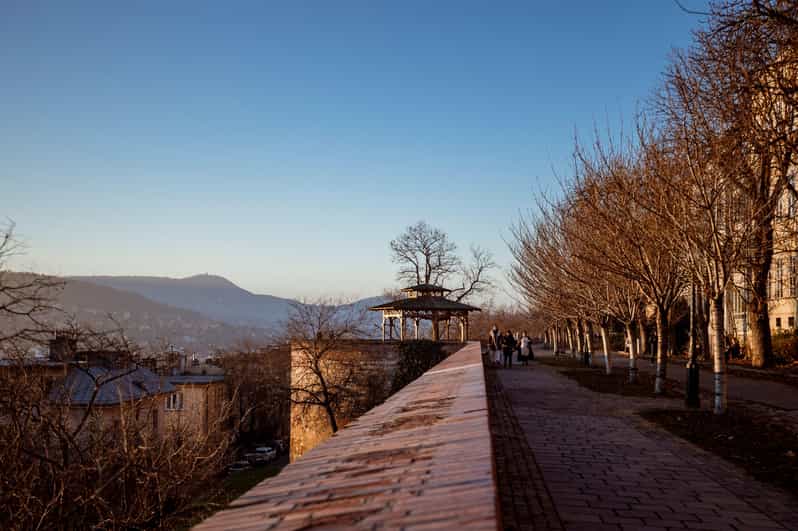
This tour is best for people who enjoy history tied to places, especially WWII history focused on daily survival. It is also a good fit if you like walking tours that teach you how neighborhoods worked under real pressure.
It is recommended for ages 14 and up. It is not suitable for wheelchair users, for people with mobility impairments, and for those with claustrophobia, based on the narrow and confined underground areas.
If you are traveling with teens who can handle intense topics and you all want to see the Castle District from the inside out, it can be a memorable choice. If you want something light and breezy, pick a different Castle Hill option.
The tour ends at Szentháromság tér, which is convenient because you can keep exploring the Castle Quarter right after without needing to crisscross the city.
Should You Book the Budapest Siege of Buda Castle Tour?
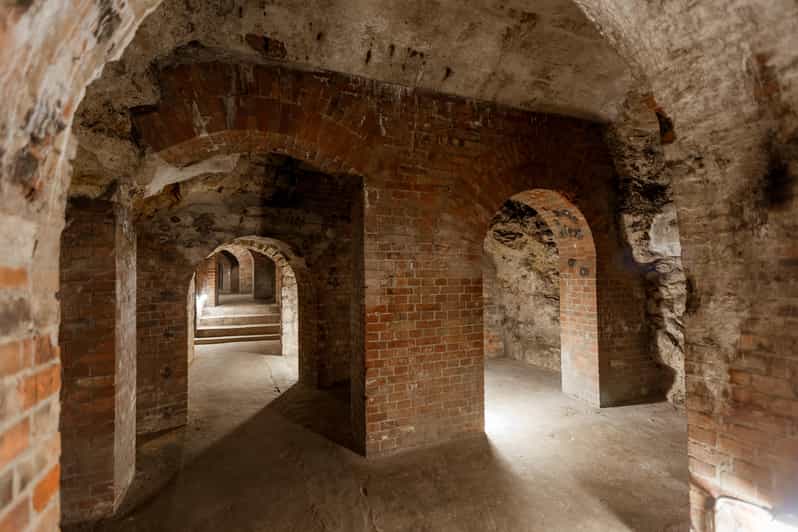
I think you should book it if you want a Budapest experience that goes beyond postcard views. The key strength is the structure: walk the district, then go underground, then connect what you feel in the caves to the real struggle of people trapped during the siege.
I would skip it if you know you struggle with tight spaces, steep steps, or cold indoor environments. The tour runs in all weather and stays cold underground year-round.
If you do book, arrive early, wear shoes you trust on cobblestones, and dress for 12°C underground. Then go in ready for a serious story, told with place-based detail, from above Castle Hill down into the shelter where survival was a daily plan.
FAQ
How long is the Budapest WWII Siege of Buda Castle and Bomb Shelter Tour?
The tour lasts about 90 minutes.
Where do I meet, and where does the tour end?
Meet at De la Motte-B.-Palace, 1014 Budapest, Dísz tér 15, next to the Posta building at the big green gate, looking for a colleague with a turquoise umbrella. The tour finishes at Szentháromság tér.
Is the tour mostly indoors or outdoors?
It is a mix of outdoor and indoor segments, with part of the route above ground and part in the cave system and shelter areas.
What should I bring for the tour?
Bring comfortable walking shoes, warm clothing in layers, water, and snacks.
Is it in English?
Yes, the tour includes a live guide in English.
What ages is the tour recommended for?
It is recommended for ages 14 and up. Children under 14 are not suitable.
Is it suitable for claustrophobia or mobility impairments?
No. The tour is not suitable for people with mobility challenges, wheelchair users, or people with claustrophobia due to steep stairs, narrow corridors, and confined underground spaces.
Recently reviewed around Budapest
- Panoramic hike around Budapest★ 5.0 · 14 reviews
- PRIVATE (7 hours) Budapest and Szentendre city tour with lunch and winetasting★ 5.0 · 4 reviews
- Original Budapest Walking Tour★ 4.0 · 39 reviews
- Budapest Highlights Self guided scavenger hunt and Walking Tour★ 5.0 · 5 reviews
- Hungarian Gastro Cellar: Assisted Tasting Options★ 4.5 · 5 reviews
- Original Budapest Alternative Street Art & Jewish Tour★ 4.5 · 14 reviews
- Bratislava, one day private trip from Budapest with guide!★ 5.0 · 4 reviews
- One hour Hen or Stag private party boat Budapest with unlimited beer and wine★ 3.5 · 6 reviews
Buda Castle Tours, compared.

Buda Castle District Vampires and Myths Night Tour
Read our review →
Buda Castle District Dark History, Legends and Vampire Night Tour
Read our review →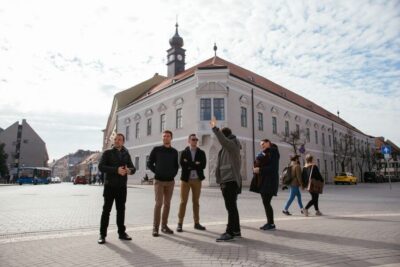
Buda Castle District Walking Tour with a Historian
Read our review →

Browse the lists this tour appears in