Reviewed · 3-HOUR EXPERIENCES
Art Nouveau Tour in Budapest: 3-Hour Private Tour
Budapest’s Art Nouveau story, known locally as szecesszió, is one of the quickest ways to see how a city can express itself in stone, iron, and even flower-like flourishes. I love the way this tour explains why so many late-19th-century facades in Pest look like they are wearing a costume, and how the style shaped everyday streets. I also like the symbolism and cultural clues, like Hungarian folk motifs woven into designs, plus the details behind those odd, memorable beehive shapes you see on public buildings. One thing to consider: the tour is not suitable for people with mobility impairments, so you need to be comfortable walking and standing for a good chunk of the 3 hours.
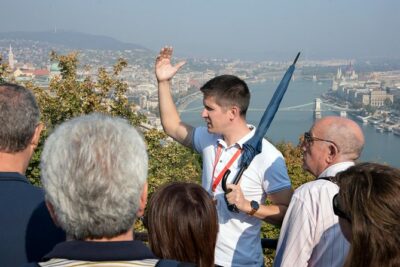
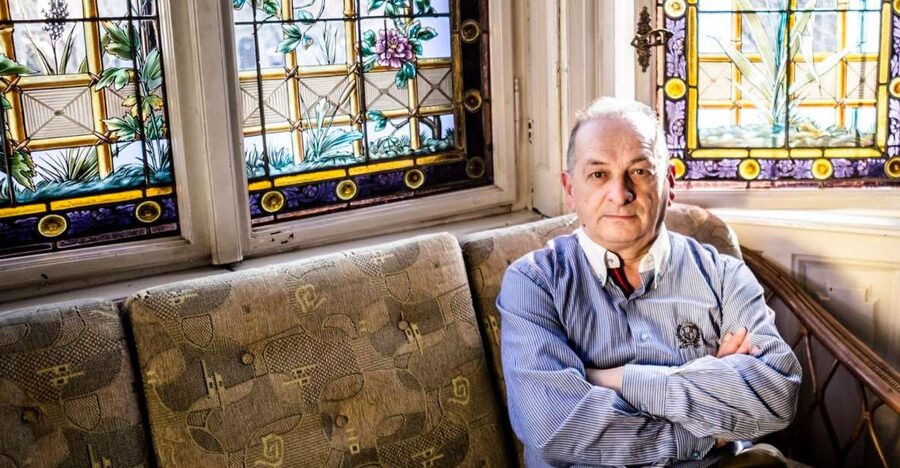
The private format is a real plus. You get pickup included from your accommodation in Budapest, then your guide takes you to the first stop and sets the pace. Guides such as Miklos are specifically praised for answering individual questions and pointing out Art Nouveau details you would likely miss on your own.
Key things you’ll notice on this Budapest Art Nouveau tour
- Secession (szecesszió) explained clearly, including why the name matters in Hungarian culture
- Decorative facades as a clue, not just pretty buildings
- Beehives on public buildings, with meaning behind the symbol
- Hungarian folk motifs shown as design ingredients, not random decoration
- Architect stories and design reasoning, so buildings make sense, not just look good
- A guide who works with your questions, not a rushed group lecture
Budapest’s Art Nouveau, or szecesszió, is city storytelling in disguise
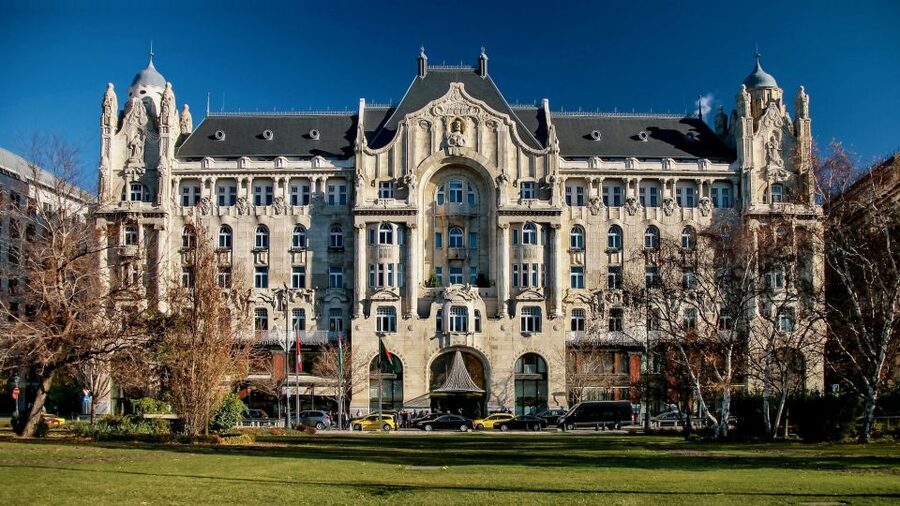
If you only know Budapest for the Danube views and the big postcard landmarks, you can still get surprised here. Pest in the late 1890s and early 20th century went through a design moment when architecture started doing more than being practical. It started communicating identity. That is what makes this kind of Art Nouveau tour so satisfying.
On this 3-hour private walk, you focus on the look of the buildings, then you connect that look to the “why.” You learn why the facades of so many late-19th-century buildings are extra decorative, what Art Nouveau changed about architecture, and why Budapest did not grow into the skyscraper city that some places did. You also get the local language of the style: in Hungary, Art Nouveau is called Secession, szecesszió. It is a simple word, but it opens a door to understanding how the movement fit into Hungarian cultural thinking, not just international trends.
A few more Budapest tours worth comparing
- 3-Hour Orientation Walking Tour of Buda and Pest
★ 4.8 · 1,834 reviews - Budapest: 3-Hour Grand City Tour and Castle Walk
★ 4.3 · 1,437 reviews - Budapest: 3-Hour Live Guided Sightseeing Tour
★ 4.4 · 1,041 reviews
What 3 hours and a private group really mean for you
This is designed as a 3-hour private tour, so you do not get stuck waiting for a big pack of people or tuning out when the route does not match your interests. Your guide starts with pickup from your accommodation in Budapest, then you travel together to the first stop.
That format matters because Art Nouveau is detail-heavy. If you are trying to spot these buildings on your own, you will often miss the small things: the symbolic motifs, the way ornament supports the overall structure, or the design logic behind the facade. A private guide helps you slow down at the right moments.
The practical side: you will be outside. Bring comfortable shoes and wear comfortable clothes. If the weather is cold, dress for it. One guide is described as making time fly even on a chilly day, but your body still needs the right layers.
Stop 1: The late-19th-century facade lesson that changes how you look at streets
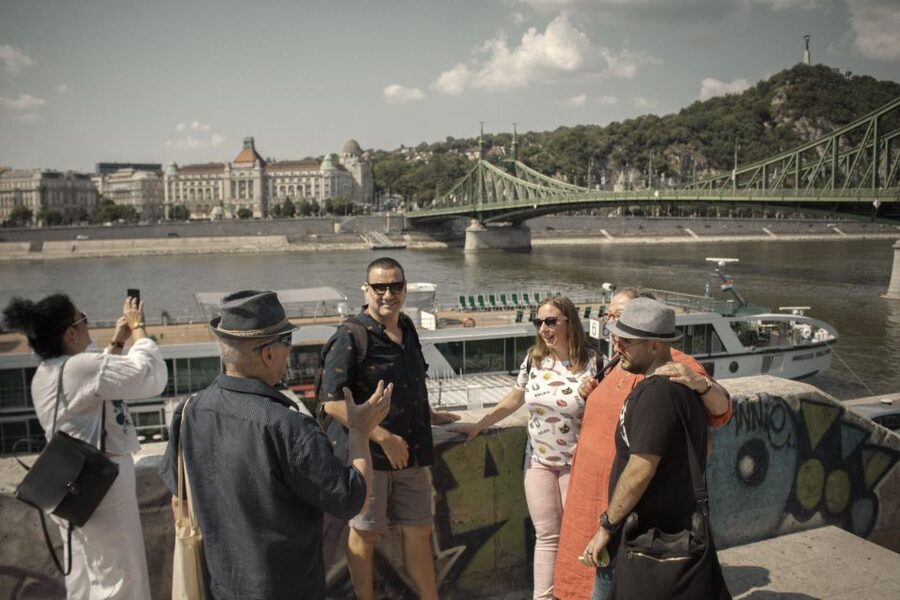
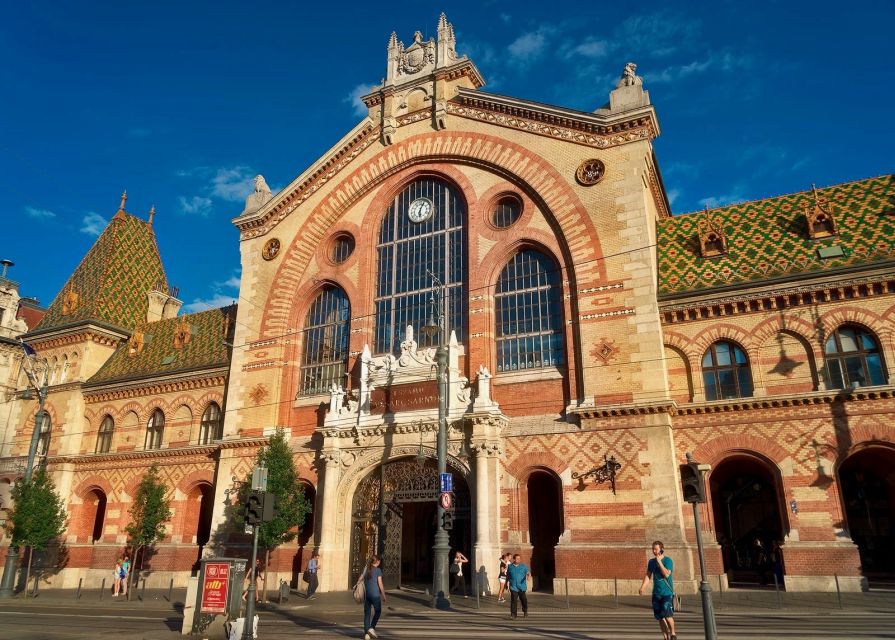
The tour gets its power from teaching you how to “read” what you are seeing. Early on, your guide will help you understand why the facades of many buildings from the late 19th century are so decorative. This is not just an aesthetic choice. It is also a way to show status, civic pride, and artistic ambition in a growing urban area.
Here is what you should pay attention to at this stage:
- Decorative elements that frame windows and doorways like they are part of a living pattern
- Ornament that looks almost floral, but is also structural in the way it shapes the facade
- Repeated motifs that help you identify a style quickly once you know what to look for
A small drawback to know upfront: because the explanation is visual, you need to keep your attention steady. If you rush, you will lose the thread. The fix is simple. Stop where the guide stops, look up, and let the building become the “text.”
Why Budapest has no skyscrapers, and what that says about the city
You will also hear a very Budapest-specific answer to a big architectural question. The tour explains why there are no skyscrapers in Budapest.
Even if you already know the common explanations for why certain cities grew one way and not another, this is still useful. It frames the architecture you are seeing right now as part of a larger set of constraints and choices. The buildings you will notice on this tour are not random. They are a product of the time, the materials, and how Pest wanted to project itself.
For you, the payoff is mental. When you understand the “why” behind building height and style, you start noticing how Art Nouveau fits into that logic instead of feeling like a strange detour.
A different way to spend a day in Budapest:
- Budapest: City Highlights Cruise with Welcome Drink
★ 4.6 · 35,610 reviews - Budapest: Unlimited Prosecco, Beer and Aperol Spritz Cruise
★ 4.8 · 25,310 reviews - Budapest: Széchenyi Spa Day Ticket with Optional Upgrades
★ 4.3 · 23,911 reviews - Budapest: Nighttime or Daytime Sightseeing Cruise
★ 4.2 · 21,062 reviews
Bee hives on public buildings: why the symbol is more than decoration
One of the most memorable parts of Budapest architecture is how symbols show up in everyday spaces, especially on public buildings. During the tour, you learn about beehives and what they symbolize.
That matters because Art Nouveau often uses symbolism to communicate values without writing a sentence. In many contexts, bees link to ideas like industry, community, and collective work. The point on this tour is not to treat it like a trivia contest. It is to help you connect what you see on the facade to the cultural language embedded in design.
What to do as you look:
- Take an extra moment for the motifs on public-facing areas of buildings
- Notice whether the decoration is integrated into the structure or stuck on as an afterthought
- Watch for repetition, since designers often “echo” themes across a neighborhood
Possible drawback: if you are expecting the tour to be only about aesthetic appreciation, the symbolism parts may slow you down. I like that. It turns the streets into a readable map.
Folk motifs in Hungarian Art Nouveau: where identity becomes design
Another big theme is how Hungarian folk motifs got built into Art Nouveau designs. This is where the tour becomes more than an architecture walk. It becomes a culture walk.
You do not just hear that folk motifs exist. You learn why they are important, and how they appear within Art Nouveau forms. That means you can look at a building and start connecting it to Hungarian creative traditions rather than treating Art Nouveau as something imported and slightly disconnected.
For you, this changes the experience in a practical way:
- You get a faster “recognition habit” for motifs you can spot from the street
- You stop seeing ornament as random and start seeing it as language
- You get a bridge between Budapest’s visual style and Hungarian cultural identity
Architect stories that help you remember what you saw
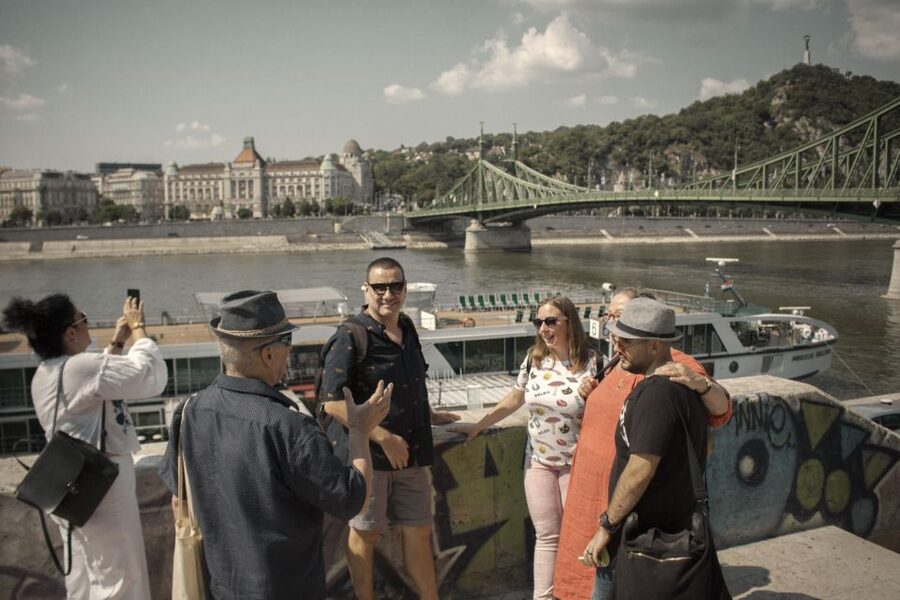
Art Nouveau in Budapest comes with personalities, and your guide uses those people to make the architecture stick. You will hear fascinating tales about the architects behind some of the buildings you view.
This is where private guiding earns its keep. When someone explains design choices and career stories, you remember buildings by their logic, not just by their looks. You also start understanding how the movement shifted architecture in that late 19th and early 20th century window.
A small tip that makes these moments work: take one photo, then put your phone away for 10 seconds and look again. The story gives you a second layer, and without that short gap, you may miss the detail your guide is pointing out.
Learning the local rhythm with tram and underground context
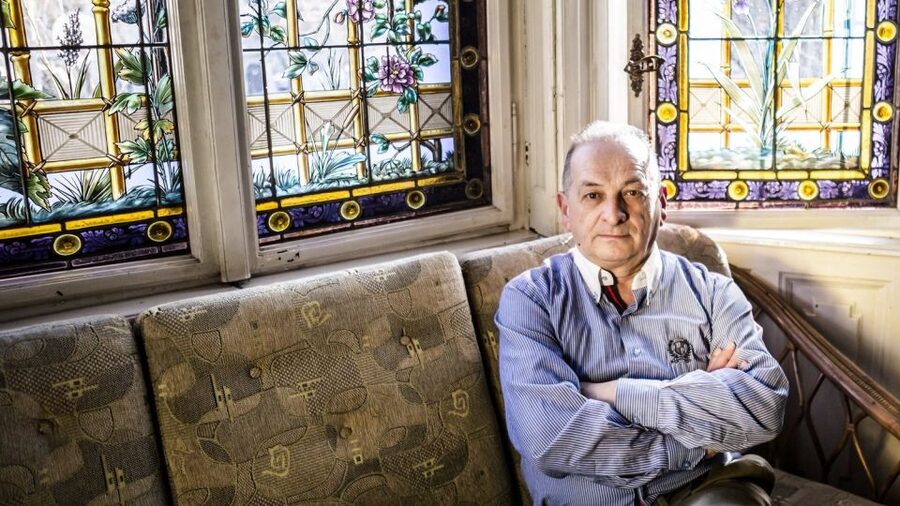
One review highlights that the guide also introduces the underground and tram system as part of the experience, alongside covering Art Nouveau buildings. I like this because it helps you connect architecture to how people actually move through the city.
Even if you already know Budapest has trams and metro lines, getting the “how locals think about transit” angle can help you plan your own walking routes after the tour ends. You stop viewing the city as separate attractions and start seeing it as a system.
For planning your day: give yourself a little flexibility afterward. When your brain finally understands the street layout and transit logic, the rest of Budapest tends to click faster.
Price and value: is $127 per person worth it for 3 hours?
At $127 per person for a 3-hour private tour, the big question is value.
For architecture lovers, this can be a strong deal, mainly because you are not paying for a bus ride. You are paying for:
- A guide focused on your pace and questions
- The ability to interpret details you would miss on your own
- A curated set of themes (szecesszió, decorative facades, skyscraper context, beehives, folk motifs, architect stories)
Also, practical extras are included, like notebooks and pens and printed material. That does not sound glamorous, but it helps you keep track of what you learned while your memory is still fresh.
If you are the kind of traveler who likes to move fast and grab photos, you might feel the cost more. If you enjoy explanations and noticing details, the price starts to make sense quickly.
What’s included, what’s not, and what you should pack
Included:
- Notebooks
- Pens
- Printed material
Not included:
- Food and drink
- Transportation
That means you should plan to grab a snack on your own or continue later. Since the guide picks you up and then you walk, think like this is a sightseeing block, not a full day.
What to bring is simple and accurate:
- Comfortable shoes
- Comfortable clothes
Add one more thing for real comfort: bring a light layer even in mild weather. Art Nouveau buildings are photographed best when you can stand still long enough to take in the facade, and that is easier when you are not freezing.
Who this tour suits best, and who should choose differently
This is a strong fit if you are interested in:
- Architecture and design details
- Budapest and Hungarian history and culture
- Learning why a style became important in Budapest and how it shaped the city
It is also a good match if you want a guided experience that does not feel scripted. The private group setup supports asking questions, and guides like Miklos have been praised for being friendly, responsive, and able to handle curiosity.
Who should skip it:
- People with mobility impairments, since it is not suitable
If you travel with a lot of mobility needs, you may want a different format, like a shorter, mostly seated experience. But for anyone who can walk comfortably, this tour is a great use of limited time.
Practical tips to get the most out of Pest’s Art Nouveau details
A few small habits make this tour much more rewarding.
- Look up early
Art Nouveau impact shows in the upper parts of buildings. Raise your gaze often.
- Ask one question at each stop
Since this is private, you can steer the discussion. Ask about symbolism, materials, or why the facade is so ornate.
- Dress for standing and weather
You will be outside for parts of the walk. Cold days happen.
- Confirm pickup details the day before
Pickup is included, and clarity matters. If a provider cannot reach you, it can become stressful. Having your accommodation address ready and confirming the exact meeting point helps.
- Use the notebook right away
The included notebook and pen are meant to help you remember motifs and building explanations when you are back on the street.
Should you book this Art Nouveau Tour in Budapest?
Book it if you want an efficient way to understand szecesszió and Budapest through architecture, not just through monuments. The private format, the focus on symbols like beehives, and the attention to Hungarian folk motifs make it ideal for people who like meaning behind what they see.
Skip it if walking is hard for you, or if you are only interested in quick photo stops with minimal explanation. For everyone else, this is a smart 3-hour investment that helps you see Pest with new eyes.
FAQ
How long is the Art Nouveau Tour in Budapest?
It lasts 3 hours.
Is this tour private?
Yes. It is a private group tour.
Where does the tour start?
Your guide meets you at your accommodation in Budapest for pickup, then you go together to the first stop.
What languages are the live guides available in?
The live tour guide is available in English, German, and Albanian.
What is included in the tour price?
Included items are notebooks, pens, and printed material.
Is food or drink included?
No. Food and drink are not included.
Is transportation included?
Transportation is not included.
What should I bring?
Bring comfortable shoes and comfortable clothes.
Is the tour suitable for people with mobility impairments?
No. It is not suitable for people with mobility impairments.
What is the cancellation policy?
Free cancellation is available up to 24 hours in advance for a full refund.
One last question to ask yourself before booking
Do you want to understand why Budapest’s Art Nouveau looks the way it does, including the local meanings like szecesszió, beehive symbolism, and folk motifs? If yes, this private 3-hour format is a very efficient way to get that clarity.
Recently reviewed around Budapest
- Panoramic hike around Budapest★ 5.0 · 14 reviews
- PRIVATE (7 hours) Budapest and Szentendre city tour with lunch and winetasting★ 5.0 · 4 reviews
- Original Budapest Walking Tour★ 4.0 · 39 reviews
- Budapest Highlights Self guided scavenger hunt and Walking Tour★ 5.0 · 5 reviews
- Hungarian Gastro Cellar: Assisted Tasting Options★ 4.5 · 5 reviews
- Original Budapest Alternative Street Art & Jewish Tour★ 4.5 · 14 reviews
- Bratislava, one day private trip from Budapest with guide!★ 5.0 · 4 reviews
- One hour Hen or Stag private party boat Budapest with unlimited beer and wine★ 3.5 · 6 reviews
3-Hour Experiences, compared.
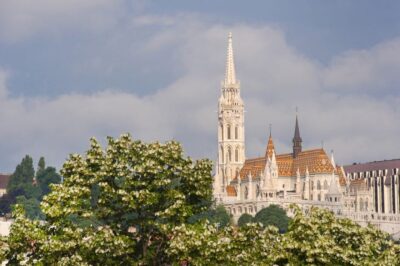
3-Hour Orientation Walking Tour of Buda and Pest
Read our review →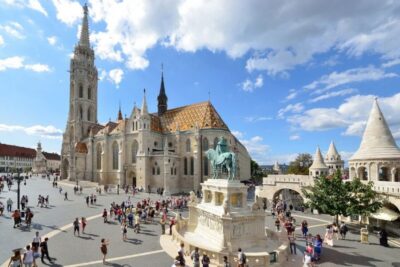

3 Hours Budapest Segway Grand City Tour Buda, Margaret and Pest
Read our review →
3-hour City Tour with Castle Walk + 1-hour Cruise
Read our review →
3-Hour Live-guided Bus Tour and 1-hour River Cruise
Read our review →