Reviewed · HISTORICAL TOURS
Historical and Cultural Guided Tour of Budapest
This private full-day tour works because Budapest rewards context. You get the big landmarks, plus the human stories behind them, with a guide who can steer your day. I especially like the private guide attention and the way the itinerary connects sites to Hungarian life and politics. One thing to consider is that entry fees are extra, so your final cost depends on what you choose to go inside.
The pacing also feels practical. In past groups, guides such as György and Rashad have been praised for making the city click with clear, friendly explanations and excellent English. You’ll start at 9:00 am, move steadily for about 7 hours, and cover a lot of ground, so bring comfortable shoes.
If you want a single day that helps you get your bearings fast, this route from Heroes’ Square through the Jewish Quarter and over to Buda Castle does the job. Expect iconic stops, plus a few moments that are quiet and serious, like the Danube memorial.
Key highlights you will actually feel during the day
- Private full-day structure that still lets you tailor what you focus on
- Icon-to-story connections, so buildings make sense instead of looking like postcards
- Andrássy Avenue and the Opera House, with architecture you can read once your guide explains it
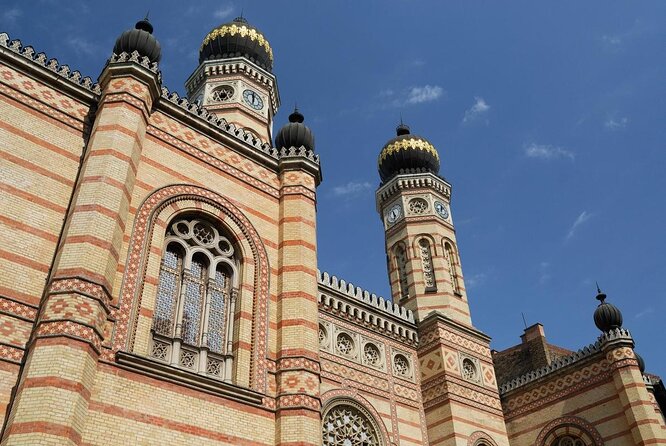
- Jewish Quarter sights, including the Holocaust Memorial and the area’s synagogue landmark
- Shoes on the Danube Bank, short stop, big emotional weight
- Buda Castle and Fisherman’s Bastion views, a good payoff for the walking
A private Budapest day that gives you the missing context
Budapest can feel like two cities stitched together. You have grand palaces on one side, riverside monuments and cafés on the other, and streets that look “beautiful” until someone explains why they matter. This tour is built to fix that. You won’t just point at sights. You’ll understand the themes: empire and nation, faith and power, tragedy and survival, plus how ordinary people have lived through it all.
What makes it work well is the format. It’s a private tour for your group only, up to 15 people, with hotel pickup and a guide who stays with you the whole time. That matters because you can ask follow-up questions instead of losing your chance when a coach group moves on.
The tour is also time-conscious. It runs about 7 hours starting at 9:00 am, which is a smart length for covering the main highlights without turning your day into a blur of museum tickets and hurried photos. You should still plan on walking at a steady pace. Your guide will use a mix of walking and transit between areas, which is a big reason the day feels efficient.
More history-led tours in Budapest:
- Budapest: Historic Cruise with Welcome Drink
★ 4.7 · 6,512 reviews - Budapest Historical Sightseeing – Free Walking Tour
★ 5.0 · 1,302 reviews - Buda Castle District Dark History, Legends and Vampire Night Tour
★ 4.5 · 1,240 reviews
Heroes’ Square to City Park: Hungarian identity in stone and public life
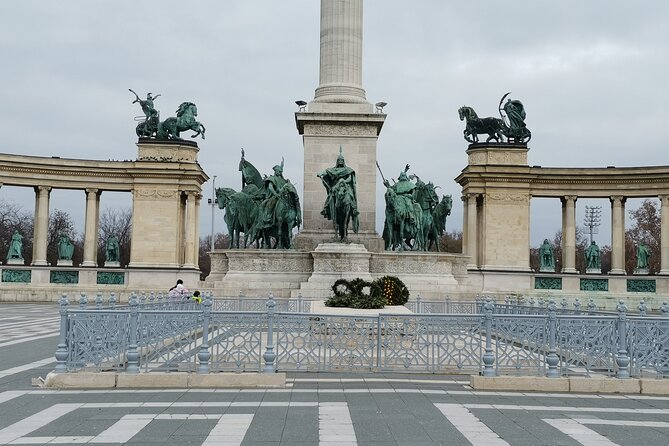
You start at Heroes’ Square, one of the most iconic public spaces in Budapest. The statues and layout are not random. They’re a visual summary of how Hungary wanted to present its key figures, and it’s a great place to set the “roots” tone for the rest of the day. The atmosphere here helps you see later monuments as part of a broader story, not isolated architecture.
From there you move into Budapest Park, one of the earliest public parks of its kind in the world. This stretch is more than a breather. It’s where you begin to notice how the city balances grandeur with everyday life. You get a pleasant walk, and you can reset your pace before the more intense stops later.
While you’re in the park area, you’ll also see the largest spa in Europe during the walk. That’s a useful little moment because it changes your mental map of Budapest. It’s not only castles and memorials. It’s also thermal culture, leisure, and the idea that public wellness belongs in the city core.
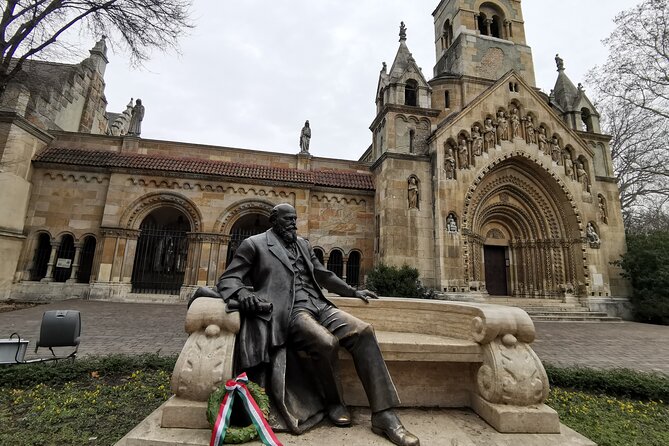
Then you visit Vajdahunyad Castle, which looks like a storybook stop. The important detail is that it’s a fantasy pastiche, built to reflect the architectural evolution of Hungary through different centuries and styles. In other words, it’s not “one real palace from one exact year.” It’s a compact visual lesson about how Hungary wanted its architectural identity to be understood.
Practical tip: this early section is ideal for photos. Light can be nice here in the morning, and you’ll feel less rushed before the tighter, busier neighborhoods.
Andrássy Avenue and the Opera House: the city’s grand boulevard mood
Next comes Andrássy Avenue, Budapest’s answer to a famous grand boulevard. It’s lined with Neo-renaissance mansions and townhouses, with high-end shopping and places to stop for coffee. Even if you’re not shopping, the street is a “readable” gallery of style.
What makes this stop valuable on a guided tour is the way you learn to look. Once someone explains what you are seeing, those façades start to feel like they’re telling you something about class, culture, and ambition in different eras.
You then reach the Hungarian State Opera House. This is the kind of landmark you can walk by on your own and still feel impressed. With a guide, you learn why it earned that reputation, and you understand why the building fits so perfectly into Andrássy Avenue’s polished, ceremonial tone. The Opera House is one of those places where knowing the basics changes your impression from pretty to meaningful.
Time check: this part of the day is short and focused. You’re not stuck in a long interior schedule, so you keep momentum for the neighborhoods that need your attention more.
The Jewish Quarter and the weight of the past in a real neighborhood
Then you move to Budapest’s Jewish Quarter, a district with layers. It includes what used to be the ghetto area, and it’s also home to major landmarks like the Holocaust Memorial and the area’s synagogue anchor that is described as the largest in Europe.
This is where the tour becomes emotionally serious, but not vague. The idea is to connect the memorial sites to place, to help you understand that these are not abstract historical concepts. They’re part of a city landscape that people still live in now.
You also get a sense of modern Budapest around these historic sites. Even where ruin bars are mentioned as part of the area’s character, that context helps you avoid a common mistake: treating the Jewish Quarter like a museum district only. Your guide helps you see it as lived history, shaped by what happened and by what continues.
Important practical note: the time you have here is longer than some other stops, about 1 hour, and some related attractions have admission not included. If there’s a specific place inside you want to prioritize, you may want to plan for paid entry.
This is also an area where your comfort matters. Many guests appreciate having a friendly guide who can explain the complicated parts clearly without rushing. Guides have been praised for making groups feel comfortable, including when traveling with family.
A few more Budapest tours worth comparing
- Budapest: Parliament Building Entry Ticket and Audio Guide
★ 4.5 · 3,844 reviews - Budapest: Opera House Guided Tour
★ 4.6 · 1,533 reviews - Budapest Small-Group Guided Tour on MonsteRoller e-Scooter
★ 5.0 · 1,517 reviews - Budapest: Bar Crawl with a Local Guide
★ 4.9 · 1,112 reviews
St. Stephen’s Basilica: a grand church with a specific relic
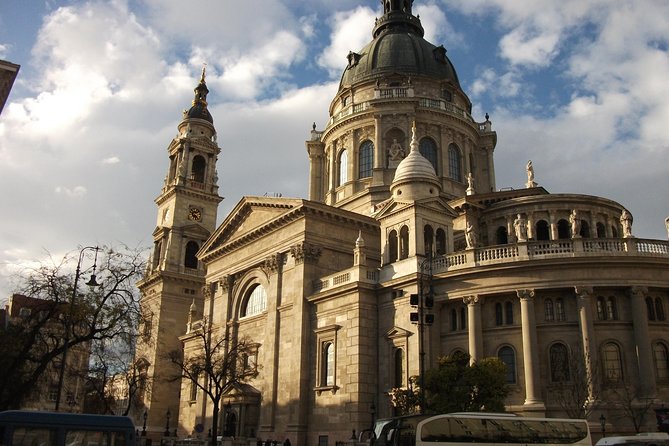
After the Jewish Quarter, you head to St. Stephen’s Basilica (Szent István Bazilika). This is the largest church in Budapest dedicated to Hungary’s first king. You’ll learn about why that dedication matters and what the basilica contains.
One of the most striking elements is the Holy Right Hand, a mummified relic associated with St. Stephen. Whether or not you are religious, relic culture is a big part of how places like this carry meaning across centuries. On this tour, you don’t just see the building. You get the explanation that makes the relic feel like a historical cornerstone, not a random museum object.
The stop is about 20 minutes. That’s a good length. You get the context, you can look around, and you still have time for the next political anchor without your day turning into a schedule fight.
Tip for yourself: if you want extra silence, stand back for a moment. Big churches can feel like “just another interior” when you’re moving fast. Slowing down for 30 seconds here pays off.
Parliament Building and the 56 revolution context
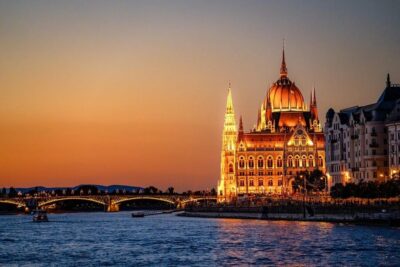
Next is the Hungarian Parliament Building. This is a must on any Budapest list, but a guided visit adds the missing layer. You walk around the building and learn the connections to communist Hungary, dictatorship, and the events around the 1956 revolution.
What I like about including Parliament as a walking stop is that it’s not only architecture. It becomes a real lesson in how political systems leave marks on cities, laws, and public memory.
One caution: if you want to do an inside tour of the Parliament, it requires planning. The tour note here is clear: you should book your ticket online before your day, then send the guide the start time so they can adjust the schedule. If you skip that, you’ll still do the exterior focus.
Practical approach: if this inside visit is a top priority, treat it like a timed appointment. If it’s not, keep your plan flexible. The exterior walk still gives you the backbone of what happened here.
Shoes on the Danube Bank: a short stop that hits hard
You then reach Shoes on the Danube Bank, a memorial designed to help you understand a sad story. The stop is brief, about 5 minutes, and that’s intentional. It’s a moment for attention, not a long detour.
Even with a short time window, the guided context matters here. Without it, you might read the memorial as a generic “remember this tragedy” sign. With it, you understand what the tribute is pointing to and why the placement along the river is part of the message.
If you tend to move quickly through emotional sites, this stop is a reminder to slow down. Your guide’s job is to keep it respectful and grounded, not sensational.
Buda Castle: medieval power and a long climb worth it
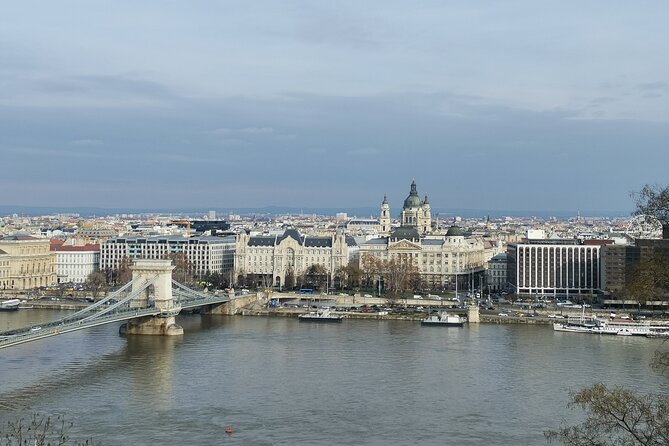
After crossing the Chain Bridge, you enter the Buda side and head to the Buda Castle area. This is the medieval residency place of Hungarian kings from the 14th century and beyond.
The length here is about 2 hours, which is enough time to see the area without turning it into a scavenger hunt. The key benefit is that the guide helps you connect the castle complex to the idea of shifting power across time. You start to see the castle not as a single “old building,” but as a changing seat of authority.
Buda Castle is also where you get that classic view feeling. You’ll likely feel the scale, even if you don’t sit down. The guide’s explanations help you appreciate why these walls, courtyards, and vantage points became so central to Hungarian identity.
Practical tip: pace yourself. Two hours in the castle area includes walking and standing. If your feet start complaining, take a moment in a spot where you can look out toward the river. It helps.
Fisherman’s Bastion: the view stop that rewards your effort
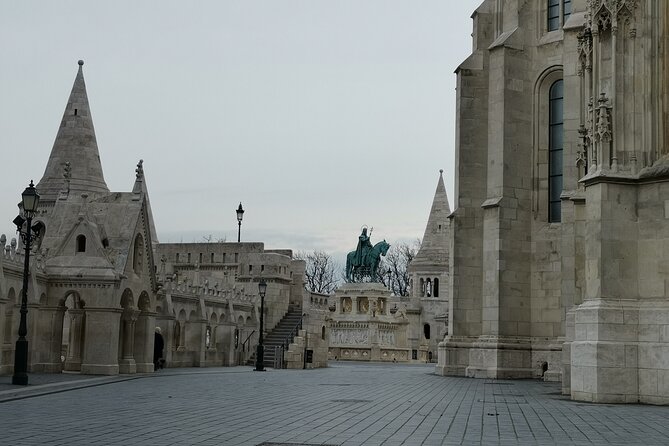
To finish the day’s big sights, you visit Fisherman’s Bastion. It’s known for panoramic city views and is a great time for photos.
This stop is about 15 minutes, which is just right for most people. You can walk the viewpoint edges, take pictures, and catch your breath. Because this is the last major viewing payoff in the itinerary, it feels like the day earns its ending.
If you want to remember Budapest after you leave, this is one of the moments that makes it easy. The skyline, the river bends, and the castle backdrop all show up at once.
Price and value: what $396.52 per group really means
The price is $396.52 per group, for a private tour up to 15 people, lasting about 7 hours. Since it is per group, your value depends on how many people are in your booking.
Here’s the simple math idea: if your group fills closer to 15, you are paying far less per person than if it’s just a couple. If you’re traveling as two or three, the tour is pricier per head, but you’re still buying a full-day private guide, hotel pickup, and an organized route that saves time and confusion.
What’s included:
- a local guide and a professional guide
- a private full-day tour
- hotel pickup
- mobile ticket
- English offering
What is not included:
- food and drinks
- transportation to and from attractions
- entry tickets for attractions that require them, and note that some stops explicitly list admission as not included
Also, keep your expectations realistic. This tour is about sights and context, not about dining. It’s smart to plan a lunch near a major landmark and treat meals as your own adventure.
If you hate wasting time, or you want someone to explain how the pieces connect, this price can feel fair. You’re paying for a guide who can connect stories quickly, and for a day plan that hits the major anchors without leaving you to figure out transit.
Who this private tour suits best
This is a strong fit if you want:
- a one-day overview that still feels thoughtful
- a guide who can answer questions on the spot
- an itinerary with a clear arc, from Hungarian identity monuments to Jewish Quarter memorials to Buda Castle viewpoints
It also suits people who like structure. You get a route and time estimates, so you can stop worrying about what to do next.
It may be less ideal if:
- you want a slow, mostly resting day
- you plan to spend lots of time inside many ticketed sites without extra scheduling effort
- you hate walking and standing for extended stretches
You should bring a moderate fitness level. The day covers many neighborhoods and involves steady movement.
The guides matter: why the praise keeps repeating
The strongest theme in the feedback is not just that the tour covers landmarks. It’s that the guides make the city make sense.
People consistently highlight:
- detailed, friendly explanations
- excellent English
- the ability to tailor the day to what you care about
- attention to family comfort, including travelers who might feel unsure in a new city
- a packed itinerary that still helps you learn, not just check boxes
That mix is what turns a standard highlight tour into something that helps you plan the rest of your trip. After a day like this, you usually know where you want to return for more time.
Should you book this Budapest history and culture tour?
Book it if you want a full-day, private plan that covers the essential sights and gives you the story behind them, especially if it’s your first time in Budapest. The combination of Heroes’ Square, Andrássy Avenue and Opera, the Jewish Quarter memorial sites, Parliament, the Danube Shoes, and the Buda Castle viewpoints creates a complete arc across the city’s most influential themes.
Skip it or consider a different format if you’re chasing lots of interior time for ticketed attractions, or if you want a low-walking day. In that case, you might prefer a shorter themed tour with fewer stops.
My final practical take: if you treat the day as orientation plus a chance to ask questions, you’ll leave with a much clearer mental map of Budapest and a smarter sense of where to spend your remaining hours.
FAQ
How long is the Historical and Cultural Guided Tour of Budapest?
It runs about 7 hours.
What is the price and group size?
The tour costs $396.52 per group, up to 15 people.
Is hotel pickup included?
Yes, hotel pickup is included.
Are entry tickets included?
Entry fees are not included. Some stops are marked as free, but others explicitly note that admission is not included.
Is this tour private?
Yes, it is a private tour/activity. Only your group participates.
What time does the tour start?
The start time is 9:00 am.
Is the tour offered in English?
Yes, it is offered in English.
Recently reviewed around Budapest
- Panoramic hike around Budapest★ 5.0 · 14 reviews
- PRIVATE (7 hours) Budapest and Szentendre city tour with lunch and winetasting★ 5.0 · 4 reviews
- Original Budapest Walking Tour★ 4.0 · 39 reviews
- Budapest Highlights Self guided scavenger hunt and Walking Tour★ 5.0 · 5 reviews
- Original Budapest Alternative Street Art & Jewish Tour★ 4.5 · 14 reviews
- Hungarian Gastro Cellar: Assisted Tasting Options★ 4.5 · 5 reviews
- Bratislava, one day private trip from Budapest with guide!★ 5.0 · 4 reviews
- One hour Hen or Stag private party boat Budapest with unlimited beer and wine★ 3.5 · 6 reviews
Historical Tours, compared.
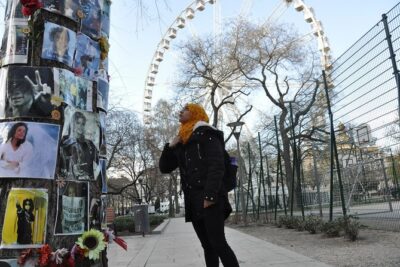
Budapest Historical Sightseeing – Free Walking Tour
Read our review →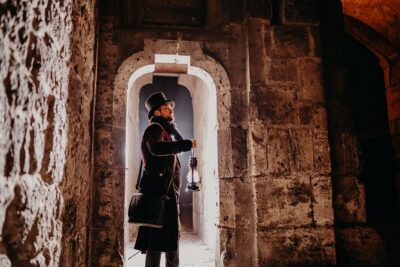
Buda Castle District Dark History, Legends and Vampire Night Tour
Read our review →
BloodThirsty Hungary: Walking tour & Dark Historical Stories
Read our review →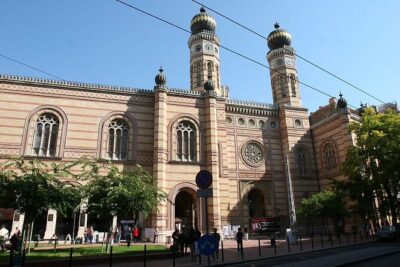
Budapest Jewish Heritage Memorial Walking Tour & Synagogue Entry
Read our review →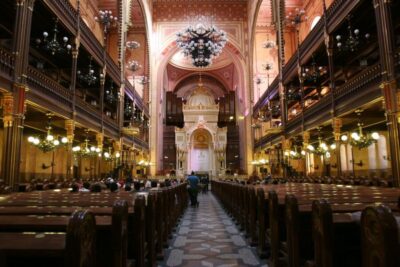
Jewish Heritage Guided Tour with Synagogue Ticket
Read our review →
Budapest Historic Downtown Bicycle Tour in small groups
Read our review →