
Reviewed · BUDAPEST
The Real Saw | Escape Room by PÁNiQ SZOBA
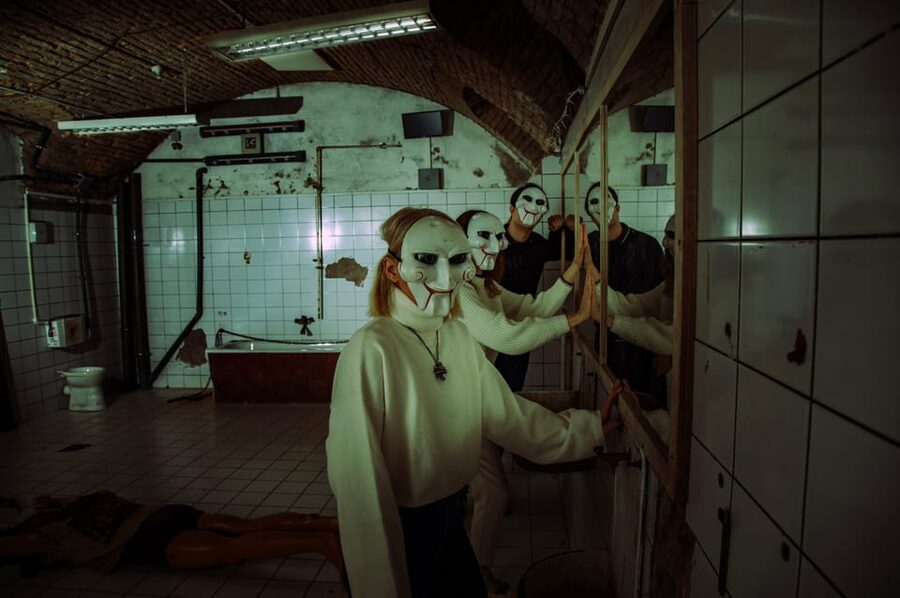
“The Real Saw” is an escape room built on the classic Saw premise: you get locked in, time starts ticking, and the room wants you to panic but still think. If you like horror aesthetics and puzzle logic at the same time, this one is a fun match for your group mood, even when the game gets nasty.
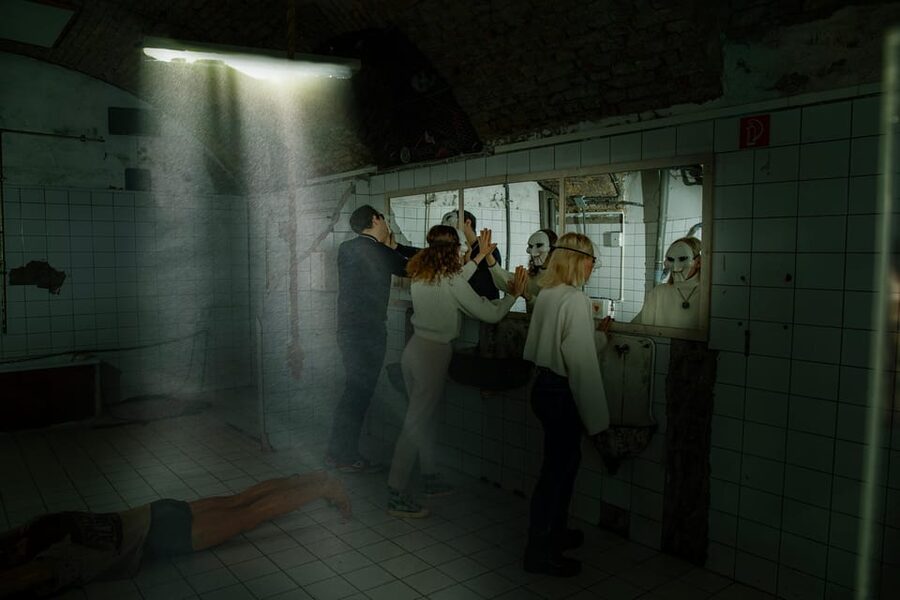
I especially like the Saw movie atmosphere and the way the setting is treated like a character. I also like that the experience is designed around teamwork and problem-solving, not lone genius behavior. One thing to consider: the room can run very dark and some puzzle setups may slow you down at the start, so bring a steady plan for sharing clues and checking locks early.
Finally, do know that this is aimed at older players. It is not suitable for children under 14, and it includes rules like no alcohol or drugs, plus no photography or audio recording inside. If your group is sensitive to horror-style tension, consider that before you book.
Key highlights to know before you go
- Saw-film theme, including the vibe of the first movie based on player notes
- 60 minutes of real time pressure, with puzzles that reward teamwork
- Atmospheric set design that makes the horror feel physical, not just decorative
- Game masters provide hints and intervention if you get stuck, though hint quality can vary
- Some mechanics can restrict movement in certain stages, which affects how you split up
- Technical quality matters, and a small number of reports mention worn or failing locks
Step into Jigsaw’s room: what “The Real Saw” really feels like
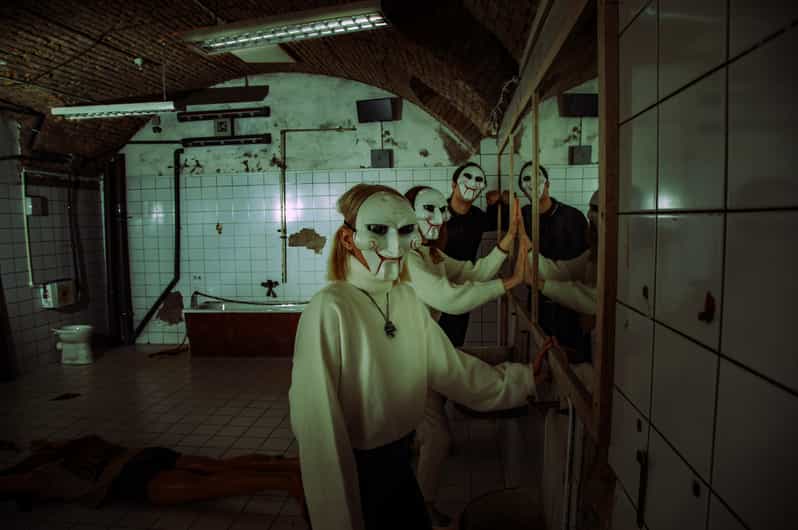
“The Real Saw” is exactly what it sounds like: a Saw-themed escape room experience where you and your team work through a chain of puzzles while the atmosphere pushes you toward fear and urgency. The point is not just jump scares. It is the mix of horror mood, mechanical tasks, and mind-bending clues that make you rely on your group.
You should expect a deliberately tense environment. Even before you reach any puzzle, you are stepping into a space designed to feel trapped and watched. That matters because escape rooms are partly about the room’s “physics,” meaning how everything nudges you to act in certain ways. Here, the setting leans hard into the horror tone, so you spend the hour thinking, listening, and reacting, not scrolling or wandering.
The theme also seems to lean toward the first Saw film for at least some versions of the experience, which gives the game a recognizable flavor. That can help first-timers, because you are not guessing what kind of horror world you are in. You mostly focus on what the room wants you to solve.
That said, darkness and equipment quality can make or break your experience. One player reported that the lighting was so low they could not see numbers on a lock, and others reported worn locks or a lock that did not function properly and required staff help. These issues do not show up in every game, but they are worth keeping in mind if your group hates delays or struggles to read tiny markings in dim light.
Other things people book in Budapest:
- Budapest: City Highlights Cruise with Welcome Drink
★ 4.6 · 35,610 reviews - Budapest: Unlimited Prosecco, Beer and Aperol Spritz Cruise
★ 4.8 · 25,310 reviews - Budapest: Széchenyi Spa Day Ticket with Optional Upgrades
★ 4.3 · 23,911 reviews
Price and value for a $23, 60-minute horror puzzle at PÁNiQ SZOBA
At about $23 per person for 60 minutes of gameplay, “The Real Saw” sits in the typical midrange for paid escape rooms, where what you pay for is the staff time, puzzle design, and set work. In other words, you are not paying for a show that lasts longer. You are paying for one focused hour where you are actively working.
Here is how I think about value for this specific room:
- You get a full experience package, not just “a few locks in a room.” You have a themed setting, puzzle access, and a professional game master plus a safety briefing.
- You are paying for group interaction. If your group communicates well and enjoys puzzles, you will likely feel the value quickly. If your group prefers passive entertainment, the price may feel steep for one hour.
- Quality consistency matters. A couple of reports mention worn locks, hints that did not help much, and equipment problems. When everything works, it is the kind of horror escape that feels memorable. When it does not, the value can dip because you lose time to issues rather than problem-solving.
So my practical recommendation is this: book it if your group is puzzle-first and can handle a slightly chaotic, horror-grade environment. If your group is very sensitive to darkness, equipment glitches, or slowdowns, be ready to ask for help early and stay patient.
Where to meet, and how to get in without wasting time
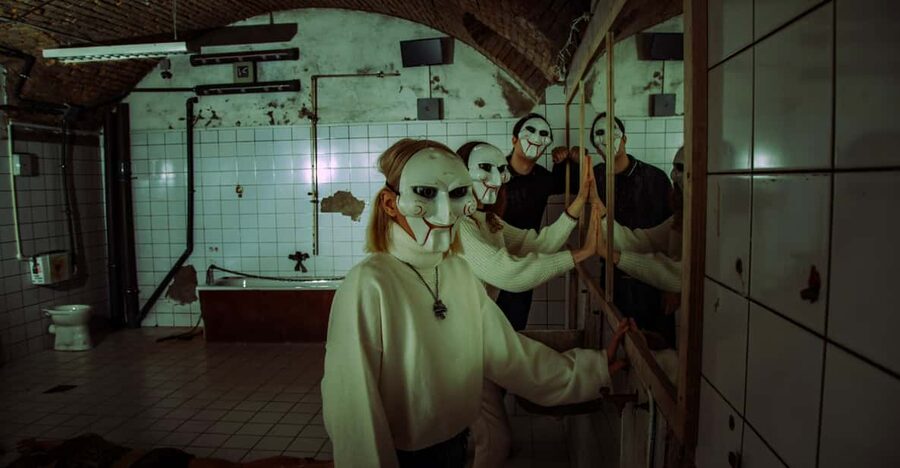
The meeting point is straightforward, and that is a good thing because escape rooms punish delays. Go to the address and look for the entrance with a white barred door. Ring the doorbell to gain access.
Why this matters: in an escape room, the first minutes set your rhythm. If you arrive confused, you start already flustered. Since the room is themed and tense, getting your bearings fast makes the whole hour easier.
Once you are inside, expect a full safety briefing and instructions before the game starts. That briefing is important here, because this is a horror-style experience with rules on what you can bring and what you cannot do during the game. It is also where you can clarify any group concerns if you think you might be sensitive to particular puzzle mechanics.
The 60-minute flow: from briefing to your final escape attempt
The whole gameplay time is 60 minutes, and you will spend most of that time either (1) solving one puzzle, then (2) using its result to open the next stage, then (3) racing against the clock.
Even though every escape room has its own rhythm, I like to mentally map the typical stages so you can keep your team organized:
1) Start and instructions
You get a safety briefing and game setup instructions from the staff. This is where you learn how to ask for assistance (if the rules allow it) and what the game master expects from your team.
2) Puzzle solving in a tense environment
Once you begin, the key to moving forward is tight collaboration. If you split tasks, do it based on who can see what, who can manipulate parts, and who can interpret clues. In one report, chains were used in a way that limited movement for some players, which slowed the group right at the beginning. That is a reminder to stay flexible: if a stage restricts motion, you may need to change your roles quickly.
3) Asking for hints when stuck
Game masters are there to guide and assist. That is a big value point because a truly stuck group can waste the full hour on one dead end. Still, one negative experience mentioned hints that referenced steps already solved, which is the kind of mismatch that causes frustration. The practical takeaway is simple: if you ask for help, phrase your request clearly. Say what you have tried and what you believe you solved, then ask what the next correct target should be.
4) The final push before time runs out
As the hour tightens, your job gets harder because you have less room for trial and error. If the room is dim, you want your team to keep checking lock placements and numbers instead of trusting memory. One report specifically called out difficulty reading numbers due to light levels, so I would treat this as a signal to slow down on any lock step and confirm what you are setting.
A different way to spend a day in Budapest:
- Budapest: Nighttime or Daytime Sightseeing Cruise
★ 4.2 · 21,062 reviews - Budapest: 1-Hour Evening Sightseeing Cruise with Drink
★ 4.5 · 8,330 reviews - Budapest Danube Cruise and Dinner Options, Live Music and Dance
★ 4.5 · 7,428 reviews - Budapest: Historic Cruise with Welcome Drink
★ 4.7 · 6,512 reviews
Puzzle design, horror atmosphere, and why teamwork is the real strategy
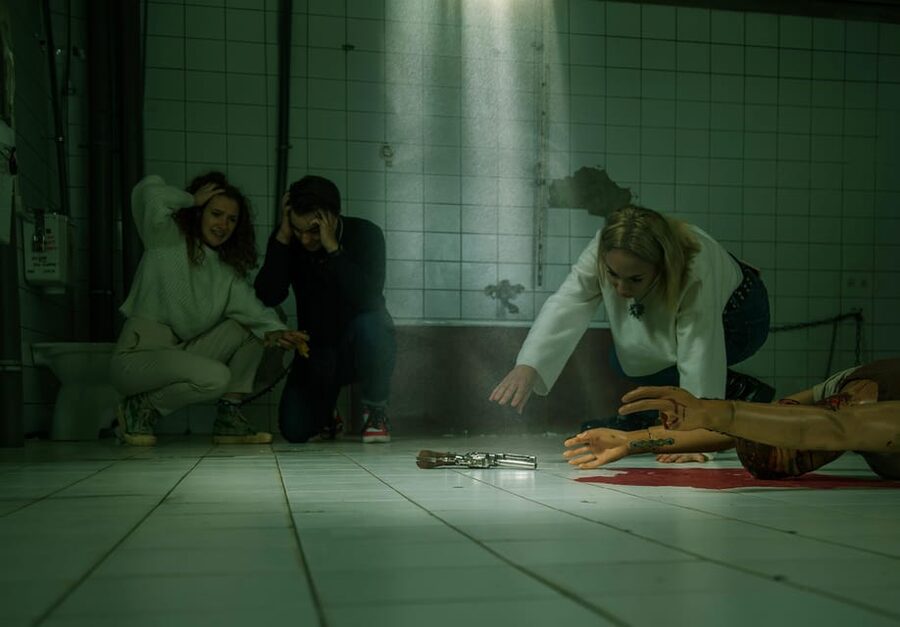
What makes “The Real Saw” work is the combination of horror tone and real puzzle mechanics. You are not just following a linear checklist. The game asks you to look for clues, interpret them, and translate that into actions that open the next part.
That is where teamwork pays off:
- One person reads, another executes. If the room is dim, you want someone assigned to visual checking and another focused on handling mechanisms.
- Communicate in plain steps. Instead of saying I think it is X, say We already solved step Y, and now we are looking for Z.
- Avoid single-person hero moments. The room is built to slow down a team that does not share findings quickly.
The horror ambiance is also part of the challenge. It can distract you, and it can make you rush. But a good team uses that energy to stay focused. One of the best-rated experiences described the room as a beautiful set, which tells me the atmosphere is not just noise. It is crafted to make you feel like you are living inside the Saw world.
For first-timers, the difficulty can surprise you. A positive note mentioned the experience was very difficult for beginners, but still beautiful and worth repeating. That is a helpful expectation-setting detail. If your team has never done an escape room, you will probably learn fast, but you should not assume it will be easy.
Practical rules that affect your gameplay (and your comfort)
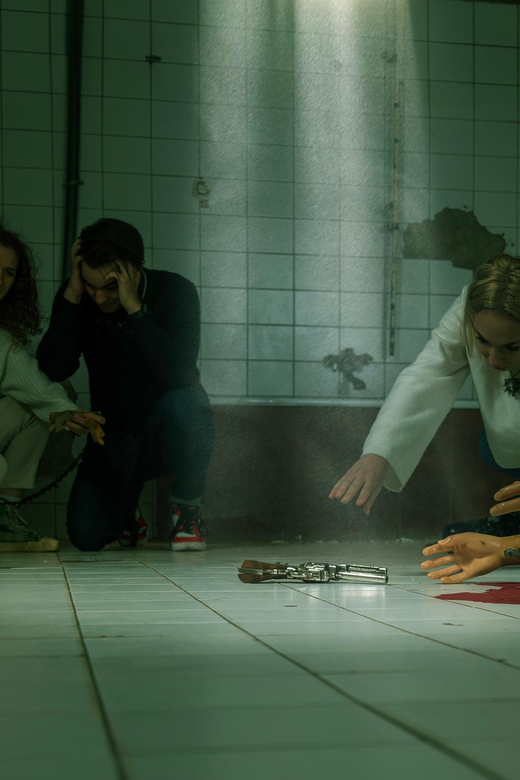
This is not a casual escape. The rules will shape your hour.
No photography inside and no audio recording means you will rely on memory and notes your team keeps in your head. That is doable, but I recommend you keep your team communication tight instead of trying to document everything.
Also, alcohol and drugs are not allowed. And the experience is not suitable for children under 14. If you are bringing a mixed-age group, this is the single biggest boundary to check.
One more comfort factor deserves mention. A negative report described an equipment issue involving a stethoscope and an ear plug that caused an ear injury. I cannot generalize that to every session, but it does highlight something important: if anything feels unsafe or uncomfortably sharp, tell your game master immediately. The safety briefing is there for a reason, and staff are the right people to adjust or swap equipment.
When things go wrong: what the negative notes teach you
A couple of bookings were not happy with the experience, and their complaints are specific enough that you can adjust your approach.
Here are the main patterns from those reports, and how you can respond:
- Lighting can be too dark. If your team struggles to read numbers, ask for help sooner rather than later. Waiting too long turns a solvable step into a time sink.
- Some locks may be worn or fail. If a mechanism does not respond correctly, do not force it for a long time. Signal the game master and move on to other tasks if possible.
- Some hinting may miss your current progress. If staff hints do not map to where you are, push back with clear context. Hints should help you take your next step, not replay old work.
- Chains or movement limits may slow part of the game. If your group hates feeling restricted, this is a concern. Consider assigning roles so the team can still function even if someone cannot explore freely.
- One reported puzzle stage turned out to be more like a leftover object. You might find unexpected elements that are not exactly what you guessed. When that happens, treat it as information, not a reason to panic.
Most bookings were positive, with a 4.1 rating across 10 reviews, and several praised the set design and the welcoming team. But the negative notes are useful because they tell you where to be cautious: reading locks in low light, expecting occasional equipment quirks, and staying calm if you need staff intervention.
Who should book this escape room, and who might want a different vibe
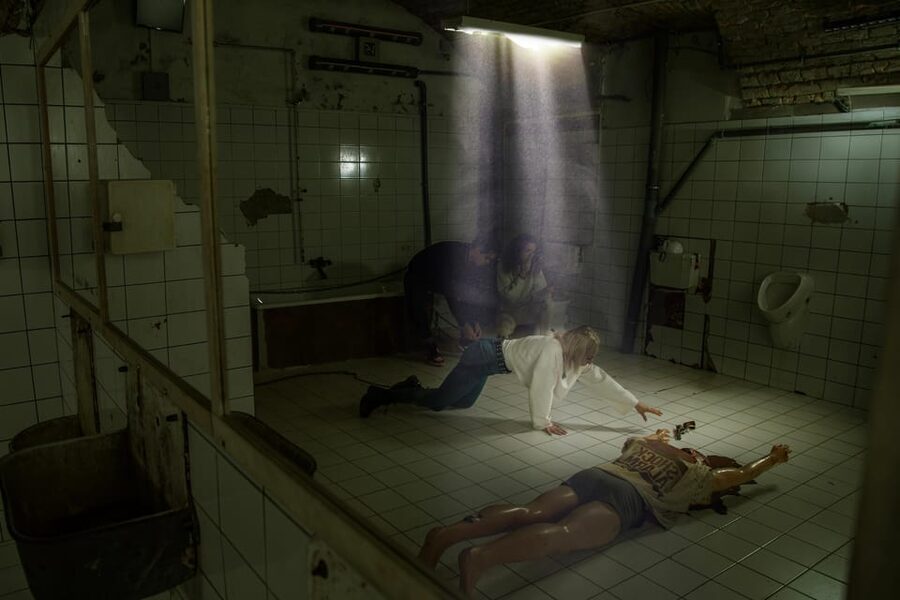
This room is best for groups that want horror tension plus puzzle work.
You will probably enjoy it if:
- your group likes horror and wants to feel the atmosphere (not just solve puzzles in silence)
- you enjoy planning and teamwork under time pressure
- you have done escape rooms before, or you like learning quickly even if it is challenging
- you want a recognizable Saw-style world, not an abstract theme
You might want to skip or adjust your expectations if:
- your group hates dim rooms or struggles with reading small lock details
- you prefer experiences with smooth, technical perfection and no interruptions
- anyone in your group is uncomfortable with movement restrictions in certain stages
- you have very young teens, since it is not suitable under 14
Also, if your group is the type that gets frustrated by delays, you may want to go in with a calm agreement: if something fails, you communicate and regroup. That mindset turns a frustrating moment into a solvable one.
Booking and logistics in one minute: keep your slot planned
You need to book a time slot. The experience provider states opening hours depend on advance reservations, and all participants must book through their website after purchasing tickets to keep things smooth for your group. Availability can change, so booking early is smart.
When you arrive, use the barred-door entrance and ring the doorbell. Gameplay is 60 minutes, and the staff is available in Hungarian and English. It is also listed as a private group, so your team gets a more focused experience than a mixed crowd situation.
Should you book The Real Saw at PÁNiQ SZOBA?
Book it if you want a horror-themed escape room with a real sense of Saw mood, strong teamwork energy, and puzzles that can challenge even newer players. At $23 for 60 minutes, it is good value for groups who treat it like a team sport.
Don’t book it if your group is very sensitive to dim lighting, equipment quirks, or any mechanics that could feel restrictive. Also, if you are traveling with kids under 14, this one is the wrong fit.
My decision rule is simple: if your group enjoys puzzles, can communicate clearly, and wants an hour where the room tries to scare you into thinking, you will likely have a memorable time.
FAQ
How long is The Real Saw escape room experience?
It includes 60 minutes of gameplay.
How much does it cost?
The price is listed as $23 per person.
Where do we meet at PÁNiQ SZOBA?
Go to the entrance with a white barred door, and ring the doorbell upon arrival to gain access.
What languages are offered during the game?
The instructor/game master is listed as Hungarian and English.
Is it suitable for children?
No. It is not suitable for children under 14.
Are we allowed to take photos or record audio inside?
No. Photography inside and audio recording are not allowed.
What is the cancellation and payment flexibility?
The experience offers free cancellation up to 24 hours in advance for a full refund, and there is also a reserve now, pay later option.
Recently reviewed around Budapest
- Panoramic hike around Budapest★ 5.0 · 14 reviews
- PRIVATE (7 hours) Budapest and Szentendre city tour with lunch and winetasting★ 5.0 · 4 reviews
- Original Budapest Walking Tour★ 4.0 · 39 reviews
- Budapest Highlights Self guided scavenger hunt and Walking Tour★ 5.0 · 5 reviews
- Hungarian Gastro Cellar: Assisted Tasting Options★ 4.5 · 5 reviews
- Original Budapest Alternative Street Art & Jewish Tour★ 4.5 · 14 reviews
- Bratislava, one day private trip from Budapest with guide!★ 5.0 · 4 reviews
- One hour Hen or Stag private party boat Budapest with unlimited beer and wine★ 3.5 · 6 reviews